Why We Insulate Before We Install a Heat Pump
Editor's note (October 2026): Efficiency Maine changed its insulation and air sealing rebates for work completed on or after October 1, 2026. They are now a fixed amount per zone of the house (attic, walls, basement) instead of a percentage of project cost, so the insulation rebate figures, combined totals, and cost examples below reflect the program when this article was published. See current Efficiency Maine rebates.
Editor's note (March 2026): Rebate amounts referenced in this article are approximate and income-dependent. See current Efficiency Maine rebates for details specific to your household.
We see this pattern often: a two-year-old cold-climate heat pump system that cannot keep up on nights below 10 degrees. Bedrooms cold. Outdoor units running at maximum capacity. The heating system working harder than anyone expected.
When we inspect these homes, the answer is obvious within ten minutes. The attic has four inches of blown insulation - roughly R-13. The rim joists are open. Air is pouring out through gaps around every wire and pipe penetration. The cold-climate heat pumps are not the problem. They are fine equipment, properly installed. But they were sized for a home that loses heat as fast as the system can produce it.
This is the situation we see more than any other at Horizon Homes, and after 20+ years of working on homes across Greater Portland, it has shaped how we approach every project: the envelope comes first.
The Sequencing Problem
Many homeowners come to us wanting a cold-climate heat pump. They have heard the benefits, they are tired of oil prices, and they want to make the switch. We get it. Cold-climate heat pumps are the most efficient heating technology available for Maine homes, and we install them regularly.
But here is what we tell every homeowner during the energy assessment: installing a cold-climate heat pump into a poorly insulated home is like putting a high-performance engine in a car with bald tires. The engine is great. The system does not perform.
The reason comes down to heating load.
What Is Heating Load?
Heating load is the amount of heat your home loses on the coldest day of the year. It is measured in BTUs per hour, and it determines what size heating system you need. Every legitimate cold-climate heat pump installation starts with a Manual J load calculation that accounts for your home's insulation, air tightness, window area, orientation, and Maine's design temperature (typically -5 to -10 degrees F for the Portland area).
A well-insulated, air-sealed 1,800-square-foot home in South Portland might have a heating load of 30,000 to 36,000 BTU/h. That same home with thin insulation and a leaky envelope might have a heating load of 55,000 to 65,000 BTU/h.
That is not a small difference. It is the difference between a two-head system and a four-head system. It is the difference between a $12,000 installation and a $20,000 installation. And it determines whether your cold-climate heat pump can handle the coldest nights on its own or whether it will need backup heat.
What Happens When You Skip the Envelope
We have seen the consequences of "heat pump first" installations across hundreds of homes. The patterns repeat.
Oversized Equipment
When a contractor sizes a cold-climate heat pump for a leaky home, they have to account for all that heat loss. The system needs to be large enough to handle the worst-case scenario. The result is equipment that is bigger (and more expensive) than the home would need if the envelope were addressed first.
Oversized cold-climate heat pumps create their own problems. They short-cycle, turning on and off frequently instead of running steadily at low output. Short-cycling wastes energy, creates uneven temperatures, and accelerates wear on the compressor. A right-sized system running at steady, low output is more efficient, more comfortable, and lasts longer.
Insufficient Capacity on the Coldest Days
The flip side is worse. Some contractors size the cold-climate heat pump for the home's average load rather than the peak load, especially when budget is tight. The system works fine in October and April. In January, when temperatures drop below zero and the home's heat loss spikes, the system cannot keep up. The homeowner ends up running backup heat - oil, propane, or electric resistance - at the worst possible time, when energy costs are highest.
This is the situation we described at the top of this article. The system was sized for a moderate load. On the coldest nights, the actual load exceeded the system's capacity by 30-40%.
Locked-In Costs
Here is the part that matters most for your budget. If you install a cold-climate heat pump first and insulate later, you have already paid for a larger system than you needed. You cannot un-install the extra indoor heads or swap for a smaller outdoor unit. The money is spent.
If you insulate first, the cold-climate heat pump is right-sized from the start. You spend less on equipment and reduce the home's heating load. In a hybrid setup, the boiler remains the primary heat source, with the cold-climate heat pump providing cooling and supplemental heat.
A Real Project: The Right Sequence
Last fall, we completed a full project on a 1960s Colonial in Cape Elizabeth. The home was heated with an oil boiler, and the goal was to move to cold-climate heat pumps. Here is how we approached it.
Phase 1: Assessment
Our advisor spent two hours in the home, checking every level. The attic had R-15 of blown insulation and no air sealing. The walls had sparse, settled batt insulation. The rim joists were uninsulated. We estimated her heating load at approximately 58,000 BTU/h. A cold-climate heat pump system to cover that load would have required four indoor units and two outdoor units, costing roughly $18,000 to $22,000.
Phase 2: Envelope First
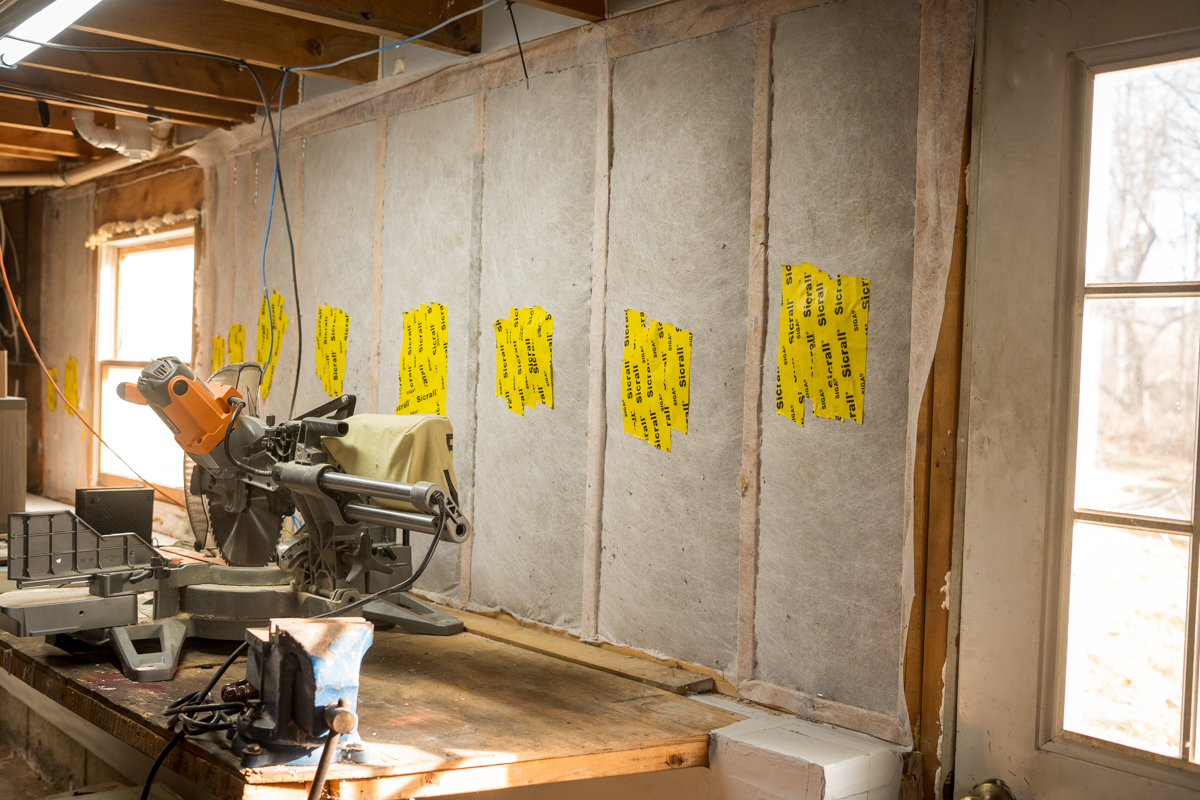
We started with air sealing the attic - closing every penetration around wires, pipes, and top plates. Then we blew in cellulose to R-50. We sealed and insulated the rim joists with polyiso rigid foam. Total cost for the envelope work: $7,800 before rebates.
Phase 3: Right-Sized Heat Pump
After the envelope improvements, we recalculated the heating load: 34,000 BTU/h, a 41% reduction. That meant the home could be served by a two-zone cold-climate heat pump system with a single outdoor unit. Cost: $11,500 before rebates.
The Comparison
| Detail | Heat Pump Only | Insulate First |
|---|---|---|
| Envelope work | $0 | $7,800 |
| Cold-climate heat pump | $20,000 | $11,500 |
| Total before rebates | $20,000 | $19,300 |
| Efficiency Maine rebates | ~$4,000 | ~$8,000 |
| Net cost | ~$16,000 | ~$11,300 |
| Annual heating cost | ~$2,400 | ~$1,200 |
The insulate-first approach cost $4,700 less out of pocket and saves $1,200 per year in operating costs. The cold-climate heat pump system is smaller, quieter, and will last longer because it runs at steady output instead of cycling between extremes.
This is not a one-off result. It is the pattern we see in project after project.
How This Differs from the Whole-Home Approach
We wrote a detailed post on the whole-home approach to energy improvements that covers how insulation, air sealing, cold-climate heat pumps, and ventilation all work together as a system. If you want to understand the full picture, that post lays it out.
This article focuses on one specific decision: the sequencing of insulation versus cold-climate heat pump installation. The whole-home approach explains why the house is a system. This post explains why the order you address that system matters for your budget and your comfort.
The short version: insulating first reduces your heating load, which lets you buy a smaller cold-climate heat pump, which costs less upfront and operates more efficiently for the life of the equipment. It also qualifies you for additional rebates on the envelope work, further reducing your total investment.
What If You Already Have a Heat Pump?
If you installed a cold-climate heat pump before insulating, you are not stuck. Adding insulation and air sealing will still reduce your heating costs, improve comfort, and extend the life of your equipment by reducing how hard it needs to work. You will not capture the equipment-sizing savings, but you will see lower operating costs immediately.
We work with homeowners in this situation regularly. The energy assessment identifies what envelope improvements would make the biggest difference for your specific home, and we can phase the work to fit your budget.
Start With the Assessment
Whether you are planning a cold-climate heat pump installation, thinking about insulation, or wondering why your current system is not keeping up, the right first step is the same: understand your home.
A free energy assessment from Horizon Homes is a 1-3 hour visual walkthrough. Our advisor evaluates your insulation, air sealing, heating system, and ventilation to build a complete picture. From there, we map out the most cost-effective sequence of improvements for your home and budget.
As a Top-Rated Efficiency Maine Vendor for 10+ years, we handle the rebate process so you get every dollar you qualify for.
Schedule Your Free Energy Assessment
Or call us at (207) 221-3221. We serve the entire Greater Portland area, from Brunswick to Kennebunk, and we have been helping Maine homeowners get the most from their energy investments since 2006.
Find our guides faster: add Horizon Homes as a preferred source on Google.
Free Home Energy Assessment
Ready to Lower Your Energy Bills?
We identify the improvements that will have the biggest impact on your home's energy use, with clear pricing and rebate estimates.
- Free walkthrough, no equipment, no disruption
- Efficiency Maine rebates identified for you
- Written improvement plan with pricing
Schedule Your Free Assessment
We call within 1 business day.