What Is a Building Envelope and Why It Matters
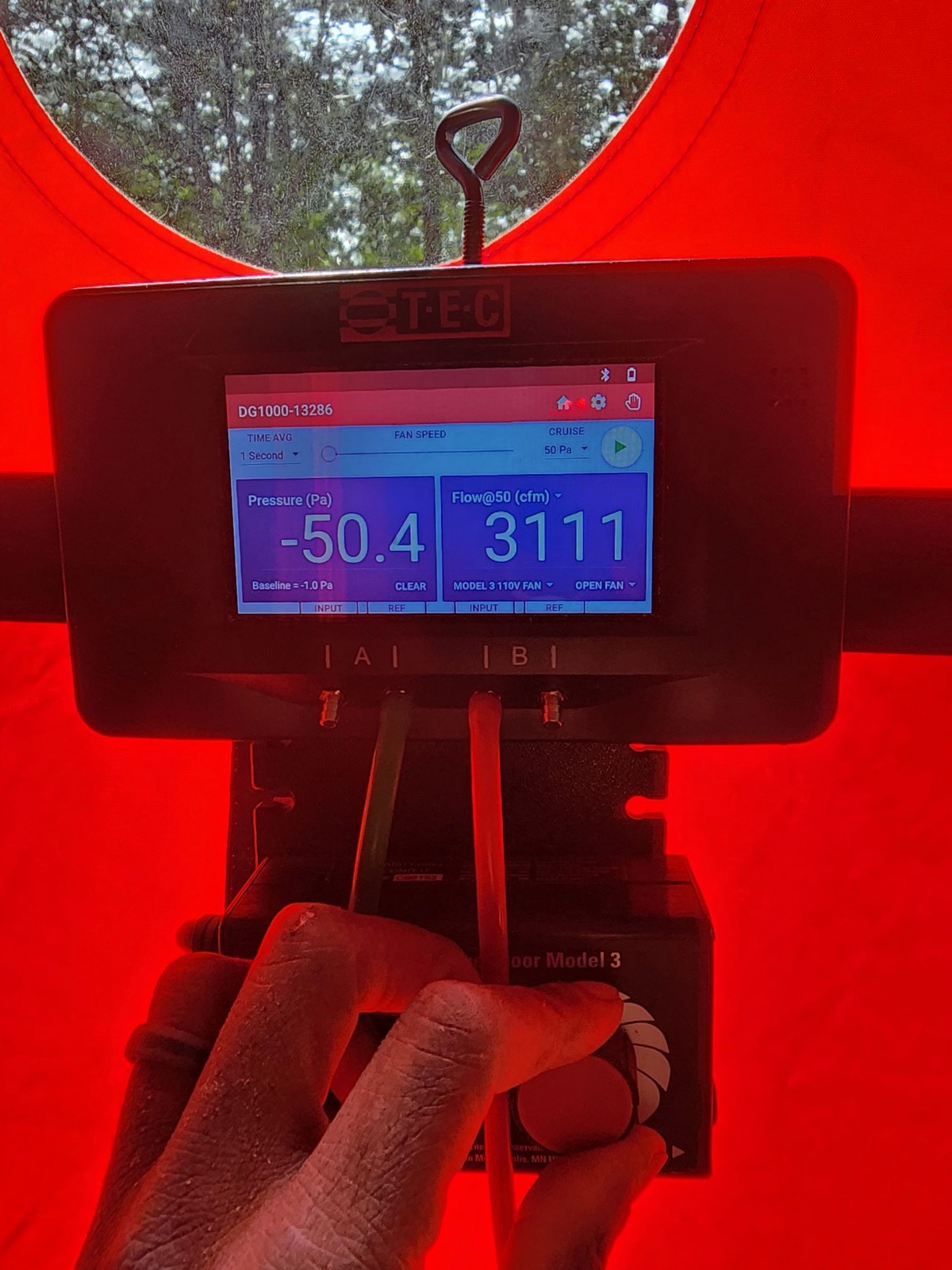
You know the feeling. It is February, the thermostat reads 68, but the living room feels like 58. You put on a sweater, crank the heat, and watch your oil tank drain faster than it should. The furnace is working. The windows are closed. But something is wrong.
That "something" is almost always your building envelope.
Your Home's Invisible Shell
The building envelope is the physical barrier between the inside of your home and the outside. It includes your roof, walls, foundation, windows, and doors. Every surface that separates heated living space from the outdoors (or from unconditioned spaces like an attic or garage) is part of the envelope.
Think of it as your home's skin. When that skin has holes, thin spots, or missing sections, the inside of your home is exposed to whatever is happening outside. Cold air gets in. Warm air escapes. Moisture migrates where it should not. And your heating system works overtime trying to compensate.
Understanding your building envelope is the foundation for making smart decisions about insulation, air sealing, and heating upgrades. Every energy improvement you make to your home is either fixing the envelope or working within it.
The Two Jobs of a Building Envelope
Your building envelope has two distinct functions, and both need to be working for your home to be comfortable and efficient.
Job 1: Stop Heat From Moving Through Materials
This is what insulation does. Heat naturally flows from warm areas to cold areas. In winter, heat moves from your living space through your walls, ceiling, and floors toward the colder outdoors. In summer, heat moves from the hot outdoors into your air-conditioned rooms.
Insulation slows that transfer. The more insulation you have (measured by R-value), the slower heat moves through a given surface. An attic with R-49 insulation loses heat much more slowly than one with R-11.
In older Maine homes, especially those built in the 1940's through 1970's, it is common to find attics with far less insulation than current standards recommend. Some walls have no insulation at all. These thin spots in the envelope are where heat escapes fastest.
Job 2: Stop Air From Moving Through Gaps
This is what air sealing does, and it is often the more important of the two jobs.
Even a well-insulated wall loses energy if air can bypass the insulation through cracks and gaps. Warm air physically moves through holes in the envelope, carrying heat (and moisture) with it. This is called air infiltration, and it accounts for 25-40% of heating and cooling energy loss in a typical home according to the Department of Energy.
Common air leakage points include:
- Attic floor penetrations where wires, pipes, and ductwork pass through the ceiling
- Recessed lighting fixtures (older can lights are often open to the attic)
- The attic hatch or pull-down stairs (rarely sealed or insulated)
- Rim joists where the floor framing meets the foundation
- Electrical outlets and switches on exterior walls
- Plumbing and wiring penetrations through floors, walls, and ceilings
- Gaps around chimneys and flues where they pass through the ceiling
These gaps are often invisible from inside your living space. You cannot see a half-inch gap around a wire running through your attic floor, but hundreds of those small gaps add up to the equivalent of leaving a window open all winter.
Stack Effect: Why Warm Air Escapes Through Your Attic
One of the most important concepts in building science is the stack effect. It explains why so many comfort problems in Maine homes trace back to the attic, even when the problems are felt on the first floor.
Here is how it works. Warm air is lighter than cold air, so it naturally rises. In a house with air leaks in the ceiling, warm air rises into the attic through every gap and crack it can find. As that warm air leaves through the top of the house, it creates a slight negative pressure at the bottom. That negative pressure pulls cold outside air in through gaps at the lower levels - around basement rim joists, first-floor outlets, and yes, around windows and doors.
This is why so many homeowners think they have a "drafty window" problem. The draft near the window is real, but it is a symptom of air escaping through the attic, not a problem with the window itself. Replacing windows in a home with a leaky attic rarely fixes the comfort problem. Sealing and insulating the attic often does.
For more on this, see our post on why your windows might not be the problem.
How to Tell If Your Envelope Has Problems
You do not need specialized equipment to spot many building envelope issues. Here are common signs:
Temperature Differences Between Rooms
If some rooms are comfortable and others are not, the envelope in those areas is likely underperforming. A cold bedroom above a warm living room often means the walls or attic above that room have less insulation or more air leakage.
Drafts Near Exterior Walls
Hold your hand near an exterior wall, electrical outlet, or window frame on a cold day. If you feel air movement, that is air infiltration through the envelope.
Ice Dams on the Roof
Ice dams form when heat escapes through the attic, melting snow on the roof. The water runs down to the cold eave and refreezes, creating a dam that backs water under the shingles. Ice dams are a direct indicator of envelope problems in the attic - inadequate insulation, air leakage, or both.
High Heating Bills
If your home uses more energy than similar-sized homes in your area, the envelope is a likely cause. A home with a well-sealed, well-insulated envelope needs less energy to maintain comfortable temperatures.
Moisture or Mold in the Attic
Warm, moist air from your living space leaking into a cold attic can condense on roof sheathing, leading to moisture damage, mold growth, and wood rot. This is an envelope air sealing problem, not a ventilation problem, in most cases.
Schedule a free energy assessment and we will walk through your home to identify where your building envelope is letting you down.
The Whole-Home Connection
Here is why understanding the building envelope matters for every energy decision you make: every improvement to your home is either fixing the envelope, adding to it, or operating within it.
Insulation + Air Sealing = The Envelope Fix
These two work as a team. Insulation without air sealing leaves gaps where air bypasses the insulation. Air sealing without insulation means heat still conducts through thin walls and ceilings. The biggest energy improvements come from doing both at the same time.
A typical Maine home sees a 20-40% reduction in energy costs after thorough air sealing and insulation work. That adds up to real savings, especially with heating oil prices where they are.
Heat Pumps and the Envelope
If you are considering cold-climate heat pumps, envelope condition directly affects system sizing and performance. A tight, well-insulated home needs a smaller heat pump to stay comfortable. A leaky, poorly insulated home needs a larger system that works harder and costs more to operate.
This is why the sequence matters: fix the envelope first, then right-size the heating system. At Horizon Homes, we recommend this approach because it leads to better results and lower total project costs. A smaller heat pump on a well-insulated home outperforms a larger heat pump on a leaky one.
Ventilation and Tight Envelopes
One reasonable concern about tightening a home's envelope is indoor air quality. In a well-sealed home, you need controlled ventilation to bring in fresh air and remove moisture and pollutants. This is a real consideration and part of any responsible energy improvement plan.
The good news is that controlled ventilation (through an energy recovery ventilator or heat recovery ventilator) is far more efficient than the uncontrolled air leakage in a drafty house. You get fresh air where you want it, when you want it, without losing the heat you paid for.
The Envelope Is Where It All Starts
Every energy improvement conversation starts with the building envelope. Whether you are trying to reduce heating bills, eliminate drafts, prevent ice dams, or prepare for a heat pump installation, the envelope is the foundation.
Fixing the envelope first is not the flashy choice. A new heat pump looks impressive on the side of your house. New insulation behind the drywall is invisible. But the envelope is what determines whether all those other investments deliver on their promise.
See Where Your Envelope Stands
A walkthrough of your home can identify the biggest envelope opportunities in about an hour. We look at insulation levels, common air leakage points, and overall building condition to give you a clear picture of where your home stands and what improvements would make the biggest difference.
Schedule your free energy assessment or call us at (207) 221-3221. We will show you exactly where your building envelope is working and where it is not - no cost, no obligation.
Find our guides faster: add Horizon Homes as a preferred source on Google.
Free Home Energy Assessment
Ready to Lower Your Energy Bills?
We identify the improvements that will have the biggest impact on your home's energy use, with clear pricing and rebate estimates.
- Free walkthrough, no equipment, no disruption
- Efficiency Maine rebates identified for you
- Written improvement plan with pricing
Schedule Your Free Assessment
We call within 1 business day.