When to Install a Heat Pump in Maine: Timing Your Project Right
Editor's note (October 2026): Efficiency Maine changed its insulation and air sealing rebates for work completed on or after October 1, 2026. They are now a fixed amount per zone of the house (attic, walls, basement) instead of a percentage of project cost, so the insulation rebate figures, combined totals, and cost examples below reflect the program when this article was published. See current Efficiency Maine rebates.
Editor's note (September 2026): Rebate amounts in this article are income-dependent and reflect Efficiency Maine's current program. See current rebates.
There is a rhythm to how Maine homeowners buy heat pumps, and it works against them. Every June, the calls pick up as the first warm weekend arrives and people who spent the winter thinking about cooling finally decide to act. By then, most contractors are booked four to six weeks out, so a June decision means a July or August install.
The same thing happens in reverse each fall. The first cold snap hits in October, everyone wants a heat pump in before Thanksgiving, and the wait stretches into December, right when you need the heat.
The answer to "when should I install a heat pump in Maine?" is simple: the season before you need it. Plan in late winter or early spring for summer cooling. Plan in late summer or early fall to be ready for the heating season. Both shoulder seasons give you mild weather to work in, shorter wait times, and room to do the envelope work first. If you're considering a cold-climate heat pump for your home, here is how to time it.
The Installation Timeline: Plan One Season Ahead
Heat pump installation is not an overnight decision, and it shouldn't be. A good project involves several steps, each with its own timeline. Here is a realistic schedule, whether you're aiming for summer cooling or heating-season readiness:
Weeks 1-2: Assessment and Evaluation
Everything starts with a free energy assessment. This is a visual walkthrough of your home where we look at your insulation, air sealing, current heating system, and comfort issues. The assessment takes about an hour, and you'll get a clear picture of what your home needs.
During the assessment, we're evaluating your home as a system. The most important question isn't "where should the heat pumps go?" It's "what does the building envelope look like?" A well-insulated, tight home needs a smaller heat pump system, runs more efficiently, and delivers better comfort. A home with a leaky envelope and thin insulation will struggle with any heating system.
In the quiet shoulder seasons, roughly March through April and again in late summer, assessment wait times are typically one to two weeks. In the June and October rushes, that stretches to three or four.
Weeks 2-4: Proposal and Planning
After the assessment, we put together a detailed proposal. This includes:
- Recommended scope of work (envelope improvements, heat pump system, or both)
- Equipment specifications and placement
- Cost breakdown with Efficiency Maine rebate estimates
- Financing options through Efficiency Maine Green Bank (starting at 0% APR)
Most homeowners take a week or two to review the proposal, ask questions, and make decisions. This is the right approach - there's no reason to rush.
Weeks 4-8: Envelope Work First (If Needed)
If your home needs insulation or air sealing work, we do that before installing heat pumps. This is the whole-home approach and it's how we do every project.
The reason is simple: insulating first reduces your home's heating load. That means we can install a smaller heat pump system that costs less and performs better. Skipping the envelope work and going straight to equipment is one of the most common mistakes we see, and it's one that homeowners pay for every month in higher operating costs.
Typical insulation and air sealing work takes three to five days on-site.
Weeks 6-10: Heat Pump Installation
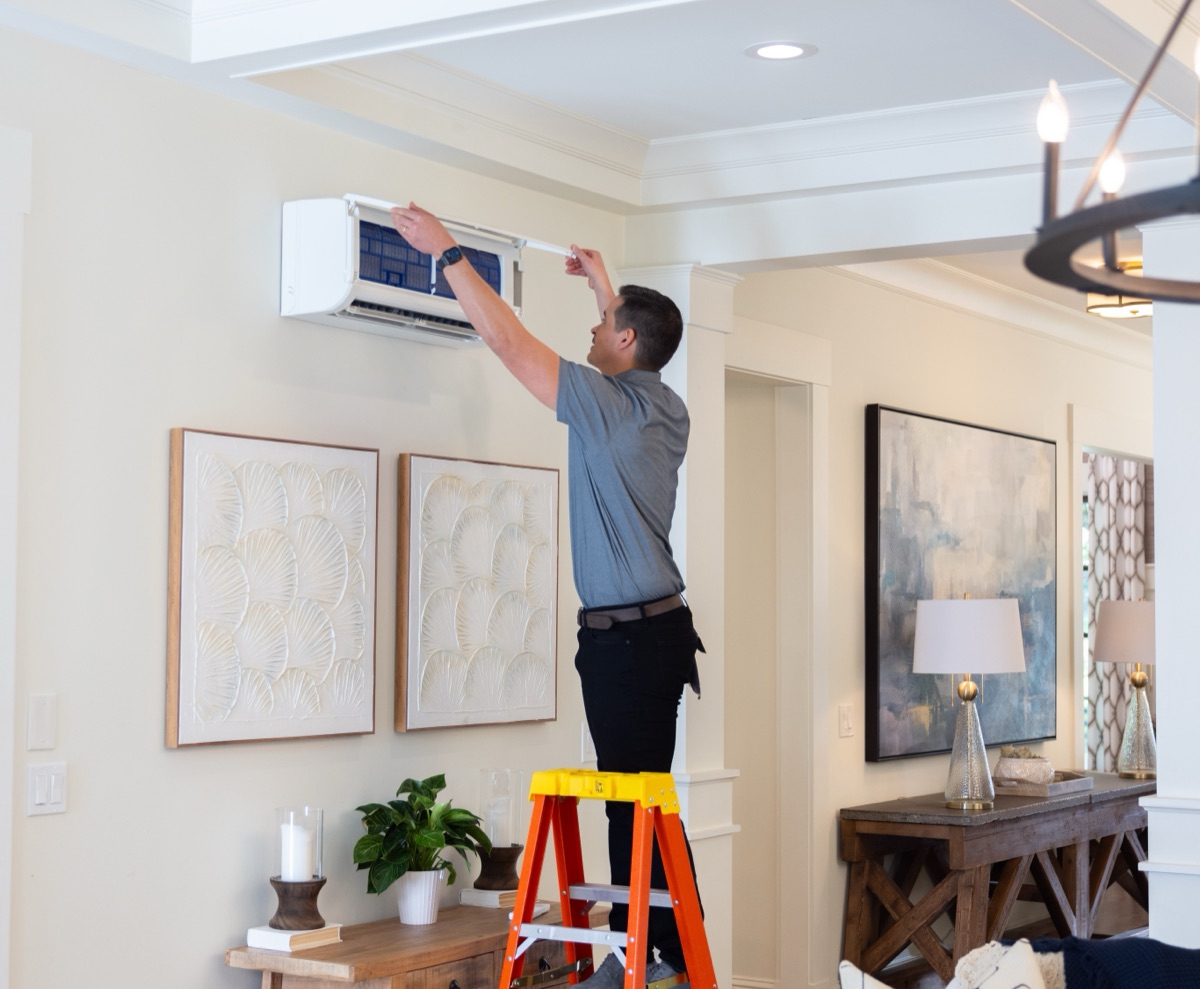
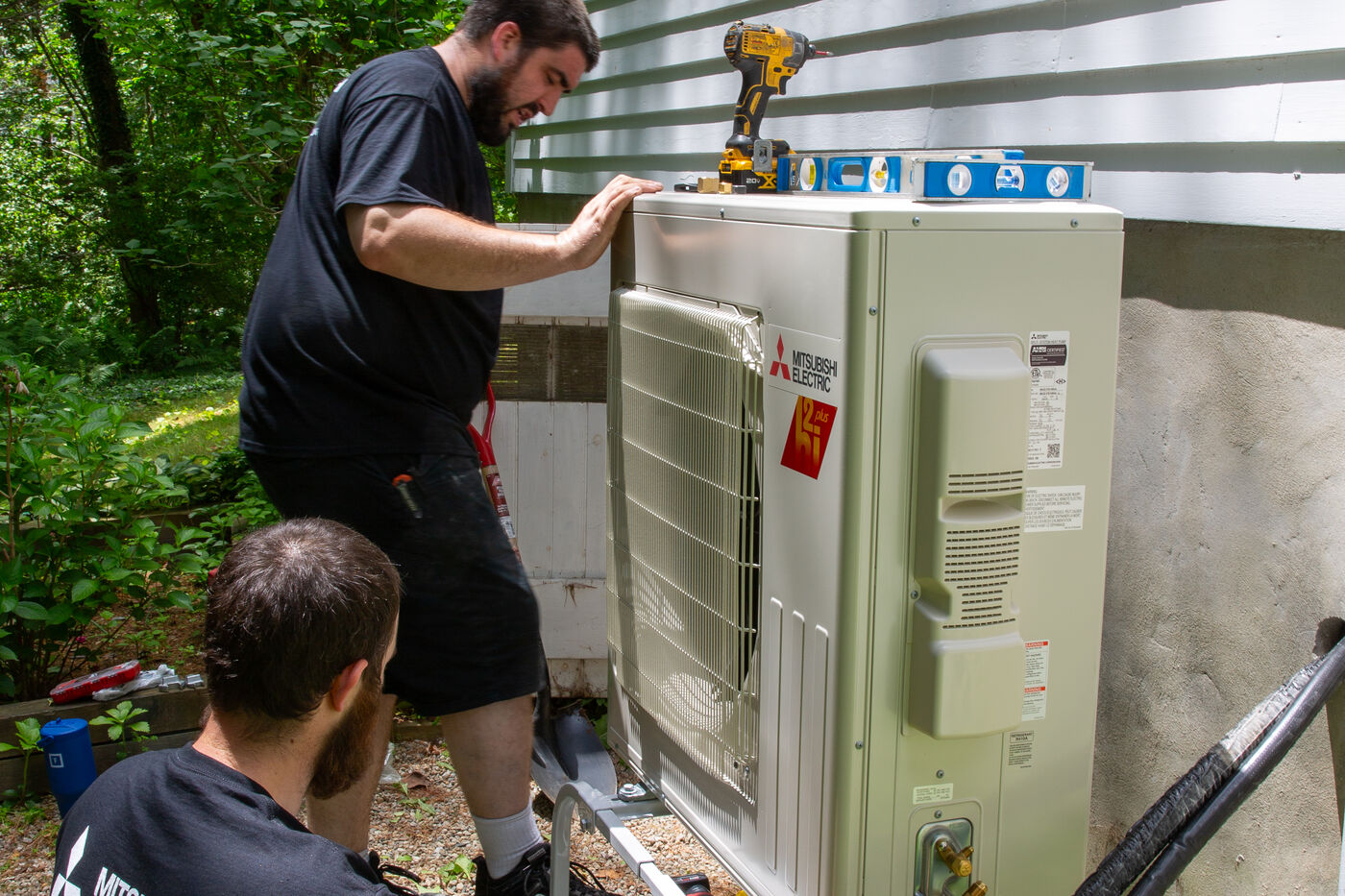
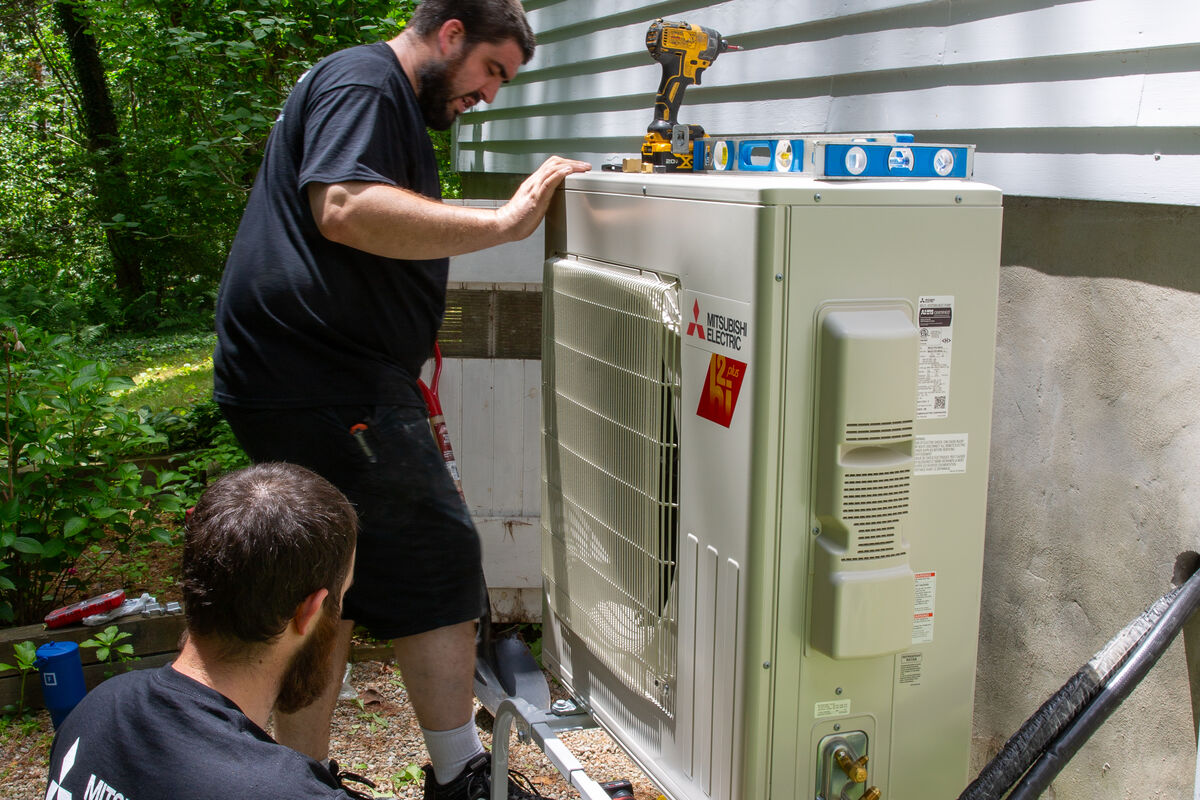
The installation itself is faster than most people expect. A standard two or three-head mini-split system takes one to two days. The outdoor unit gets mounted on a wall bracket or ground stand, refrigerant lines are run to the indoor heads, and electrical connections are made. Indoor heads mount on walls or ceilings.
Installing in a shoulder season has an added benefit: the system can be commissioned and tested in mild weather, so your installer can verify performance before you lean on it for a July heat wave or a January cold snap.
Weeks 8-14: Rebate Processing
Efficiency Maine rebates are applied directly to your invoice by the contractor, so you don't wait for a reimbursement check. But the processing on the back end takes time, and getting your project completed before the seasonal rush keeps your paperwork out of the busiest application windows.
Under the 2026 program, Efficiency Maine heat pump rebates run $1,000 to $3,000 per outdoor unit depending on household income, up to three units. A whole-home project that pairs a heat pump with weatherization adds a $500 bonus on claims postmarked through December 31, 2026, and can combine with insulation rebates of up to $8,600 per home. The total incentive package can be substantial.
Ready to start the process? Schedule a free energy assessment and get ahead of the next seasonal rush.
Fall: Getting Ready for Heating Season
If cooling isn't your driver, the late-summer-into-fall window is the one to aim for. A heat pump installed in September or early October is commissioned, tested, and carrying load before the first hard freeze, which is exactly when a rushed December install leaves you waiting in the cold.
Fall is also the right time to pair the heat pump with envelope work. Sealing attic bypasses and topping up insulation before the heating season means the heat pump you size in the fall is sized for a tighter house, so it runs less and costs less all winter. The insulate-first approach pays off most on the coldest nights, and those are the nights a fall project is built to handle.
One practical note for fall: the $500 Efficiency Maine whole-home bonus runs on claims postmarked through December 31, 2026. A fall install gives your contractor time to complete the work and submit the paperwork inside that window, rather than racing the deadline in late December.
The Insulate-First Approach
We talk about this in every assessment because it matters that much. If your home has inadequate insulation or significant air leakage, installing heat pumps without addressing the envelope is like buying a fuel-efficient car and driving it with the windows open.
Here's what happens in practice:
- Without envelope work: A poorly insulated 1,800 square foot Cape Cod might need a three or four-head system to maintain comfort. The units run harder and longer, especially on cold nights. Operating costs are higher than they should be, and some rooms may still feel cold.
- With envelope work first: The same home, after air sealing and insulation, might only need two heads. The system runs efficiently because the home holds heat better. Every room is more comfortable. And the upfront equipment cost is lower.
At Horizon Homes, we handle both the envelope and the heat pump installation. That means one contractor, one plan, and one project. The insulation crew and the heat pump crew coordinate the work so there's no wasted time.
What About My Existing Heating System?
One of the most common questions we hear: "Do I have to rip out my boiler?"
The short answer is no. In a hybrid system, your boiler remains the primary heat source. Cold-climate heat pumps add cooling and supplemental heat.
The hybrid approach works like this:
- Cold-climate heat pumps provide supplemental heat in selected rooms during the heating season
- The existing boiler or furnace provides primary heat through the existing distribution system
- Heat pumps provide cooling in summer, which your boiler never could
A later move to a fully electric system is a separate design decision that requires sizing for the full heating load. While both systems operate as a hybrid, the boiler remains primary.
If your existing boiler is reaching end of life, you might also consider a high-efficiency condensing boiler for primary heat, paired with cold-climate heat pumps for cooling and supplemental heat.
Choosing the Right Contractor
Not all heat pump installations are equal. Here's what to look for when evaluating contractors:
Whole-home evaluation, not just equipment sizing
A contractor who walks into your house and immediately starts talking about where to put the heads, without looking at your attic, basement, or insulation, is skipping the most important part of the process. The envelope assessment should come first.
Efficiency Maine registered and experienced
Efficiency Maine maintains a list of registered vendors who can process rebates. Working with a registered vendor means your rebates are applied directly to the invoice. At Horizon Homes, we've been an Efficiency Maine Top-Rated Vendor for 10+ years.
Cold-climate rated equipment
This matters in Maine. Standard heat pumps lose capacity at low temperatures. Cold-climate units, like the Mitsubishi Hyper-Heating systems we install, maintain their output down to -15F. If a contractor is quoting non-cold-climate equipment for a Maine home, ask why.
One contractor for envelope and equipment
Working with separate contractors for insulation and heat pumps creates coordination challenges. The insulation team doesn't know what the heat pump team is planning, and vice versa. When one contractor handles both, the project is designed as a single scope with the whole home in mind.
What to Expect in Costs
Every project is different, but here are the general ranges for cold-climate heat pump installations in southern Maine:
- Single-head system: $4,500-$6,500 installed
- Two-head multi-zone system: $9,000-$13,000 installed
- Three-head multi-zone system: $13,000-$18,000 installed
These are before Efficiency Maine rebates, which can reduce the net cost by $1,000-$3,000 per unit depending on income. Financing at 0% APR is available through Efficiency Maine Green Bank for qualifying homeowners.
If your project includes insulation and air sealing, typical costs range from $6,000-$14,000, with rebates covering a portion depending on income. The combined project - envelope plus heat pumps - often qualifies for the highest total rebate amounts.
Don't Wait for the Rush
The pattern repeats every year. The shoulder seasons are quiet, then summer and the first cold snap both bring a rush. Whichever season you're heating or cooling for, the move is the same: start one season ahead so the work is done before you need it.
Here's what starting ahead looks like:
- Schedule a free energy assessment - takes about an hour, no obligation
- Review the proposal and rebate options
- Schedule the work for a shoulder season, ahead of the summer or winter rush
- Have your system tested and running before the heat, or the cold, arrives
Call Horizon Homes at (207) 221-3221 or book your assessment online. We've been installing cold-climate heat pumps and weatherizing homes across Greater Portland since 2006.
We serve Portland, South Portland, Westbrook, Scarborough, Falmouth, Cape Elizabeth, and surrounding communities.
Find our guides faster: add Horizon Homes as a preferred source on Google.
Free Home Energy Assessment
Considering Heat Pumps for Your Home?
We evaluate your home's insulation, heating system, and electrical capacity, then give you a clear recommendation with pricing and rebate estimates.
- Free walkthrough, no equipment, no disruption
- Efficiency Maine rebates identified for you
- Written improvement plan with pricing
Schedule Your Free Assessment
We call within 1 business day.