Energy Assessment vs Home Inspection: What Maine Home Buyers Need to Know

A home inspection tells you if a house is safe and up to code. A home energy audit tells you how well it performs. They are different questions, answered at different stages, and smart Maine home buyers and new homeowners benefit from both.
If you have been searching for information on energy audits vs home inspections, you are probably in one of two places: under contract and trying to figure out what to order before closing, or recently moved in and figuring out why the heating bill is so high. This post explains which tool answers which question, when to use each, and what to expect from a home energy assessment once you are in the door.
What a Home Inspection Covers
A home inspection is a standard pre-purchase step. You hire a licensed home inspector to evaluate the physical condition of the house. The inspector checks:
- Structure: Foundation, framing, floor and ceiling systems, visible signs of settling or damage
- Roof: Shingles, flashing, gutters, visible decking condition
- Electrical: Panel condition, wiring type, visible code issues
- Plumbing: Pipes, water heater, visible leaks, water pressure
- HVAC equipment: Whether the furnace, boiler, or heat pump turns on, approximate condition and age
- Interior: Windows, doors, visible water damage, major defects
A home inspector is looking for safety problems and code violations. They are not measuring how efficiently the house uses energy. They will note that the heating system is 22 years old and is running, but they will not tell you that it converts only 70% of the fuel it burns into heat, or that the attic above it has R-11 insulation when Maine homes typically need R-49 to R-60.
Home inspectors also walk through the exterior, check for grading issues, and look at attached structures like garages. A thorough inspection takes two to three hours and results in a written report you receive the same day or next day.
What a Home Energy Audit Covers
A home energy audit - sometimes called a home energy assessment - is focused on performance. Where a home inspector checks whether the systems work, an energy audit checks how well the building envelope holds heat, where it is losing conditioned air, and whether the mechanical systems are operating efficiently.
A traditional diagnostic audit typically includes:
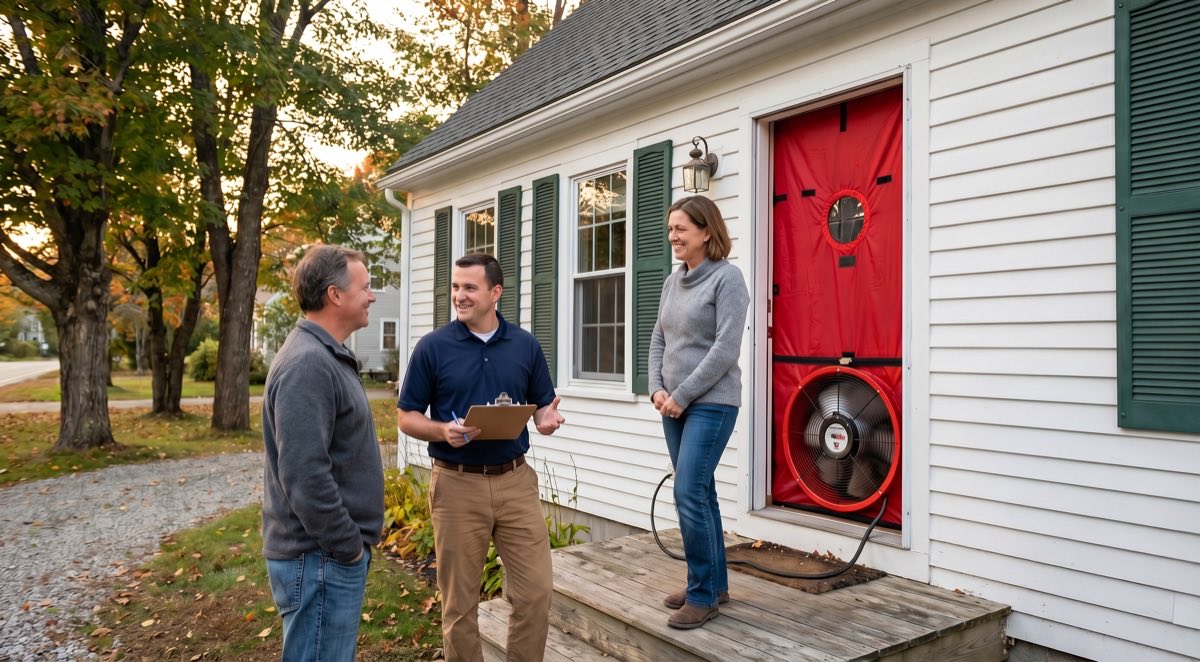
- Blower door test: A large calibrated fan is mounted in an exterior door to depressurize the house. The CFM50 number (cubic feet per minute at 50 pascals) tells you how leaky the building envelope is. A leaky older home in Maine might test at 3,500 CFM50 or higher. Well-sealed homes come in at 1,500 or below.
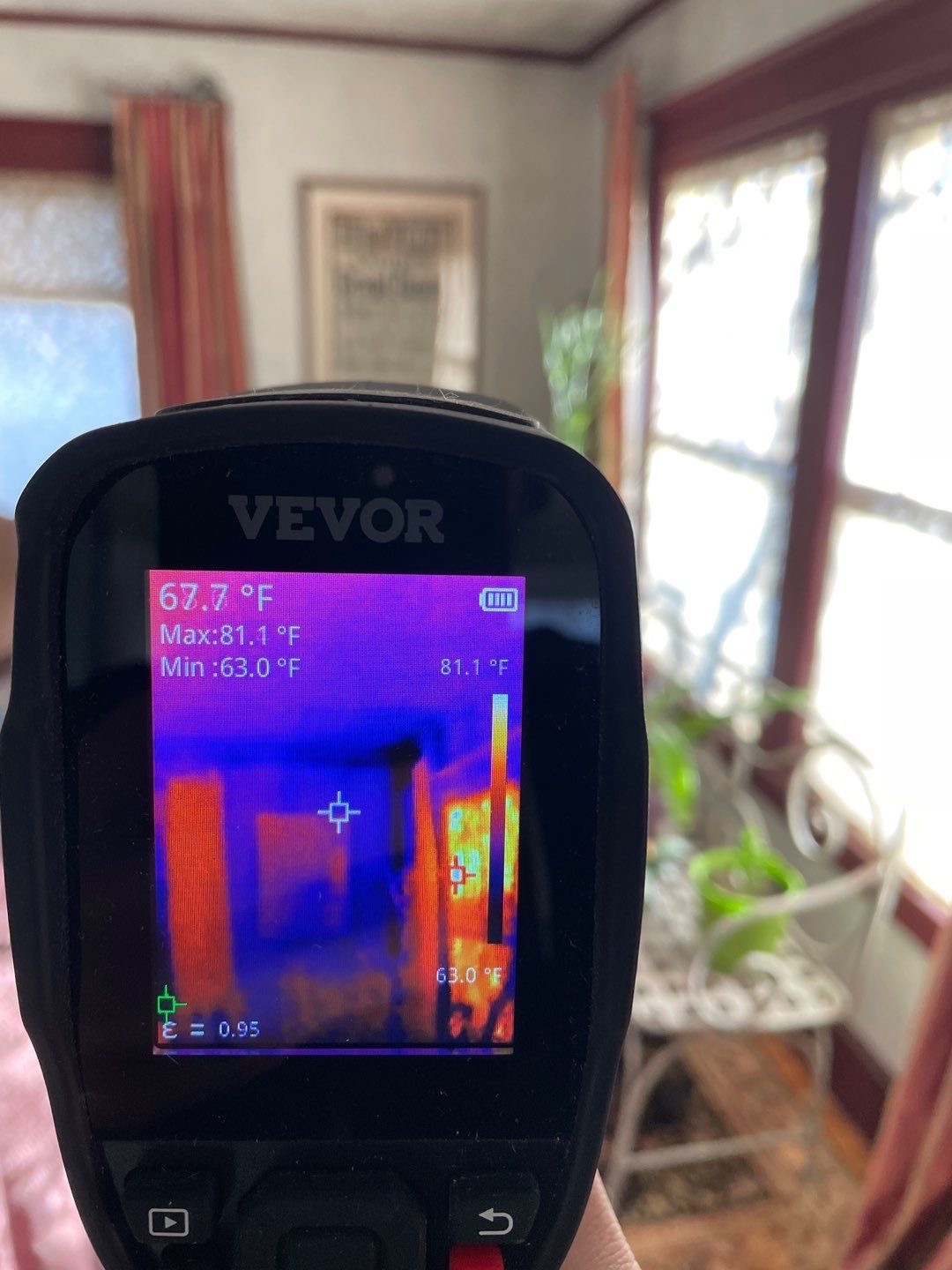
- Thermal imaging: An infrared camera scans walls, ceilings, and floors while the blower door is running to identify exactly where conditioned air is escaping and where insulation is absent or damaged.
- Insulation assessment: Current insulation levels in attics, walls, and basements are documented, typically compared to Maine's recommended levels and energy code requirements.
- Heating system efficiency: A combustion analysis test measures actual operating efficiency of oil, gas, or propane systems. A furnace rated at 80% AFUE by the manufacturer may be running at 68% in practice.
- Combustion safety: Carbon monoxide, draft, and combustion gas spillage checks, especially for older systems.
The output is a written report documenting your home's current energy baseline and recommendations for improvement, typically ranked by cost-effectiveness.
That is a traditional diagnostic audit. What Horizon Homes offers is different - and for most new homeowners, a better starting point.
The Horizon Homes Energy Assessment: What We Actually Do
Most homeowners who contact us are not looking for a diagnostic report. They want to know what is wrong, what to fix first, and what it will cost - with Efficiency Maine rebates already factored in.
Our free energy assessment delivers exactly that. Here is how it works:
A certified advisor walks through your home - attic, basement, main living areas, mechanical room. We look at insulation levels, visible air leakage points, heating system age and type, and the thermal envelope. No blower door at this stage, no diagnostic equipment, no invasive testing. The assessment is a visual walkthrough, not a formal diagnostic audit.
At the end of the walkthrough, you get a prioritized plan: what to address first, what each improvement costs, and what Efficiency Maine rebates apply to your situation. For most Maine homeowners, that plan includes insulation and air sealing, and often a heat pump if the heating system is near end of life. The rebates are deducted from your invoice upfront, so you do not pay full price and wait for reimbursement.
If you move forward with work, the diagnostic testing happens as part of the job itself. We run a baseline blower door test at the start, use thermal imaging to target leaks as we seal them, and run the blower door again at the end to verify the improvement. The testing is built into the work where it is most useful, not into a separate billable step before you have committed to anything.
The assessment is free. No cost, no obligation.
When to Schedule Each: A Timeline for Home Buyers
The home inspection and the energy audit serve different stages of home ownership. Here is how to think about the sequence:
Before closing: Home inspection
This is standard and non-negotiable. Your real estate agent and lender will expect it. Schedule a licensed home inspector as soon as you are under contract. The home inspection contingency in your purchase agreement typically gives you 10 to 14 days to complete this step.
A home inspection tells you about safety, condition, and deferred maintenance. If the inspector finds significant structural issues, a failed roof, or an electrical panel that needs immediate replacement, you have grounds to renegotiate the purchase price or walk away.
After closing: Energy assessment
We schedule assessments for homeowners who are ready to plan improvements, not as a pre-closing negotiation tool. Once you close, an energy assessment gives you a clear roadmap for making the home more comfortable and efficient, with Efficiency Maine rebate calculations already included.
This is the right sequence for a few reasons:
First, the information is actionable. Before you close, you cannot schedule contractors, pull permits, or move forward with rebate paperwork. After you close, you can actually do something with the recommendations.
Second, improvements affect your home, not the seller's. Once you own the property, efficiency upgrades build your equity, reduce your energy costs, and improve your comfort. The framing is entirely different from the pre-closing stage.
Third, the best time to sequence improvements matters. An energy assessment helps you prioritize: do insulation and air sealing before adding a heat pump, for example, because tightening the envelope reduces the size of system you need. That sequencing advice only becomes relevant once you own the home and are actually planning work.
If you want energy performance data before closing, ask for the last two years of utility bills. That is the most reliable indicator available at the purchase stage.
Why Maine Homes Especially Benefit From an Energy Assessment
Maine's climate is unforgiving. Greater Portland averages around 7,500 heating degree days per year - roughly double what a homeowner in Virginia would see. That means heating costs are higher, the penalty for a leaky building envelope is larger, and the return on efficiency improvements is greater than in milder climates.
It also means that a lot of Maine homes, especially the older colonial and cape styles common in Greater Portland, Brunswick, and the surrounding communities, were built before energy efficiency was a design priority. Many have uninsulated rim joists, attics at R-11 or R-19 when they should be R-49 to R-60, and minimal air sealing. A home energy audit for an older Maine home often reveals more opportunity than the owners expected.
Efficiency Maine's rebate program makes improvements more accessible than in most states. Rebates for insulation, air sealing, and heat pumps are among the most generous in the country, and income-eligible households qualify for even higher rebate amounts. See the full Efficiency Maine rebate guide for current amounts.
The combination of high heating costs, older housing stock, and available rebates makes the post-close energy assessment a smart early step for most Maine home buyers.
What to Expect From Your Assessment
A Horizon Homes energy assessment typically runs about an hour. Here is what happens:
We walk through the home together. Attic first, then basement, then the main living areas and mechanical room. We look at what we can see - insulation depth, air barrier continuity, heating system type and age, obvious leakage points like recessed lights, bypasses at partition walls, and penetrations.
We ask about your experience. Cold rooms in winter, rooms that are hard to cool in summer, unusually high heating bills, comfort complaints - all of that is useful context that a blower door number cannot tell us.
We present a prioritized plan. Not a vague list of "improvements to consider" - a specific scope with real pricing and Efficiency Maine rebates already deducted from the numbers. You leave the assessment knowing exactly what we recommend, why we recommend it in that order, and what it will cost after rebates.
No pressure to commit. You have the plan. If you want a few weeks to think about it, that is fine. If you want to schedule the work on the spot, we can do that too.
To get ready, see our what to expect from an energy assessment guide.
Common Findings in Maine Homes
If you are in a house built before 1990, the assessment typically turns up the same set of issues. Not always in the same proportion, but the list is familiar:
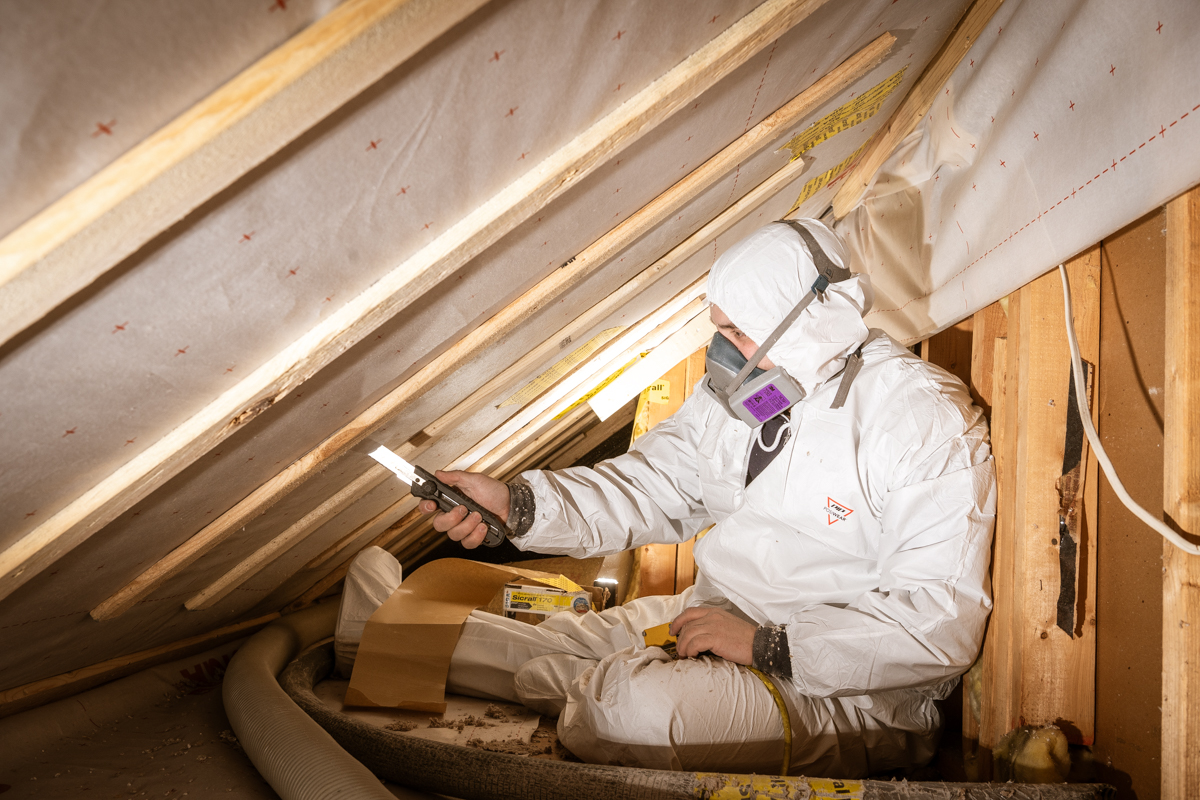
- Attic air sealing: Most pre-1990 attics have no air barrier at the ceiling plane. Conditioned air flows freely from the living space into the attic through gaps around light fixtures, top plates, and partition walls.
- Attic insulation: R-11 to R-19 is common in homes built before 1980. Maine recommended levels are R-49 to R-60 for most home types.
- Rim joists: The band of framing where the floor system meets the foundation wall is often uninsulated and unaired. It is one of the highest-return improvements per dollar in most older Maine homes.
- Basement walls: Older basements with stone or concrete block walls have minimal insulation value.
- Heating system age: Oil and gas systems over 20 years old are often running well below their rated efficiency.
See our common assessment findings guide for Maine homes for a detailed breakdown by home type and age.
After the Assessment: What Comes Next
Once you have a prioritized improvement plan, the path forward is straightforward. See our assessment next steps guide for the full breakdown.
The short version:
- Start with the building envelope. Insulation and air sealing first. Tightening the envelope reduces your heating load, which affects the size and cost of any heat pump you add later.
- Apply rebates before you commit. Efficiency Maine rebates are deducted from your invoice upfront. You do not pay full price and wait for reimbursement.
- Sequence improvements to maximize rebate stacking. Some rebate programs have income limits and annual caps. Getting the sequencing right can meaningfully affect what you qualify for in a given year.
Most new homeowners complete insulation and air sealing within the first year and add a heat pump in the second or third year once the envelope work is done.
Schedule a Free Energy Assessment
If you have recently purchased a home in Greater Portland or surrounding communities, or are under contract and want to start planning, we are ready to schedule.
Call (207) 221-3221 or book online. The assessment is free. Most appointments are available within one to two weeks.
For more on how energy audits and energy assessments differ, see our guide: Energy Assessment vs Energy Audit: What Maine Homeowners Need to Know.
Find our guides faster: add Horizon Homes as a preferred source on Google.
Free Home Energy Assessment
Ready to Lower Your Energy Bills?
We identify the improvements that will have the biggest impact on your home's energy use, with clear pricing and rebate estimates.
- Free walkthrough, no equipment, no disruption
- Efficiency Maine rebates identified for you
- Written improvement plan with pricing
Schedule Your Free Assessment
We call within 1 business day.