Finding an Insulation Contractor in Portland, Maine
Editor's note (October 2026): Efficiency Maine changed its insulation and air sealing rebates for work completed on or after October 1, 2026. They are now a fixed amount per zone of the house (attic, walls, basement) instead of a percentage of project cost, and the Efficiency Maine rebate figures in this article are current as of October 2026. Amounts depend on household income and project scope. See current Efficiency Maine rebates.
Editor's note (September 2026): The federal 25C tax credits referenced in this article expired December 31, 2025 and are only available for qualifying work completed before that date. The credit amounts and cost examples below reflect the period when the credit was available. Efficiency Maine rebates remain available and are now the primary incentive for insulation and air sealing projects. Learn more about what has changed.
If you spend any time in Portland-area homeowner groups online, the same question comes up every fall: "Can anyone recommend an insulation contractor?" The replies pile up fast. Dozens of names, conflicting opinions, and not much clarity on what actually matters when choosing someone to insulate your home.
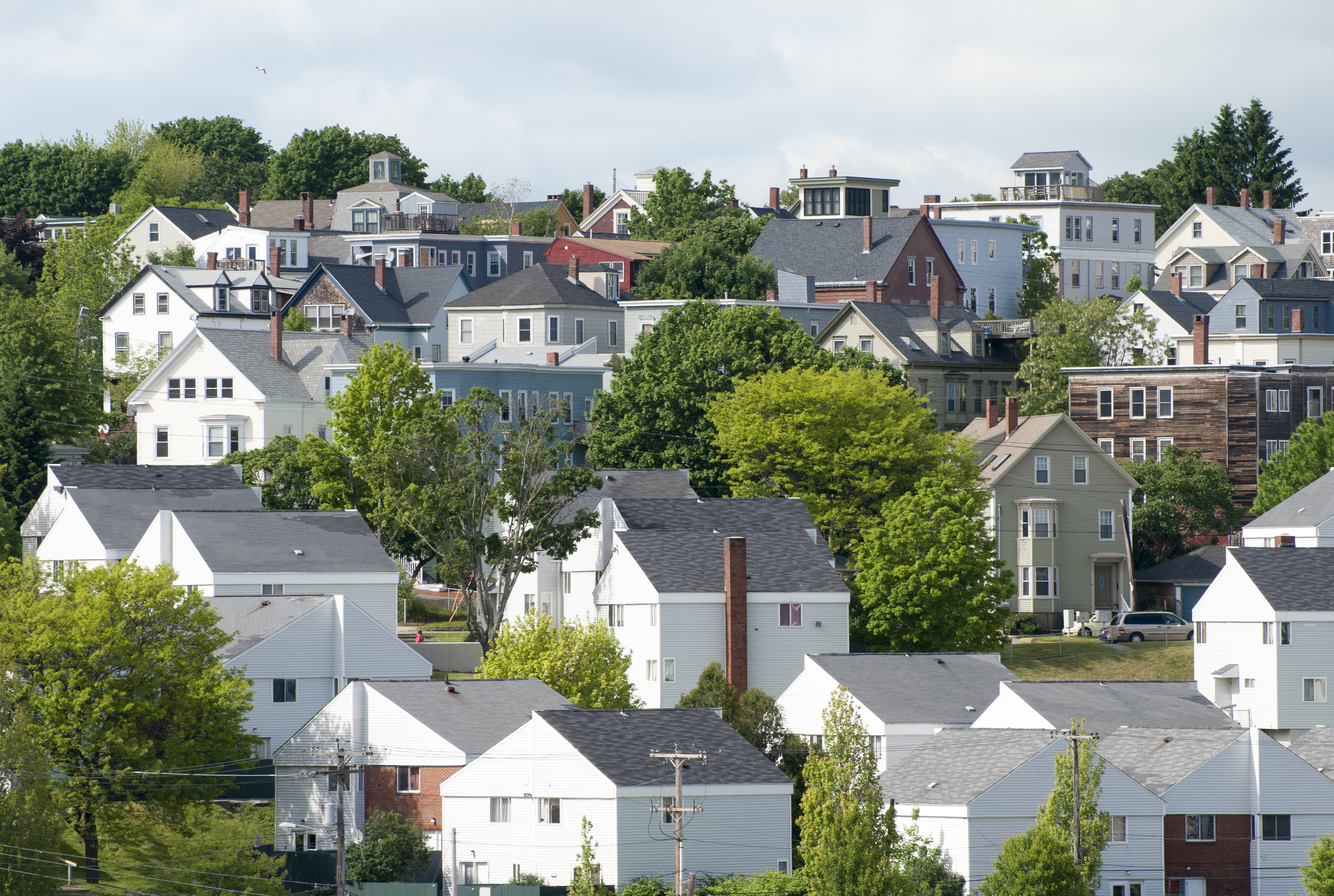
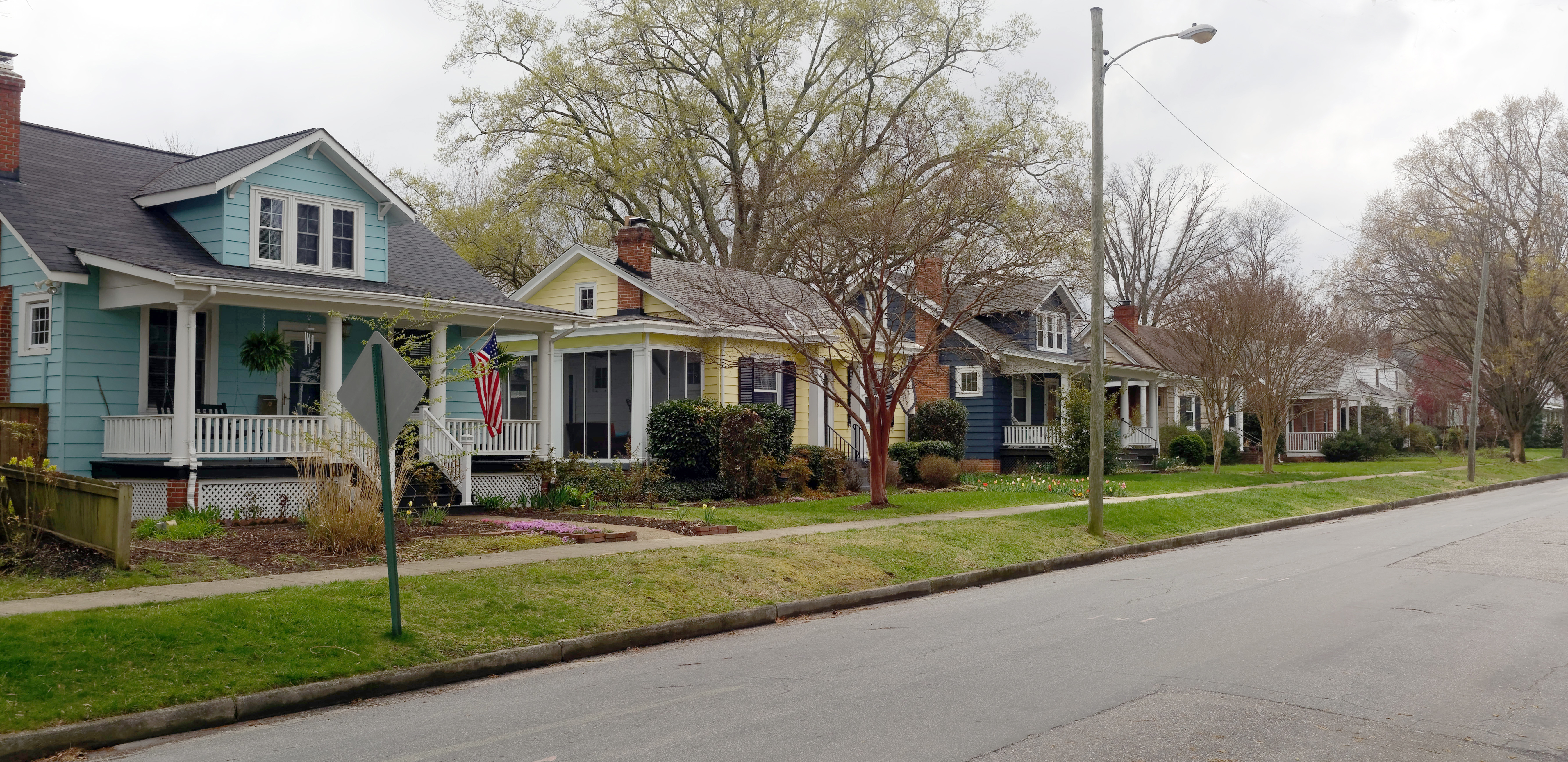
Portland's housing stock makes this decision more important than it might seem. The city is full of homes built between the 1880's and 1960's - Capes, Colonials, triple-deckers, bungalows, and Victorians - each with its own insulation challenges. The contractor you choose needs to understand how these older homes work, because the approach that's right for a 2010 ranch is not the approach that's right for a 1920's balloon-frame Colonial on Munjoy Hill.
At Horizon Homes, we've been insulating homes across Greater Portland for over 20 years. Here's what we've learned about what Portland homeowners should look for - and ask about - when hiring an insulation contractor.
Portland's Housing Stock: Why It Matters
Most homes in Portland, South Portland, Westbrook, and the surrounding communities were built before modern insulation standards existed. Many were built before insulation standards existed at all. Understanding your home's construction type is the first step in getting the right insulation work done.
Balloon-frame homes (pre-1940's)
Balloon framing was the dominant construction method in New England from the mid-1800's through the 1930's. In these homes, wall studs run continuously from the foundation to the roof, with no horizontal blocking between floors. That means the wall cavities are essentially open shafts running the full height of the house.
Why this matters for insulation: air moves freely through these open cavities. Warm air rises from the basement into the walls, up through the second floor, and into the attic. This is the "stack effect" in action, and it's the primary reason so many older Portland homes feel drafty even after insulation has been added to the attic.
Insulating a balloon-frame home requires plugging these open cavities with dense-pack blown-in cellulose. The cellulose fills the cavity completely and is packed tightly enough to resist air movement. This is a specialized technique - not every contractor does it well, and not every insulation material works for this application.
Platform-frame homes (1940's-present)
Platform framing became standard after World War II. In these homes, each floor is built as a separate platform, with blocking between stories. The wall cavities are shorter (one story each) and naturally resist vertical air movement better than balloon framing.
Many of these homes were built with some insulation - often fiberglass batts that have since settled, compressed, or been damaged by moisture. The insulation may look like it's there, but it's no longer performing.
Cape Cod homes
Portland has thousands of Cape Cods built in the 1940's and 1950's. These homes present a specific challenge: the knee walls and sloped ceilings on the second floor create complex insulation geometry. The attic space is partially conditioned (the upstairs bedrooms) and partially unconditioned (the triangular knee wall spaces), with transitions between the two that are notoriously difficult to insulate and air seal properly.
If your Cape Cod's second floor is significantly hotter than the first floor in summer and colder in winter, the knee wall areas are almost certainly the problem.
Why Blown-In Cellulose Works for Portland Homes
When we insulate homes in Greater Portland, our primary material is blown-in cellulose. There are good reasons for this choice, and they're worth understanding as you evaluate contractors.
Cellulose insulation is made from roughly 85% recycled newspaper, treated with borates for fire resistance and pest deterrence. It carries a Class 1 fire rating and produces zero off-gassing. It has a 30+ year lifespan when properly installed.
Here's why it's the right fit for Portland's older homes:
Dense-pack capability
When blown into wall cavities at the right density (3.5 pounds per cubic foot), cellulose fills every gap, wraps around wiring and plumbing, and creates a barrier that resists both heat transfer and air movement. This dense-pack technique is critical for balloon-frame walls, where stopping air movement is just as important as adding insulation value.
Moisture management
Cellulose can absorb and release moisture without losing its insulating properties. In older homes where vapor barriers are inconsistent or nonexistent, this characteristic helps prevent moisture problems that can develop with other insulation types.
Attic and floor applications
For open attic spaces, cellulose is blown in at lower density to achieve the target depth (typically R-49 to R-60 for Maine's climate zone). It conforms to irregular surfaces, fills around obstacles, and creates consistent coverage that batts can't match.
Cost
Blown-in cellulose typically costs 40-70% less than spray foam insulation with comparable performance for most applications. For a typical Portland home that needs attic insulation, wall insulation, and basement insulation, the savings are significant.
We install cellulose because it performs. Not because it's cheap. For specific situations where cellulose isn't the right answer - rubble basements, damp crawlspaces, rim joists - we coordinate spray foam work with specialized subcontractors. The goal is always to recommend the right insulation for each area of your home.
What to Ask an Insulation Contractor
Before hiring anyone, ask these questions. The answers will tell you a lot about whether a contractor understands Portland's housing stock and can deliver quality work.
"What insulation material do you recommend for my home, and why?"
A good contractor should explain their recommendation based on your specific home, not just default to whatever they sell. If someone recommends the same approach for a 1920's balloon-frame Colonial and a 1990's ranch, they're not paying attention.
"Do you also do air sealing?"
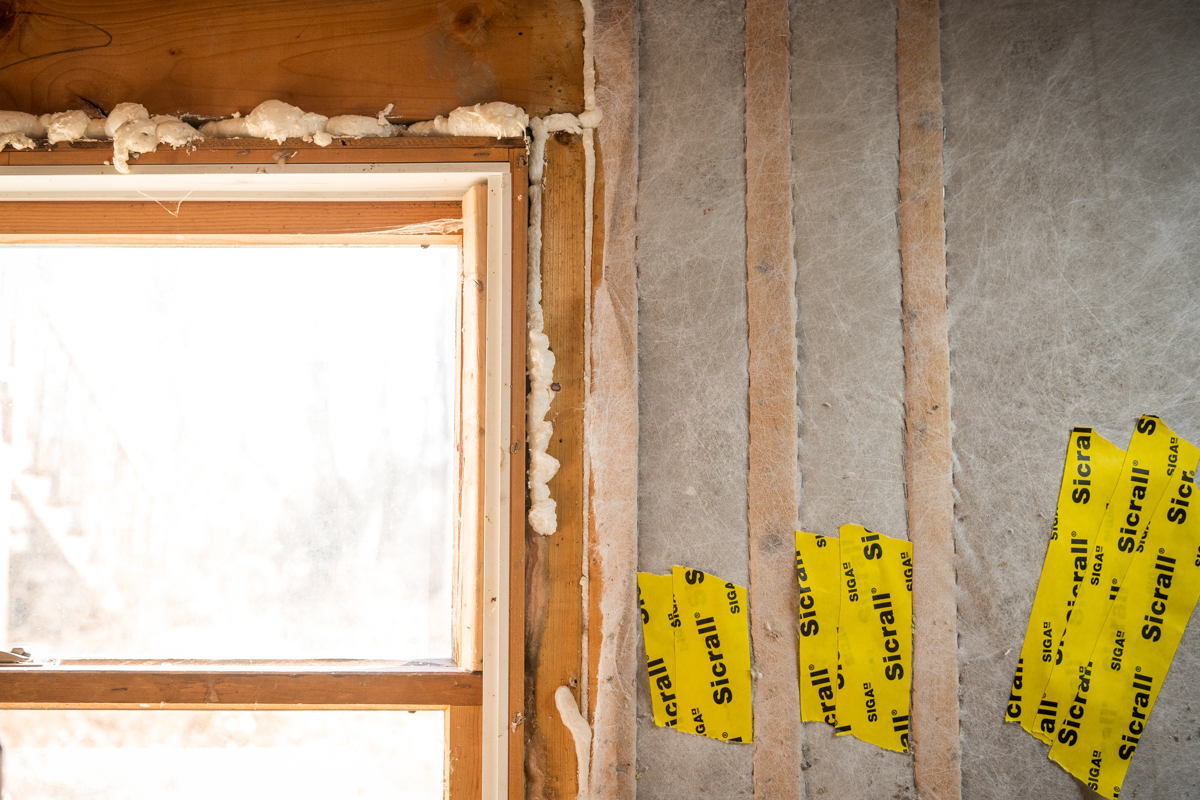
This is critical. Insulation without air sealing is like wearing a sweater with holes in it. Air sealing addresses the gaps and cracks in your home's building envelope - around plumbing and wiring penetrations, at the attic floor, where walls meet ceilings, and dozens of other locations where conditioned air escapes.
The best results come from combining insulation and air sealing in the same project. Contractors who only install insulation are solving half the problem.
"How do you handle existing insulation?"
Many Portland homes have old fiberglass batts in the attic that are settled, compressed, or water-damaged. A quality contractor will assess the existing insulation's condition and explain what needs to happen - sometimes it can stay in place with new cellulose blown over top, sometimes it needs to be removed first.
"Are you an Efficiency Maine registered contractor?"
Efficiency Maine rebates can cover a significant portion of insulation costs - up to $8,600 per home for qualifying homeowners (income-dependent). Since October 1, 2026, the rebate is a fixed amount per zone of the house (attic, walls, basement) rather than a percentage of cost. A registered contractor handles the rebate paperwork and, in the best case, applies the rebate directly to your invoice so you don't pay full price upfront.
Horizon Homes has been an Efficiency Maine Top Contractor for 10+ years. We manage the entire rebate process and apply amounts directly to your invoice.
"Can I see a detailed, written estimate?"
Your estimate should include specific line items for each area of work, the insulation type and target R-value, estimated rebate amounts, and your net cost after rebates. Vague bids that just say "insulate attic - $X" don't give you enough information to compare contractors or understand what you're getting.
Want to know where your home stands? Schedule a free energy assessment or call (207) 221-3221 to talk with our team.
The Whole-Home Perspective
Here's something many homeowners don't consider when shopping for an insulation contractor: insulation is one piece of a larger puzzle.
Your home's air sealing determines how much conditioned air escapes. Your heating system's efficiency determines how much energy is wasted generating heat. Your insulation determines how well your home retains that heat. These three things work together.
A contractor who only does insulation can improve your home. But a contractor who also handles air sealing and heating system upgrades - cold-climate heat pumps, high-efficiency boilers - can design a project where all the pieces work together. Insulating first means a heat pump can be smaller, cheaper, and more efficient. Air sealing first means insulation performs better.
At Horizon Homes, this whole-home approach is how we work. We start with a free energy assessment that looks at everything - insulation, air sealing, heating, cooling, and ventilation. Then we recommend a plan that addresses the biggest opportunities first, phased over time if budget is a concern.
What Insulation Costs in Greater Portland
Every home is different, but here are general ranges for insulation work in the Portland area:
- Typical whole-home project (attic, walls, basement): $10,000-$30,000 before rebates
- After Efficiency Maine rebates: Your cost depends on the size of your home and which zones (attic, walls, basement) you insulate, since rebates are a fixed amount per zone and depend on household income. A free energy assessment gives you a number for your own home
- Savings potential: 30-50% reduction in heating and cooling costs for under-insulated homes, or $1,200-$1,600 per year for oil and propane-heated homes
Financing is also available through Efficiency Maine Green Bank - up to $25,000, with rates from 0% for qualifying projects to 7.99% over 10 years.
We provide transparent, line-item estimates that show exactly what work is proposed, what it costs, and what your after-rebate number looks like. We're also happy to phase improvements over time to fit your budget.
Making Your Decision
Choosing an insulation contractor in Portland comes down to a few key factors: Do they understand older New England homes? Do they address air sealing alongside insulation? Are they registered with Efficiency Maine? Will they give you a clear, written estimate? And do they look at the whole home, not just the one area you called about?
Horizon Homes has been serving Greater Portland since 2006. We've insulated hundreds of homes across Portland, South Portland, Westbrook, Scarborough, Cape Elizabeth, Falmouth, and the surrounding communities. We know what works in New England housing stock, and we'll give you an honest assessment of what your home needs.
Schedule your free energy assessment to get started, or call us at (207) 221-3221. We'll walk through your home, identify the biggest opportunities, and give you a clear plan with transparent pricing - no pressure, no obligation.
Find our guides faster: add Horizon Homes as a preferred source on Google.
Free Home Energy Assessment
Wondering Where Your Home Is Losing Heat?
We walk through your home, identify insulation gaps and air leaks, and give you a prioritized plan with pricing and Efficiency Maine rebates.
- Free walkthrough, no equipment, no disruption
- Efficiency Maine rebates identified for you
- Written improvement plan with pricing
Schedule Your Free Assessment
We call within 1 business day.