Energy Upgrades for Older Portland Homes: Where to Start

Editor's note (October 2026): Efficiency Maine changed its insulation and air sealing rebates for work completed on or after October 1, 2026. They are now a fixed amount per zone of the house (attic, walls, basement) instead of a percentage of project cost, so the insulation rebate figures, combined totals, and cost examples below reflect the program when this article was published. See current Efficiency Maine rebates.
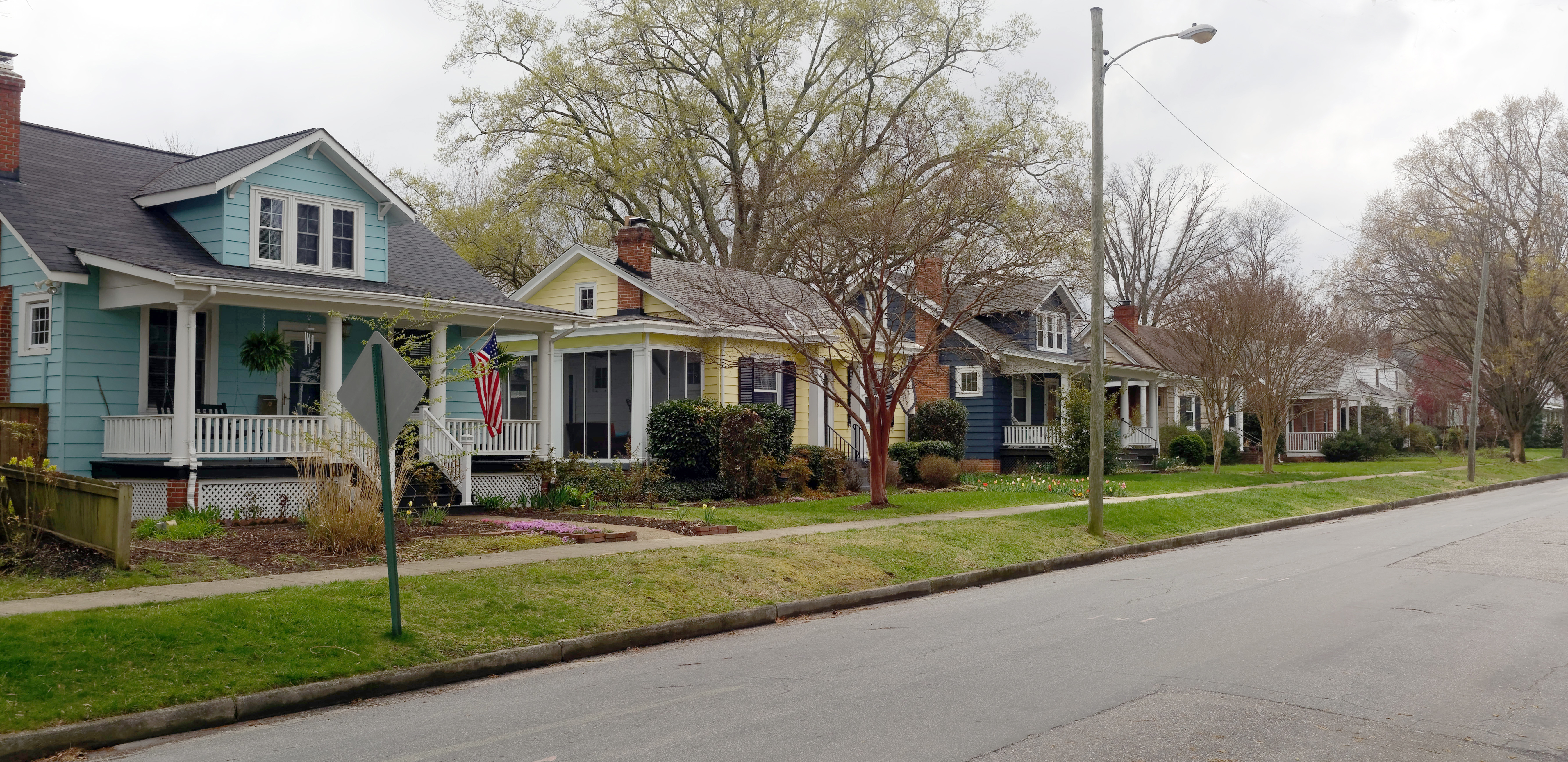
If you own a home in Portland's West End, Deering Center, Munjoy Hill, or any of the neighborhoods built before 1960, your house has character. It also has energy problems that newer homes do not.
We have been insulating homes across Greater Portland for 20+ years, and certain patterns show up again and again depending on the era and style of construction. Knowing what your home is likely dealing with helps you prioritize the right upgrades in the right order.
Portland's Housing Stock: A Quick Overview
Greater Portland's residential neighborhoods were largely built in waves:
- Pre-1900 (West End, Munjoy Hill, Woodfords Corner): Balloon-frame construction, plaster-and-lath walls, fieldstone or brick foundations, single-pane windows. Many of these homes have had no insulation added since they were built.
- 1900-1940 (Deering Center, Oakdale, Riverton): Similar balloon framing in earlier homes, transitioning to platform framing in the 1930's. Original insulation (if any) was minimal - sometimes newspaper or sawdust in wall cavities.
- 1940-1960 (Woodfords, Forest Ave corridor, South Portland, Westbrook): Cape Cods and ranch-style homes built for returning veterans. Platform framing, thin fiberglass batts in some walls and attics, uninsulated basements.
- 1960-1980 (suburban Portland, Scarborough, Gorham): Split-levels, colonials, and raised ranches. Better insulated than earlier homes but still well below current standards. Attics might have 4-6 inches of insulation where R-50 is the target.
Each era has its own set of challenges. Here is what to watch for and where to focus your energy dollars.
Balloon-Frame Homes (Pre-1950's)
Balloon framing is the single biggest energy issue in older Portland homes. In balloon-frame construction, the wall studs run continuously from the foundation sill plate to the roof rafters - sometimes two or three stories without interruption. The wall cavity is one tall, open channel.
This means:
- Warm air rises through the wall cavities and escapes into the attic
- Cold air enters at the sill plate and circulates through the walls
- Air sealing the attic floor is not enough because the wall cavities bypass the attic floor entirely
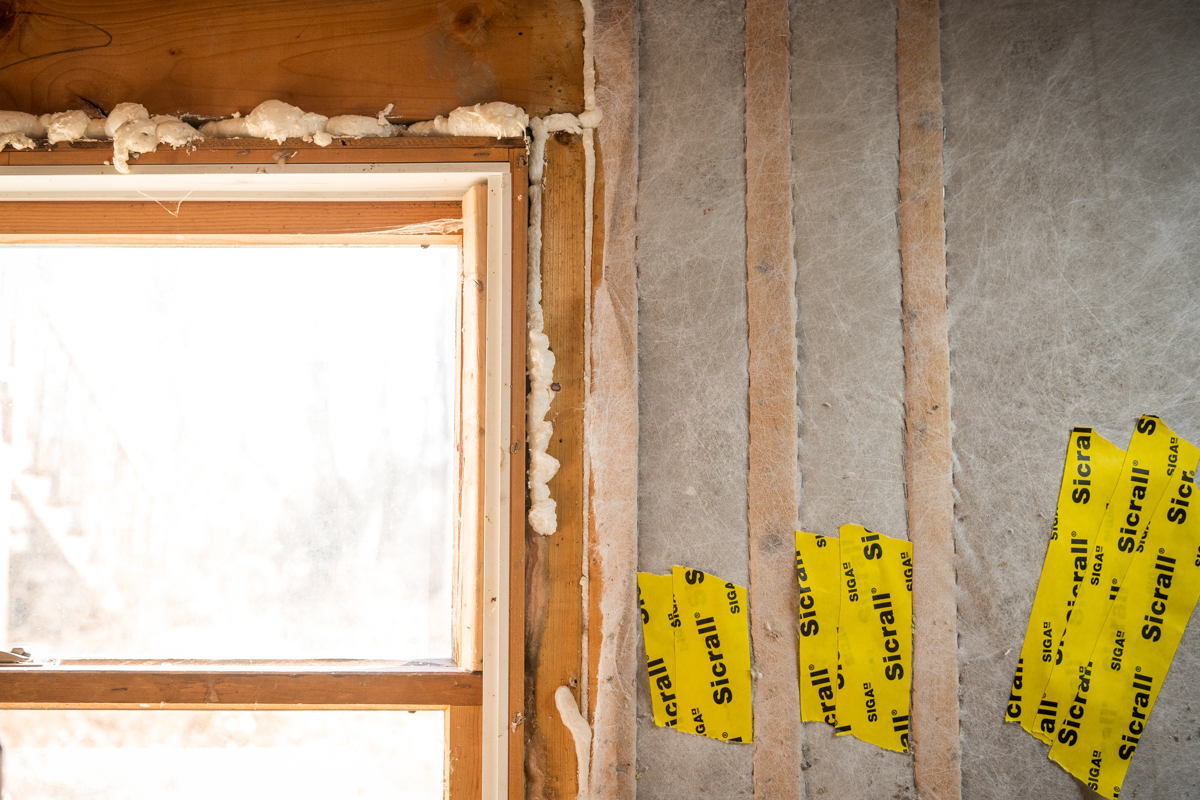
The fix involves sealing the top of each wall cavity where it enters the attic (called "fire-stopping" or "blocking") and sealing the bottom where the wall meets the foundation. Dense-pack cellulose insulation blown into the wall cavities also restricts airflow through these channels.
If you live in a pre-1950's Portland home and your heating bills are high despite having attic insulation, balloon-frame bypasses are the likely culprit.
Knob-and-Tube Wiring
Many pre-1950's homes in Portland still have active knob-and-tube (K&T) wiring in some or all of the house. This matters for insulation because blown-in insulation cannot be installed in wall or attic cavities where active K&T wiring is present. The wiring was designed to dissipate heat in open air, and covering it with insulation creates a fire risk.
Here is what we do when we encounter K&T:
- Identify which circuits are still active versus abandoned. Abandoned K&T that has been disconnected can be insulated over.
- Work around active circuits. We can insulate areas of the attic and walls where K&T is not present and skip the sections where it is.
- Recommend an electrician to rewire the active K&T circuits. Once the wiring is updated, we can come back and fill in the remaining cavities.
This is not a reason to skip insulation entirely. Most homes with K&T still have large areas - basements, sections of attic, exterior walls on additions - where insulation can be safely installed.
Schedule a free energy assessment and we will identify which areas of your home can be insulated now and which need electrical work first.
Foundation Issues in Older Portland Homes
Fieldstone foundations (common in West End and Munjoy Hill) present unique challenges. The irregular stone surfaces cannot be insulated with rigid foam board the way poured concrete or block foundations can. For rubble and fieldstone basements, spray foam applied by a subcontractor is the appropriate solution - it conforms to the uneven surfaces and seals gaps between stones.
Brick foundations (also common in pre-1900 Portland homes) have their own concerns. Some older brick is soft and porous, and improper insulation can trap moisture against it, accelerating deterioration. We evaluate the condition of the brick and the moisture dynamics before recommending an approach.
For any foundation type, the rim joist area (where the floor framing sits on top of the foundation wall) is the priority. This is where the largest air leaks occur, and sealing it with polyiso rigid foam and caulk is effective regardless of the foundation material below.
Attic Insulation: The Highest-Impact Upgrade
Regardless of your home's age or construction type, the attic is almost always the best place to start. In older Portland homes, we commonly find:
- 2-4 inches of old insulation where R-50 is the standard for Maine attic retrofits
- No air sealing at penetrations (plumbing stacks, wiring, recessed lights, chimney chases)
- Attic hatches with no weatherstripping and no insulation on top
- Bathroom exhaust fans venting into the attic instead of outdoors
Bringing the attic to R-50 with blown in insulation and sealing all the air bypasses is the single most cost-effective upgrade for most Portland homes. Cellulose fills around obstructions, settles into irregular joist bays, and provides both thermal resistance and some air-sealing benefit.
The Right Order for Portland Homes
After 20+ years of working in Greater Portland, here is the priority order we recommend for most older homes:
Attic air sealing and insulation to R-50. Highest impact per dollar. Stops the stack effect that drives heat loss throughout the house.
Basement rim joist insulation and air sealing. Closes the other end of the stack effect and reduces drafts on the first floor.
Wall insulation. Dense-pack cellulose in exterior wall cavities. This makes the biggest difference in balloon-frame homes where the wall cavities are open pathways. Skip any cavities with active knob-and-tube wiring until an electrician updates them.
Heating system upgrade. Once the building envelope is tight, you can right-size a cold-climate heat pump system or high-efficiency boiler to the reduced heat load.
Rebates for Portland Homeowners
All of this work qualifies for Efficiency Maine weatherization rebates. Efficiency Maine pays a fixed amount per zone of the house (attic, wall, or basement), depending on household income. For a large zone with at least 500 square feet insulated:
- Any income: $2,000 per zone
- Moderate income: $3,000 per zone
- Low income: $4,000 per zone
Smaller zones (250 to 499 square feet) pay $1,000, $1,500, and $2,000 at those income tiers, and air sealing earns a separate amount per zone. The limit over the life of the building is $8,600 per home. Rebate amounts are income-dependent. Horizon Homes is an Efficiency Maine Top-Rated Vendor for 10+ years. We handle the paperwork and deduct the rebate directly from your invoice. For the full income tier breakdown and rebate amounts, see our Efficiency Maine rebates guide.
Your Portland Home Deserves Better
Older homes have good bones. Solid framing, plaster walls that last a century, neighborhoods worth staying in. What they lack is the thermal envelope that makes them comfortable and affordable to heat through a Maine winter.
The upgrades are straightforward, the rebates are available, and the work typically takes just a few days.
Schedule your free energy assessment and we will walk through your home room by room to identify exactly where the heat is going and what to do about it. Or call us at (207) 221-3221.
Find our guides faster: add Horizon Homes as a preferred source on Google.
Free Home Energy Assessment
Wondering Where Your Home Is Losing Heat?
We walk through your home, identify insulation gaps and air leaks, and give you a prioritized plan with pricing and Efficiency Maine rebates.
- Free walkthrough, no equipment, no disruption
- Efficiency Maine rebates identified for you
- Written improvement plan with pricing
Schedule Your Free Assessment
We call within 1 business day.