Insulation and Heat Pumps in South Portland, Maine
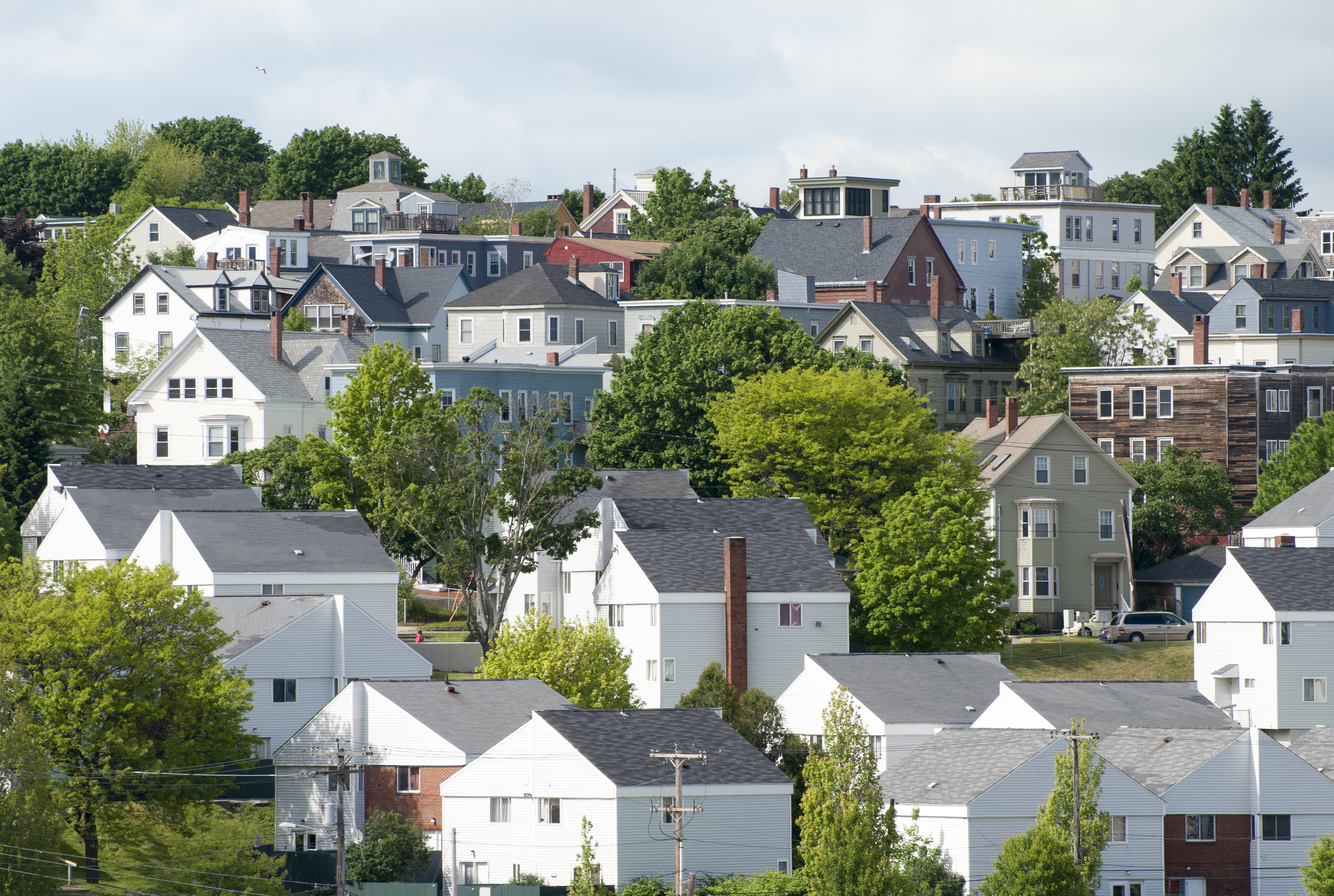
We spend a lot of time in South Portland. Between the Willard Beach neighborhood, Meetinghouse Hill, Thornton Heights, and the neighborhoods along Cottage Road, we have insulated and air-sealed hundreds of homes in this city over the past 20+ years. And the patterns we see are remarkably consistent.
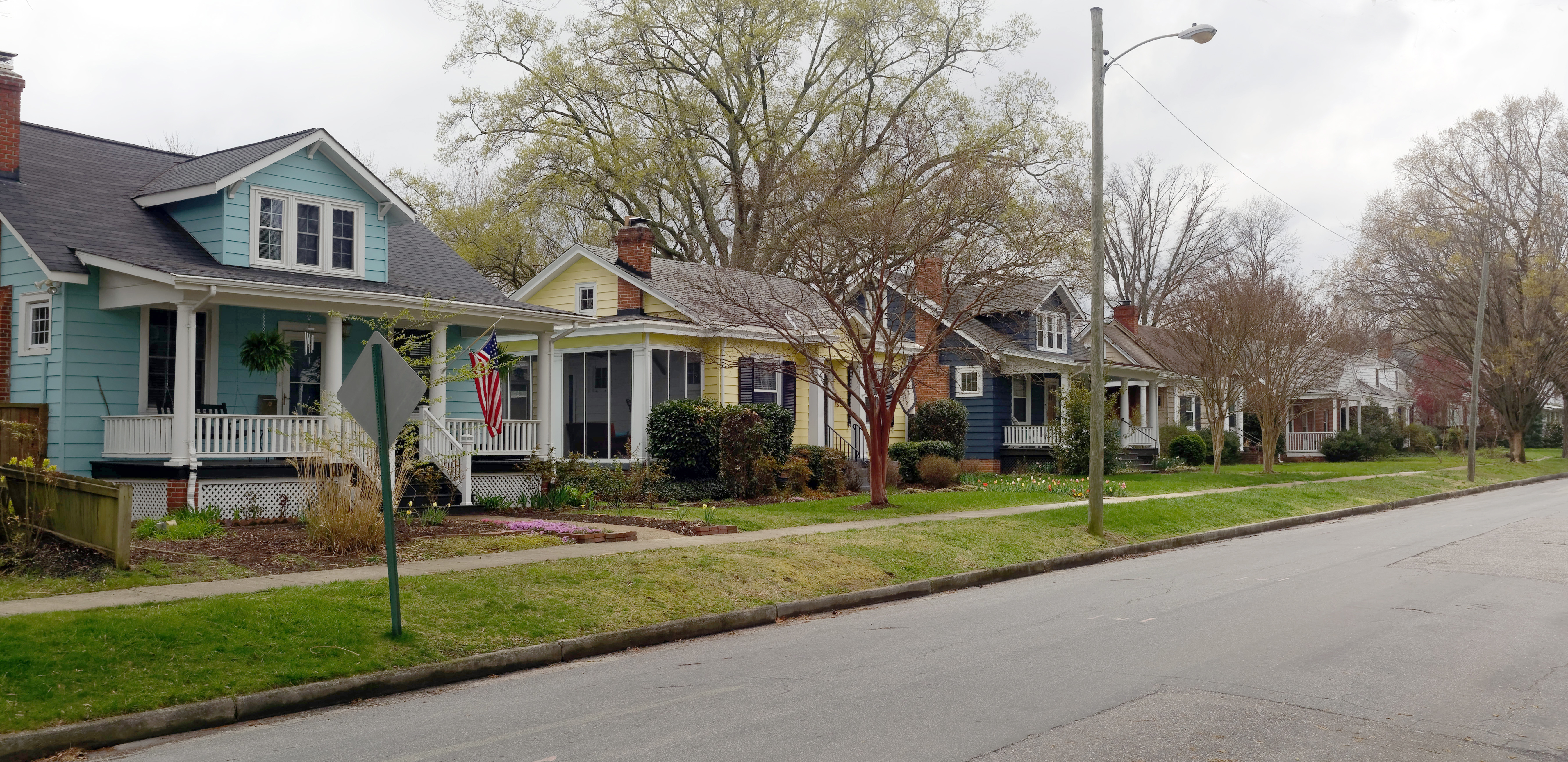
South Portland's residential housing stock tells a specific story. Most of the homes we work on were built between 1940 and 1970 - ranches, Cape Cods, and split-levels constructed during the post-war building boom. These are solid, well-built homes. They were also built to a set of energy standards that assumed oil would stay cheap forever.
That assumption did not hold up. And today, those same homes are costing their owners far more than they should to heat and cool.
South Portland's Housing Stock: What We See in the Field
When we pull into a South Portland neighborhood for a free energy assessment, we can often predict what we will find before we walk through the door, based on the style and era of the home.
Ranches (1950's-1960's)
South Portland has one of the densest concentrations of ranch-style homes in Greater Portland. These single-story homes were popular because they were efficient to build and affordable for young families. From an energy perspective, they have two defining characteristics:
- Large attic footprint relative to living space. A 1,200-square-foot ranch has 1,200 square feet of attic floor directly above every room. That attic is the single biggest source of heat loss in the home.
- Slab-on-grade or shallow crawlspace foundations. Many South Portland ranches sit on concrete slabs or low crawlspaces rather than full basements. This means less foundation heat loss but more exposure to cold air infiltration at the floor level.
We typically find 3-6 inches of original insulation in the attic - sometimes old fiberglass batts, sometimes a thin layer of loose fill that has settled and compressed over the decades. The current Energy Star recommendation for Maine attics is R-49 to R-60. Most South Portland ranches we assess are sitting at R-10 to R-19.
Cape Cods (1940's-1960's)
The Cape Cod is the other dominant style in South Portland. These story-and-a-half homes present a unique insulation challenge that we encounter on a weekly basis: the knee wall.
Knee walls are the short vertical walls on the second floor where the roof slope meets the floor. Behind those knee walls are triangular attic spaces that connect directly to the rafter cavities above your head. If those spaces are not properly insulated and air-sealed, warm air from your living space flows freely into the rafter cavities and out through the roof.
The result is a second floor that is always too hot in summer and too cold in winter. We hear this from South Portland Cape Cod owners constantly. The first floor is manageable. The upstairs bedrooms are miserable.
Split-Levels (1960's-1970's)
South Portland's split-level homes add another layer of complexity. With three or four distinct levels, these homes have more transitions between conditioned and unconditioned space - more opportunities for air leakage and more surfaces that need insulation.
The cantilevered sections that hang over the foundation are a consistent problem. These overhangs were rarely insulated when built, and they create cold floors and drafts that homeowners have lived with for decades.
Why Insulation Comes Before the Heat Pump
South Portland homeowners call us about cold-climate heat pumps almost as often as they call about insulation. The two are connected, and the order matters.
A cold-climate heat pump heats and cools your home using electricity instead of oil, propane, or natural gas. Modern cold-climate systems from manufacturers like Mitsubishi perform reliably down to -15 degrees F, which covers even the coldest Maine nights. They are the most efficient heating technology available for our climate.
But here is what we have learned from 20+ years of whole-home projects: a cold-climate heat pump installed in a poorly insulated home has to work harder, run longer, and produce more heat to keep up with the losses. That means higher electric bills, more wear on the equipment, and a system that may not keep up on the coldest nights without backup heat.
When you insulate and air-seal first, the math changes.
The Numbers on a Typical South Portland Ranch
Here is what the sequencing looks like on a 1,400-square-foot ranch in South Portland - a home we work on regularly:
Before insulation:
- Heating load: 55,000-65,000 BTU/h
- Heat pump sizing needed: 4-5 ton system (3-4 indoor heads)
- Estimated annual heating cost (heat pump): $2,200-$2,800
- System cost: $18,000-$24,000 before rebates
After attic insulation to R-49, wall insulation, and comprehensive air sealing:
- Heating load: 30,000-38,000 BTU/h
- Heat pump sizing needed: 2-3 ton system (2 indoor heads)
- Estimated annual heating cost (heat pump): $1,200-$1,600
- System cost: $10,000-$14,000 before rebates
The insulation work typically costs $4,000-$8,000 depending on the scope. But it reduces the size and cost of the heat pump system you need, lowers your ongoing energy costs, and means the cold-climate heat pump can handle the full heating load without backup. The insulation pays for itself through the smaller heat pump alone - before you even count the energy savings.
What Insulation Work Looks Like in a South Portland Home
Every project starts with a free energy assessment where we walk through the home, check the attic, examine the foundation, and identify the biggest opportunities. There is no sales pitch. We tell you what we find and explain the options.
For a typical South Portland ranch or Cape Cod, the insulation scope usually includes some combination of:
Attic Insulation
We blow cellulose insulation to R-49 or higher over the existing attic floor. Cellulose is made from 85% recycled newspaper, has a Class 1 fire rating, and delivers consistent thermal performance for 30+ years. Before blowing, we air-seal all penetrations in the attic floor - plumbing stacks, electrical wires, light fixture boxes, the attic hatch - using foam, caulk, and rigid material as needed.
For Cape Cods with knee walls, we address the rafter cavities and knee wall spaces as part of the attic scope. This often involves installing baffles to maintain ventilation channels and dense-packing cellulose into the rafter cavities.
Wall Insulation
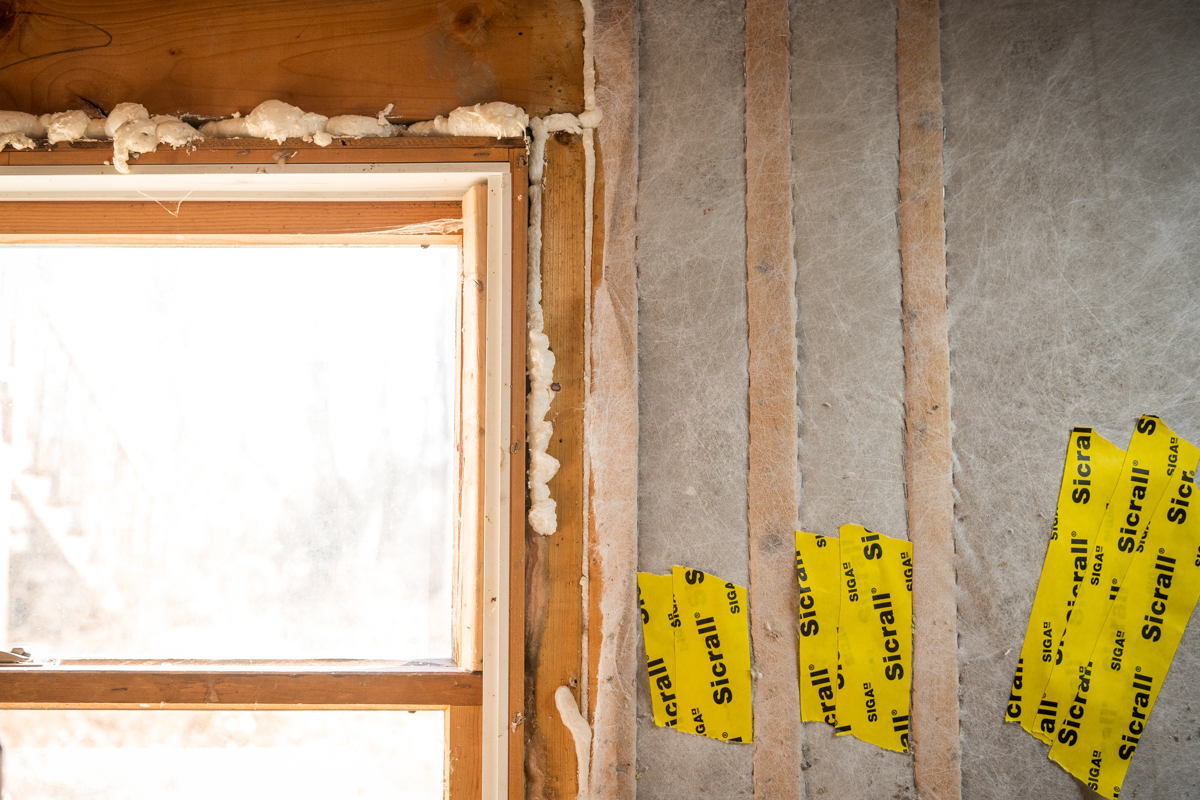
Many South Portland homes from this era have empty or under-insulated wall cavities. We blow dense-pack cellulose into the walls through small holes drilled in the exterior siding (or interior plaster, depending on the situation). The holes are plugged and patched after installation.
Dense-pack cellulose in wall cavities does double duty: it provides thermal insulation (R-13 to R-15 in a 2x4 wall) and significantly reduces air movement through the wall assembly.
Foundation and Rim Joist
For homes with basements or crawlspaces, we insulate the rim joist - the perimeter framing that sits on top of the foundation wall. This is one of the most cost-effective insulation upgrades in any home. We also insulate basement walls where appropriate, using rigid foam board for flat concrete and subcontracting closed-cell spray foam for rubble stone foundations where cellulose cannot do the job.
Efficiency Maine Rebates for South Portland Homeowners
South Portland homeowners have access to the same Efficiency Maine rebates as the rest of the state, and those rebates can make a significant dent in the cost of insulation and cold-climate heat pump installations.
Current rebate amounts are income-dependent, so the specific number varies by household. Some homeowners qualify for enhanced incentives that cover a larger portion of the project cost. We apply rebates directly to your invoice - you do not have to pay the full amount and wait for reimbursement.
For details on current rebate levels and eligibility, see our Efficiency Maine rebates guide.
We handle the Efficiency Maine paperwork as part of every project. As an Efficiency Maine Top Contractor for 10+ years, we know the program requirements and make sure your project qualifies before we start.
South Portland's Energy Future
South Portland has been ahead of the curve on energy policy. The city adopted a climate action plan, has invested in municipal solar and EV infrastructure, and has been encouraging residential energy upgrades through local outreach programs.
That policy direction aligns with what we see at the individual home level. Insulation and cold-climate heat pumps are not just about saving money on your heating bill - though the savings of 30-50% on heating costs are real. They are about making your home comfortable, reducing your reliance on delivered fuel, and bringing a 1950's ranch up to modern performance standards without changing its character.
Getting Started
If you own a home in South Portland and you are dealing with high heating bills, uneven temperatures, or a second floor that is unbearable in summer, the starting point is the same: a free energy assessment from Horizon Homes.
We are based in Westbrook at 865 Spring St - about 10 minutes from most South Portland neighborhoods. We have been doing this work since 2006, and we know South Portland's housing stock as well as anyone.
Call us at (207) 221-3221 or schedule your free assessment online. We will walk through your home, explain what we find, and give you a clear picture of what insulation and cold-climate heat pump options make sense for your situation. No pressure, no obligation - just straight answers from a contractor who does this work every day.
Find our guides faster: add Horizon Homes as a preferred source on Google.
Free Home Energy Assessment
Wondering Where Your Home Is Losing Heat?
We walk through your home, identify insulation gaps and air leaks, and give you a prioritized plan with pricing and Efficiency Maine rebates.
- Free walkthrough, no equipment, no disruption
- Efficiency Maine rebates identified for you
- Written improvement plan with pricing
Schedule Your Free Assessment
We call within 1 business day.