Maine's Heat Pump Adoption: By the Numbers
A customer in Falmouth mentioned last month that her neighbor told her heat pumps were "a fad that's already dying off." She wanted to know if that was true before she moved forward with her project. We pulled up the numbers. Maine crossed 143,000 heat pump installations in early 2025. That is not a fad. That is a structural shift in how Maine heats its homes.
The data on heat pump adoption in Maine tells an interesting story - one of rapid growth, real cost savings, and a few challenges that are worth understanding honestly. Here is what the numbers actually show.
The Big Picture: 143,000 and Counting
Maine set a goal of installing 100,000 heat pumps by 2025. The state hit that target ahead of schedule and kept going. As of early 2025, there are over 143,000 heat pumps installed across Maine, making the state one of the leaders in heat pump adoption per capita in the United States.
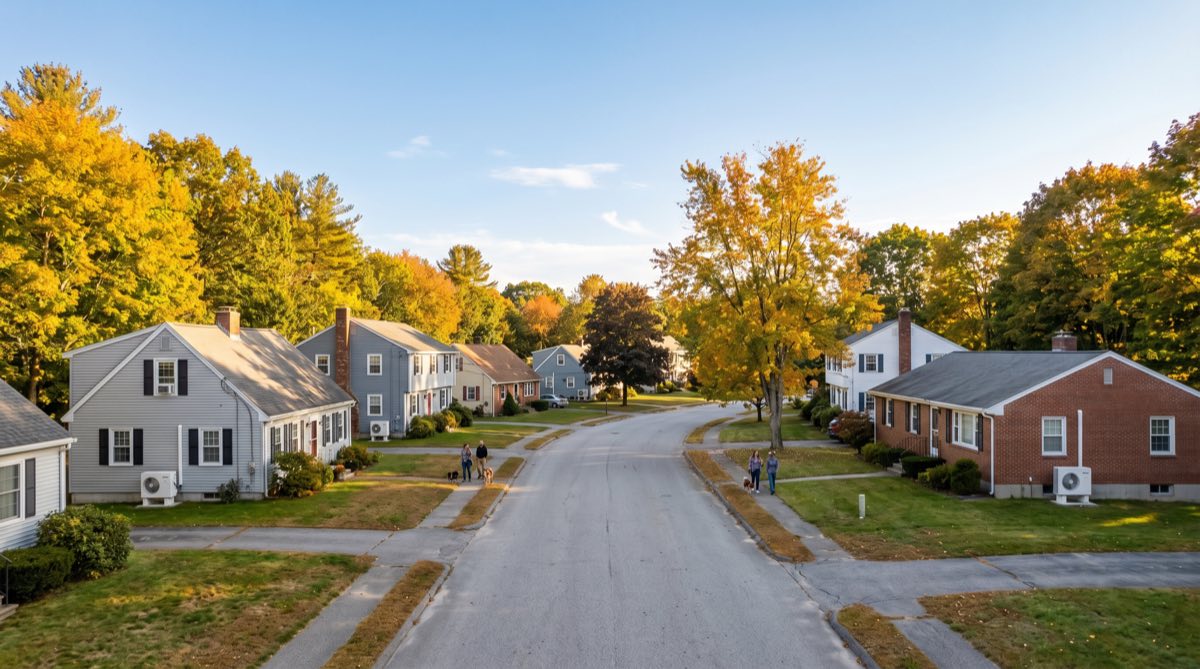
To put that in context, Maine has roughly 590,000 households. That means approximately one in four Maine households now has at least one heat pump. In Cumberland County - where Greater Portland is located - the adoption rate is even higher due to denser housing stock and more access to contractors.
Year-Over-Year Growth
The growth curve has been steep:
- 2019: Roughly 40,000 cumulative installations
- 2020: About 55,000 (37% year-over-year growth)
- 2021: Approximately 75,000 (36% growth)
- 2022: Around 100,000 (33% growth)
- 2023: About 120,000 (20% growth)
- 2024: Over 135,000 (12% growth)
- 2025: 143,000+ and continuing
The growth rate has slowed from the peak years of 2020-2022, which is expected as the market matures. Early adopters move fast. The next wave of homeowners tends to move more carefully, and that is not a bad thing - it means people are making more informed decisions.
Why Maine Leads the Country
Several factors explain why Maine has embraced heat pumps faster than most states.
Heating Oil Dependency
Maine is the most oil-dependent state in the country for home heating. About 60% of Maine households heat with oil, compared to roughly 4% nationally. When oil prices spiked above $5.00 per gallon in 2022, the economic case for heat pumps became impossible to ignore. Even with oil prices lower in 2024-2025, the long-term trend of oil price volatility pushes homeowners toward more predictable electricity costs.
Strong Incentive Programs
Efficiency Maine has been one of the most effective state incentive programs in the country. Rebates of up to $9,000 for cold-climate heat pumps (income-dependent) have made the technology accessible to a broader range of homeowners. The program's structure - rebates applied directly to invoices through registered contractors - removes the friction that slows adoption in other states.
Cold-Climate Technology Maturity
The timing worked in Maine's favor. The state's push for heat pumps coincided with significant improvements in cold-climate heat pump technology. Modern units from manufacturers like Mitsubishi, Fujitsu, and Daikin maintain strong heating capacity down to -15F and continue operating at -25F or lower. This was not possible with the heat pumps available 10-15 years ago.
Contractor Network
Maine has built a strong network of trained heat pump installers. The combination of Efficiency Maine's contractor training programs and market demand has created a competitive installer market, which keeps quality up and prices reasonable compared to states where heat pump installation is still a specialty service.
The Cost Data: What Homeowners Are Actually Spending
According to Efficiency Maine data and our own project records over 20+ years, here is what heat pump installations actually cost in Maine.
Installation Costs (Before Rebates)
- Single-zone mini-split: $4,000-$7,000
- System with 2-3 zones (one multi-zone outdoor unit, or several single-zone units): $10,000-$18,000
- Whole-home system (4+ zones): $18,000-$28,000
After Efficiency Maine Rebates
Rebates bring these numbers down, though the exact amount depends on household income and the type of system. Efficiency Maine pays three kinds of heat pump rebate.
Non-ducted whole-home systems:
- Any income: $1,000 per rebate-eligible outdoor unit, up to $3,000 per housing unit
- Moderate income: $2,000 per rebate-eligible outdoor unit, up to $6,000 per housing unit
- Low income: $3,000 per rebate-eligible outdoor unit, up to $9,000 per housing unit
- Limited-time bonus: an additional $500 per housing unit for eligible whole-home heat pump upgrades completed and claimed through December 31, 2026
The caps are lifetime limits per housing unit, so earlier heat pump rebates count against them. To qualify for these whole-home rebates, the heat pumps must serve as the home's primary heating system through the heating season, sized for at least 80 percent of its peak heating load, with any existing furnace or boiler kept for emergency backup only. Rebates apply to single-zone outdoor units. Multi-zone branch box systems (one outdoor unit feeding several indoor heads) are not rebate-eligible.
Ducted whole-home systems are paid a flat amount per housing unit instead of a rate per outdoor unit: $3,000 at any income, $6,000 at moderate income and $9,000 at low income. They need heat pumps sized for at least 100 percent of the home's peak heating load and any forced hot air furnace removed.
Supplemental heat pump rebate: a household with a member in MaineCare, HEAP, SNAP or TANF can receive $3,000 for one single-zone heat pump, if it is the first heat pump at the home and the household uses it throughout the heating season. This rebate has no primary heating or 80 percent sizing condition, and it counts toward the housing unit's lifetime maximum.
Your net cost depends on the system price, your income tier, and the number of outdoor units. See the current amounts on our Efficiency Maine rebates page.
These numbers do not include federal tax credits, which provided an additional benefit through the 25C credit (up to $2,000 per year) before it expired at the end of 2025. Efficiency Maine rebates remain the primary incentive going forward.
Operating Cost Savings
This is where the data gets interesting. Operating cost savings depend heavily on what fuel you are replacing and how well your home is insulated.
Oil to heat pump conversion: Homeowners heating with oil typically see annual heating cost reductions of 30-50%, depending on oil prices and electricity rates. At $3.50 per gallon for oil, a home using 800 gallons per year ($2,800) might spend $1,200-$1,800 on electricity to heat the same space with a cold-climate heat pump.
Propane to heat pump: Savings are similar to oil, sometimes slightly better depending on propane prices in your area.
Electric baseboard to heat pump: This is where savings are most dramatic. Heat pumps are 2-3 times more efficient than electric resistance heat, so the same amount of heating can cost 50-65% less.
Adoption by Region
Heat pump adoption is not uniform across Maine. Cumberland County and York County lead the state, with Penobscot County (Bangor area) close behind. Rural areas in northern and eastern Maine have lower adoption rates, which reflects a combination of fewer installers, more off-grid homes, and different housing stock.
In Greater Portland specifically, heat pump adoption is well above the state average. The density of contractors, proximity to supply chains, and housing stock that is well-suited to mini-split installations (1950's-1970's homes with limited or no ductwork) all contribute.
What the Satisfaction Data Shows
Efficiency Maine conducts follow-up surveys with heat pump recipients. The results are consistently positive:
- Over 90% of heat pump owners report being satisfied or very satisfied with their system
- 85%+ say they would recommend heat pumps to their neighbors
- The most common complaint is not performance - it is that homeowners wish they had installed more zones to cover their entire home
That last point is telling. Most dissatisfaction comes from homeowners who installed a single-zone unit as a "test" and then found it worked so well that they wanted full coverage. This is actually a reasonable approach - start with one zone, experience the results, then expand. Check the rebate rules before you start small. A single test unit can qualify for the $3,000 supplemental rebate if the household participates in MaineCare, HEAP, SNAP or TANF and it is the first heat pump at the home. Without that, the whole-home rules above apply, and a unit that heats only part of the house may not meet the primary heating requirement.
The Insulation Connection
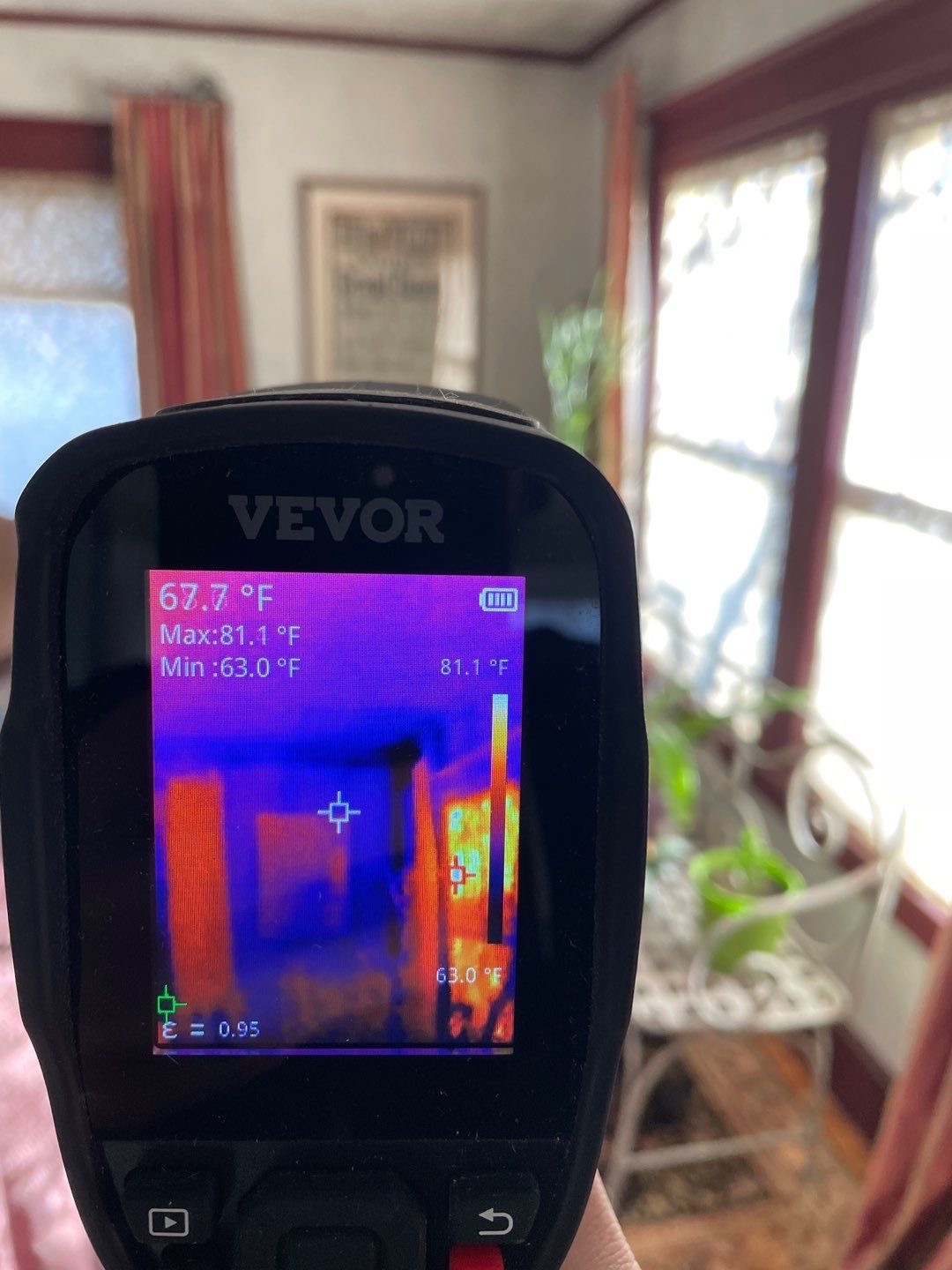
Here is a data point that does not get enough attention: heat pump performance and homeowner satisfaction are both significantly better in homes that also addressed insulation and air sealing.
A heat pump installed in a poorly insulated home has to work harder, runs longer cycles, and may struggle to keep up during the coldest weeks of winter. The same heat pump in a well-insulated home operates more efficiently, maintains more even temperatures, and costs less to run.
This is why we advocate for the whole-home approach: insulate and air seal first, then right-size the heat pump for the improved building envelope. Our guide on insulating before installing a heat pump covers the sequence in detail. The data from our own projects over 20+ years consistently shows that homeowners who do both see 30-50% better energy savings than those who do heat pumps alone.
What About the "Heat Pump Backlash" Stories?
You have probably seen national media coverage about heat pump complaints, problems in cold weather, or homeowners who regretted their purchase. Here is some context for those stories.
Most complaints involve standard (non-cold-climate) heat pumps installed in cold regions. A standard heat pump loses significant capacity below 30F. A cold-climate heat pump is a fundamentally different machine. This distinction matters, and it is the reason we only install cold-climate rated equipment.
Some complaints involve undersized systems. A single-zone mini-split cannot heat a whole house. If someone installed one unit and expected it to replace their furnace entirely, they were set up for disappointment. Proper sizing - ideally based on a Manual J load calculation - is essential.
A few complaints involve homes with poor building envelopes. A heat pump cannot overcome massive air leaks and missing insulation. The equipment is doing its job; the building is failing. This is an installation planning problem, not a heat pump problem.
Looking Ahead: Where Maine Goes From Here
Maine's goal of 100,000 heat pumps has been met and exceeded. The state's updated clean energy targets call for continued growth, aiming for 175,000 installations by 2027. Based on current adoption rates, that target appears achievable.
Several trends will influence the next phase of growth:
Refrigerant transition: New heat pumps now use R454B refrigerant instead of R410A, with lower environmental impact and comparable performance. Read more about the refrigerant change.
Grid investment: CMP and Versant are investing in grid infrastructure to support increased electric load from heat pumps and electric vehicles. This is critical for long-term reliability.
Rate design: How electricity is priced - flat rates versus time-of-use rates - will influence heat pump operating costs. Maine is beginning to explore rate structures that reward off-peak usage.
Building codes: Updated energy codes are raising insulation requirements for new construction, which will make heat pumps more effective in new homes from the start.
What This Means for Your Home
The numbers tell a clear story: cold-climate heat pumps work in Maine, they save money compared to oil and propane, and the vast majority of homeowners who install them are satisfied with the results. The key variables are proper sizing, cold-climate rated equipment, and - ideally - addressing the building envelope before or alongside the heat pump installation.
If you have been considering a heat pump but wanted to see more data before committing, 143,000 Maine installations is a pretty solid data set.
Want to see what heat pumps could do for your home? A free energy assessment is the starting point. We evaluate your home's current performance, identify where the biggest opportunities are, and give you honest recommendations tailored to your specific situation. Schedule yours today or call (207) 221-3221.
Find our guides faster: add Horizon Homes as a preferred source on Google.
Free Home Energy Assessment
Schedule Your Free Energy Assessment
We walk through your home, show you where energy is being lost, and give you a clear plan with pricing and rebates. No cost, no obligation.
- Free walkthrough, no equipment, no disruption
- Efficiency Maine rebates identified for you
- Written improvement plan with pricing
Schedule Your Free Assessment
We call within 1 business day.