How Often Should You Get a Home Energy Audit? (And When It Matters Most)
Most homes benefit from an energy assessment every 5 to 10 years. But that general answer misses the more useful one: there are specific moments when a home energy audit moves from "eventually" to "now." If any of the seven triggers below apply to your home, scheduling an assessment sooner will save you money and avoid decisions you'll regret.
Most contractors charge $300 to $500 for a traditional home energy audit with diagnostic testing. Horizon Homes offers a free energy assessment as an alternative: a certified advisor walks through your home, identifies the highest-impact problems, and gives you a prioritized plan with real pricing and Efficiency Maine rebates already deducted. About two hours, no cost, no obligation. The difference between an energy audit and an energy assessment is worth understanding before you book either one.
Here are the seven situations when a home energy audit makes the most sense.
1. Before You Replace Your Heating System
If you're planning to replace a furnace, boiler, or add a heat pump, get an energy assessment first. Here's why this order matters:
Your heating system was sized for your home as it exists today - with all its air leaks, inadequate insulation, and thermal losses. If you seal and insulate your home before installing a new system, you can often right-size to a smaller, less expensive unit and be more comfortable than you were before. Installing the new system first, then weatherizing, means you sized to a leaky house and now have an oversized system in a tighter one.
A home energy audit before a heating system replacement can also clarify whether a heat pump is the right call for your specific home. Some Maine homes with significant envelope problems are not good candidates until the envelope is addressed. Getting the assessment first gives you that picture before you commit to equipment.
More on why insulation comes before a heat pump in Maine.
2. After a Major Renovation
Additions, new windows, roof work, finished basements - any significant change to your home's structure can alter how the building envelope performs. Sometimes for the better, often not.
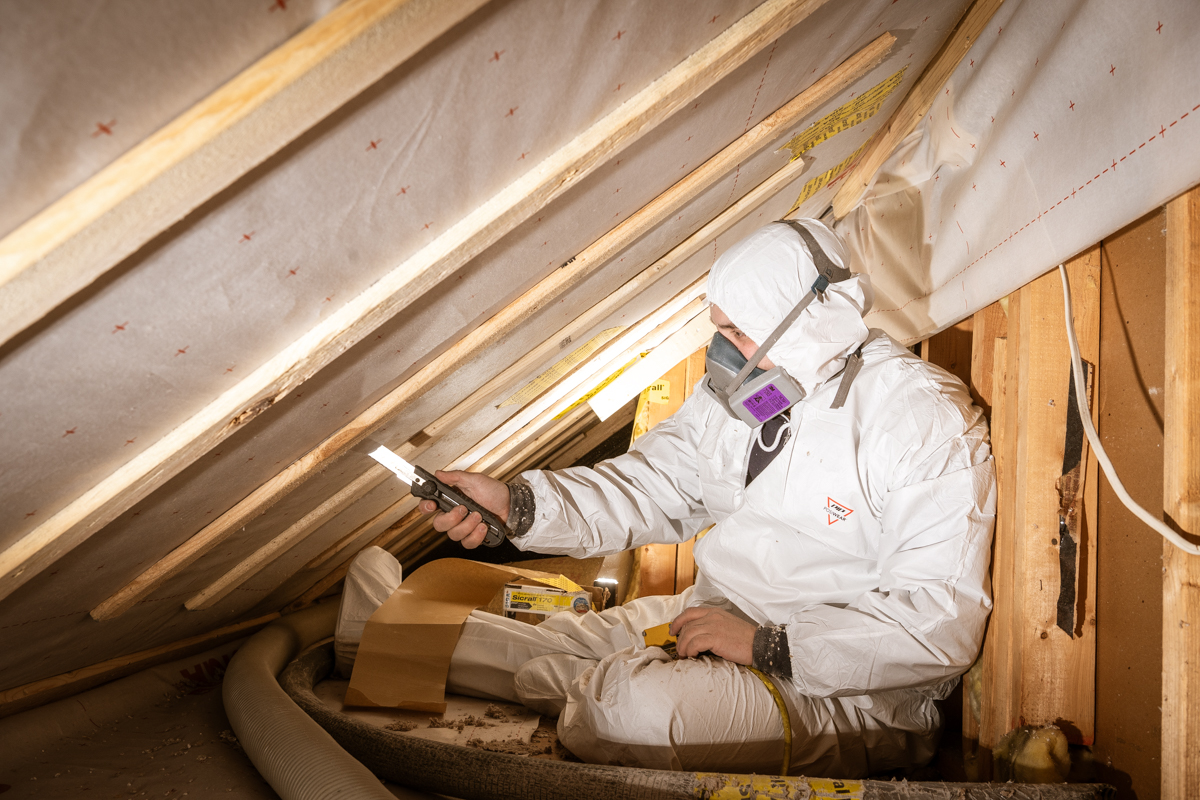
New windows installed without addressing the rough opening air sealing often improve the glass but do nothing about infiltration at the frame. A finished basement changes the thermal dynamics of the whole house. An addition changes the stack effect. A home energy audit after a major renovation gives you a current picture of what's actually happening, rather than assumptions based on the old version of the house.
This is one of the most overlooked triggers. Homeowners who renovated three years ago and still have comfort problems often assume the renovation didn't fix the issues. Sometimes the renovation created new ones.
3. Before Selling Your Home
Documented energy improvements and a clear efficiency picture can help with a home sale in two ways.
First, if you've already done work - insulation, air sealing, a heat pump installation - an energy assessment from a certified advisor gives buyers documentation of what was done and a realistic sense of operating costs. That's more credible than a seller's estimate of heating costs.
Second, if you're selling a home that hasn't had efficiency work done, an energy assessment gives you a clear scope of what a buyer would need to address. You can either price accordingly or complete targeted improvements that are likely to increase value relative to their cost. Insulation and air sealing typically have some of the best return-on-investment of any improvement for resale in Maine's climate.
4. When You Notice Comfort Problems
Rooms that won't heat or cool. Cold floors. Walls that feel damp or cold to the touch in winter. Ice dams. These are symptoms, and a home energy audit is the diagnostic.
Comfort problems are the most common reason homeowners call us outside of routine scheduling. The problems are real - they're just not always where people think. A cold room in a 1960s ranch is usually an air sealing and insulation problem in the rim joist and exterior walls, not a heating system problem. Ice dams are almost always an attic insulation and ventilation problem. Addressing the symptom without understanding the source leads to repeat calls.
If your home has comfort problems you can't explain, a home energy assessment is the right starting point. What to expect from a Horizon Homes energy assessment.
5. When Your Energy Bills Spike Unexpectedly
A heating bill that's significantly higher than the previous year deserves investigation, especially if nothing obvious changed - you didn't get a new heating system, you didn't change your thermostat habits, and it wasn't a dramatically colder winter.
Unexplained bill spikes can indicate several things: a heating system that's degrading in efficiency, new air leaks from settling or small structural shifts, changes in how your home is used, or simply the cumulative effect of deferred weatherization catching up with you.
A home energy audit won't fix your bill directly, but it gives you an accurate picture of where the losses are and a prioritized path to addressing them. Our breakdown of what makes Maine heating bills high covers the most common culprits.
6. After Moving Into a New-to-You Home
When you buy a home, you inherit its efficiency problems. You typically don't know what insulation is in the walls (if any), whether the attic has been air sealed, how old the heating system is, or whether the previous owner noticed the comfort problems that will show up in January.
Getting a home energy audit early - ideally in the first winter or the first spring after you move in - gives you a baseline picture of the house before you commit to any major decisions. It can also help you prioritize improvements when you have limited renovation budget: knowing that the attic is the biggest source of heat loss tells you to do that before the new kitchen.
First-year homeowners often do improvements in the wrong order because they don't have the full picture. An energy assessment costs you two hours and gives you a roadmap for the next five to ten years.
7. If Your Last Assessment Was 5+ Years Ago and You Haven't Acted
This one is specifically for the homeowners who had an energy audit years ago, got the report, and then didn't do the work.
The report is still useful context, but a lot changes in five years. Insulation settles. Air leaks develop from structural movement and temperature cycling. Heating systems age. Rebate programs change - Efficiency Maine's programs are different today than they were in 2020 or 2021. Costs for specific improvements have shifted. Federal credits that existed a few years ago have expired.
A fresh energy assessment gives you a current picture, current pricing, and current rebates. If the recommended work from your previous audit was the right call then, it's almost certainly still the right call now - and the cost of not doing it has compounded over the years you've waited.
Signs You Need a Home Energy Audit Regardless of Timing
Beyond the seven triggers above, these specific signals mean an energy audit should move up the list:
- Ice dams forming on your roof in winter - almost always an attic problem
- Drafts you can feel around outlets, windows, or at floor level
- Humidity problems in winter: either too dry or condensation on cold surfaces
- Allergies or indoor air quality complaints that get worse in winter when the house is sealed up
- A heating system that runs constantly without reaching setpoint
None of these problems fix themselves. And they tend to get worse before they get better.
How Long Does a Home Energy Audit Take?
A traditional home energy audit with diagnostic equipment typically takes two to three hours for a standard Maine home. You get a written report afterward.
A free Horizon Homes energy assessment takes about two hours for a typical Maine home. We walk through the insulation, air sealing, heating system, mechanical ventilation, and any comfort problems you've noticed. At the end of the visit, you have a prioritized plan with specific improvements, real pricing, and Efficiency Maine rebates already calculated - not a diagnostic report that still requires a contractor estimate.
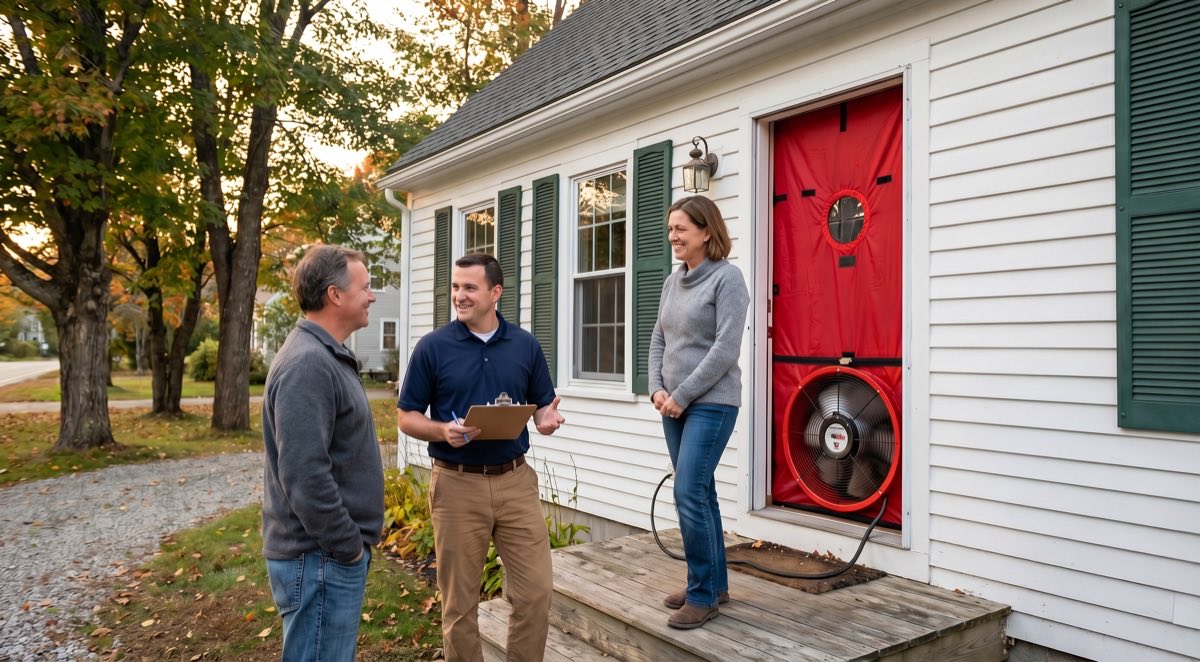
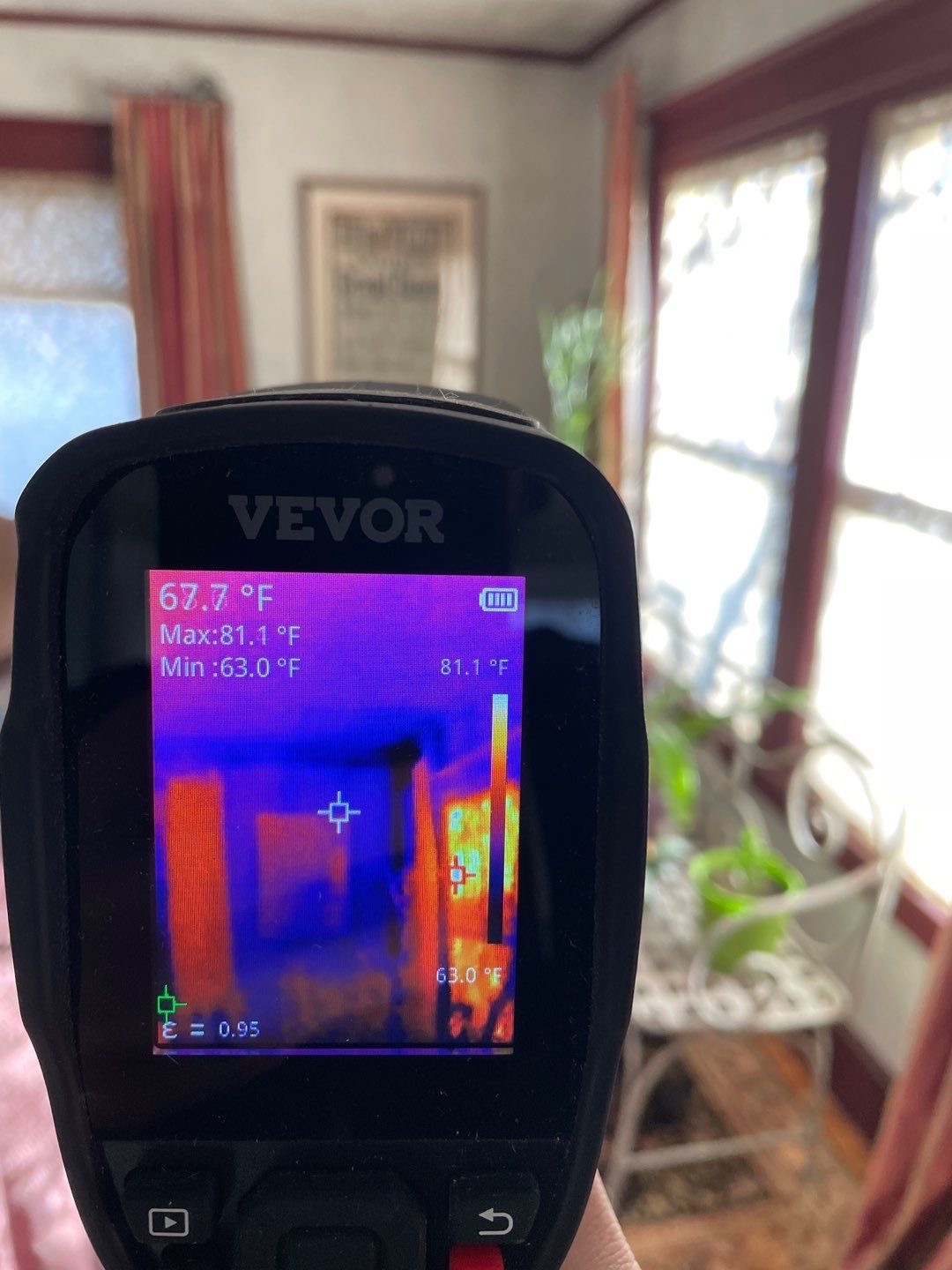
If you move forward with work, blower door testing and thermal imaging happen as part of the job itself. A baseline test at the start, targeted thermal scanning during the air sealing work, and a final blower door test at the end to verify the improvement. The diagnostic testing is built into the job, not billed separately.
How Often Is Often Enough?
The general answer: most homes benefit from a home energy assessment every five to ten years as a check on where things stand. The Maine climate is hard on buildings, and gradual changes are easy to miss until you have a bad winter.
The more useful answer: use the trigger framework above. If you're approaching a major decision - new heating system, sale, renovation, first winter in a new home - get an assessment before you make the decision, not after. That's when it changes what you do and saves you real money.
If none of those triggers apply and your last assessment was recent, you're probably fine to wait. If your last assessment was five-plus years ago and you haven't done the recommended work, schedule one. The window for acting on Maine's rebates and incentive programs is not permanent.
Check our fall energy checklist for Maine homeowners if you're getting ready for heating season. And if you're still deciding whether an assessment is worth your time, here's what homeowners actually find out and what it costs them not to know.
Schedule a Free Energy Assessment
A home energy assessment with Horizon Homes is free, takes about two hours, and gives you a clear plan for your specific home - not a generic recommendation. We've been an Efficiency Maine Top Contractor for 10+ years. We serve Greater Portland and surrounding communities.
Call (207) 221-3221 or schedule online. Most assessments are scheduled within one to two weeks.
Find our guides faster: add Horizon Homes as a preferred source on Google.
Free Home Energy Assessment
Ready to Lower Your Energy Bills?
We identify the improvements that will have the biggest impact on your home's energy use, with clear pricing and rebate estimates.
- Free walkthrough, no equipment, no disruption
- Efficiency Maine rebates identified for you
- Written improvement plan with pricing
Schedule Your Free Assessment
We call within 1 business day.