The Snow Is Gone. Here Is What It Revealed About Your Insulation

Editor's note (October 2026): Efficiency Maine changed its insulation and air sealing rebates for work completed on or after October 1, 2026. They are now a fixed amount per zone of the house (attic, walls, basement) instead of a percentage of project cost, and the Efficiency Maine rebate figures in this article are current as of October 2026. Amounts depend on household income and project scope. See current Efficiency Maine rebates.
Winter in Maine is hard on houses. But while the snow is on the roof, it hides the evidence. Once the last of it melts, usually sometime in March or early April, your home starts telling you what happened over the past four months.
If you know what to look for, the signs are hard to miss. And the two windows that matter most are the spring thaw, when the damage first shows, and the fall, when you still have time to seal and insulate before the next heating season starts.
At Horizon Homes, we've spent 20+ years inspecting Greater Portland homes after winter. Here is what we see most often and what it means for your insulation.
Staining Along the Eaves and Fascia
Walk around your house and look at the edge of the roof where it meets the gutters. If you see dark streaks, peeling paint, or soft spots on the fascia boards, you're looking at ice dam damage.
Ice dams form when heat escapes through your attic and melts snow on the upper portion of the roof. That meltwater flows down to the cold eaves, refreezes, and builds up a ridge of ice. Water backs up behind the dam and seeps under shingles, into the roof deck, and eventually into your walls and ceilings.
The staining you see now is evidence of that cycle repeating all winter. And it will happen again next winter unless you address the root cause: heat loss through the attic.
The fix is not a roofing repair. It's air sealing the attic floor and adding proper insulation so heat stays in your living space where it belongs.
Water Stains in the Attic
If you can safely access your attic, grab a flashlight and look at the underside of the roof deck. Dark spots, discoloration, or soft areas on the sheathing are signs that ice dam water reached the roof deck. Also look at the insulation itself. If you see wet or compressed areas, that insulation has lost much of its R-value.
While you're up there, check the depth of your existing insulation. Maine's building energy code (the 2021 IECC, in effect statewide since April 2025) calls for R-60 in the attic on new and major work, and a practical retrofit target is R-49 to R-50, which translates to roughly 14 to 16 inches of blown-in cellulose. Many older homes in the Portland area have six inches or less, and some have patchy coverage with gaps between joists. See our basement insulation guide for Maine for the other half of the envelope, the part most homeowners forget.
If you see any of these problems, they didn't start this winter. Your attic has probably been losing heat for years. The snow just made the damage visible.
Uneven Snowmelt Patterns (Before It All Melted)
You may have noticed this back in January or February: parts of your roof cleared of snow faster than others, while your neighbor's roof held snow evenly across the entire surface.
That uneven melt pattern is one of the clearest visual indicators of insulation problems. The areas that melt first are directly above heated spaces with the least insulation or the most air leakage. A well-insulated attic keeps the roof cold, so snow melts slowly and evenly from the sun, not from heat escaping below.
If you noticed this pattern on your home, make a note of where the melting started. When our team does a free energy assessment, those hot spots on the roof correlate directly to problem areas in the attic.
Peeling Exterior Paint
This one surprises homeowners. If the paint on your exterior siding is bubbling, peeling, or flaking, especially on the upper portions of the house, moisture is the likely cause. And that moisture often comes from inside.
In homes with poor air sealing, warm, humid air from kitchens, bathrooms, and living spaces migrates through walls and ceilings into cold cavities. When that moisture hits a cold surface, it condenses. Over time, it saturates the sheathing and pushes outward through the siding, lifting paint as it goes.
Repainting without addressing the moisture source is a temporary fix at best. Proper air sealing and insulation reduce the moisture migration and protect the exterior of your home as well as the interior.
Mold or Musty Smells in the Attic
If your attic smells damp or you can see dark patches on the framing, moisture has been condensing up there all winter. This happens when warm, moist air from the living space leaks into the attic through gaps around light fixtures, plumbing penetrations, the attic hatch, and the tops of interior walls.
Mold in the attic is a health concern, but it's also a building science problem with a clear solution. Air sealing the attic floor stops the moisture from getting there. Adding insulation reduces the temperature differential that drives condensation.
Think your attic might have moisture issues? Schedule a free energy assessment and we will take a look. Our assessment is a visual walkthrough of your home from attic to basement, identifying exactly where heat and moisture are escaping.
Do the Same Checks in Fall, Before the Heat Comes On
You do not have to wait for snowmelt. Fall is the other window that matters, and in some ways it is the more important one, because it is your last chance to fix problems before the heating season starts.
The single highest-value fall task is finding your attic bypasses. A bypass is any gap that lets warm air leak straight from your living space into the attic: the space around plumbing stacks and wiring holes, the tops of interior walls, recessed light housings, the attic hatch, and the chimney chase. On a cold morning you can often feel the warm air rising through them. Sealing those bypasses first, then topping up insulation, is what stops the ice dam cycle before winter starts it again.
A quick fall walkthrough: on the first cold night, hold your hand near the attic hatch and around ceiling fixtures for drafts, then get into the attic with a flashlight and look for dark, dirty streaks in the insulation. Those stains are dust filtered out of escaping air. They mark your bypasses better than any tool.
What You Can Do Right Now
Spring and fall are both good windows for this kind of work. The weather is mild, contractor schedules haven't filled up yet, and you have time to plan and complete improvements before the heating season. If you are weighing whether to hire a professional or tackle air sealing yourself, see our breakdown: DIY vs. hiring an air sealing contractor in Maine.
Here is a simple checklist for the next dry afternoon:
- Walk the perimeter. Look for ice dam evidence along the eaves, fascia damage, and paint peeling on upper stories.
- Check the attic. Look for water stains on the roof deck, measure insulation depth, and note any gaps or compressed areas.
- Check the basement. Look at the rim joist area (where the house framing meets the foundation). If you can see daylight or feel cold air, it's uninsulated and unsealed.
- Review your heating bills. If your costs climbed this winter despite similar temperatures, your home's thermal performance may be declining.
If you find any of these signs, the next step is getting a professional assessment.
Why These Problems Get Worse Over Time
Insulation doesn't last forever in the way homeowners expect. Blown-in cellulose holds up well for decades, but older fiberglass batts compress, shift, and lose R-value over time. Moisture accelerates the process. And air leaks tend to grow as a house settles.
The result is a slow, steady increase in heat loss year over year. Many homeowners don't notice because the change is gradual, until a hard winter exposes the full extent of the problem.
This is also why the "wait and see" approach costs more in the long run. Every winter that passes without addressing the envelope is another winter of elevated heating bills, ice dam risk, and moisture damage. The damage accumulates.
What Horizon Homes Can Do
We've been insulating and air sealing homes across southern Maine since 2006. We're an Efficiency Maine Top-Rated Vendor for 10+ years, and every project we do starts with understanding your specific home.
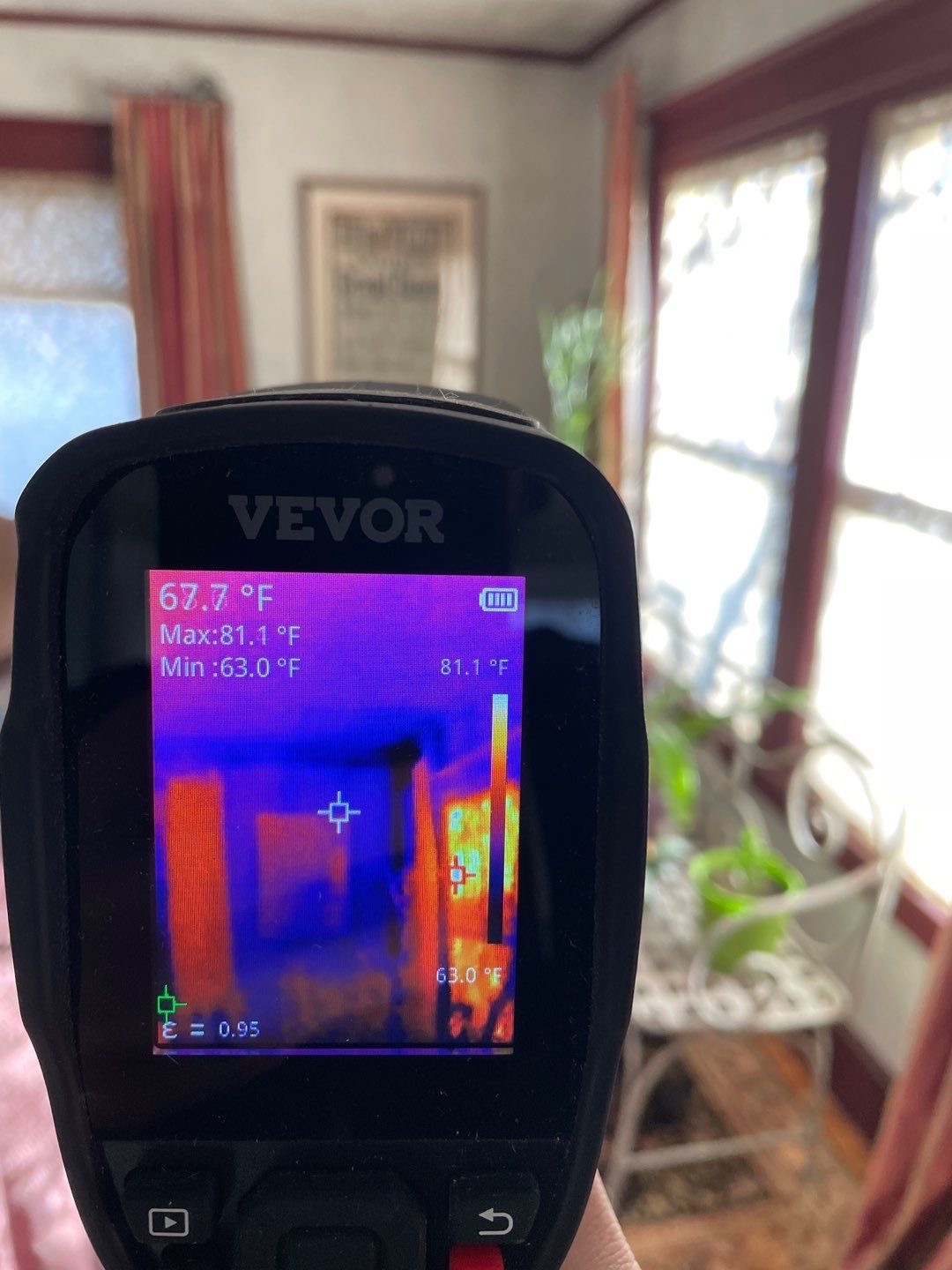
Our free energy assessment is a thorough visual walkthrough, about an hour of going through your home from attic to basement. No diagnostic equipment, no obligation, no pressure. We identify every area where your home is losing heat, then give you a prioritized plan with clear costs and rebate estimates.
For insulation work, we use blown-in cellulose as our primary material. It fills irregular cavities, resists air movement, and delivers consistent performance for decades. For basements, we use polyiso rigid foam board on flat foundation walls. And for specific situations like rubble basements or crawlspaces, we coordinate subcontracted spray foam where cellulose can't do the job.
Under Efficiency Maine's program, rebates for work completed on or after October 1, 2026 are a fixed dollar amount per zone of the house (attic, walls, or basement) that depends on household income and zone size. A large zone of 500 sq ft or more pays $2,000 at the any-income tier, $3,000 at moderate income, and $4,000 at low income, with smaller air sealing amounts on top, up to a lifetime limit of $8,600 per home. Pair the weatherization with a heat pump in the same project and Efficiency Maine adds a $500 whole-home bonus on claims postmarked through December 31, 2026. Financing through Efficiency Maine Green Bank is also available, starting at 0% APR.
Don't Wait for Next Winter to Tell You Again
The snow told you something this spring. The ice dam scars, the water stains, the drafts you felt all winter - these are your home asking for help.
Call Horizon Homes at (207) 221-3221 or schedule a free energy assessment online. We serve Portland, South Portland, Westbrook, Scarborough, Falmouth, Cape Elizabeth, and communities across Greater Portland.
Whether it is spring snowmelt or a cold fall morning, the message is the same. Your home has already shown you where to start, and the time to act is before the next heating season, not during it.
Find our guides faster: add Horizon Homes as a preferred source on Google.
Free Home Energy Assessment
Dealing With This in Your Home?
Most comfort problems trace back to insulation, air sealing, or heating system issues. A free walkthrough identifies the root cause.
- Free walkthrough, no equipment, no disruption
- Efficiency Maine rebates identified for you
- Written improvement plan with pricing
Schedule Your Free Assessment
We call within 1 business day.