Air Sealing Knee Walls in Maine Cape Cods
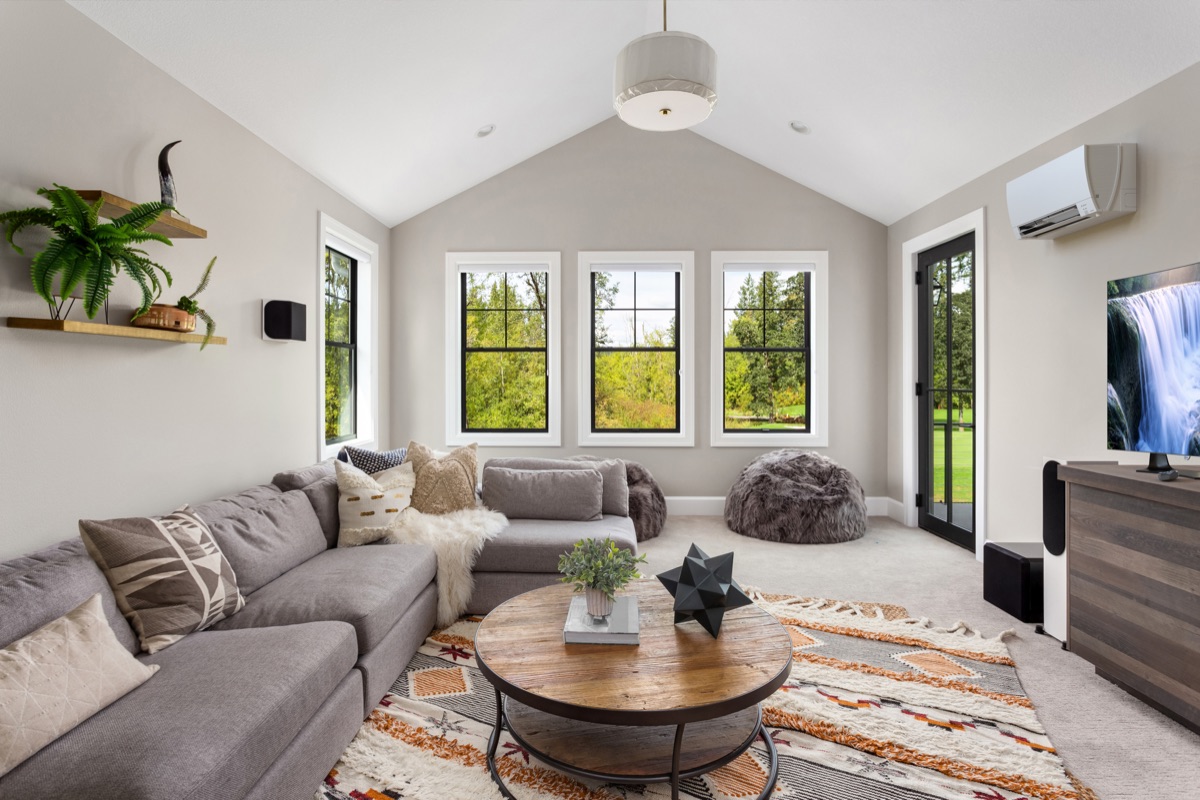
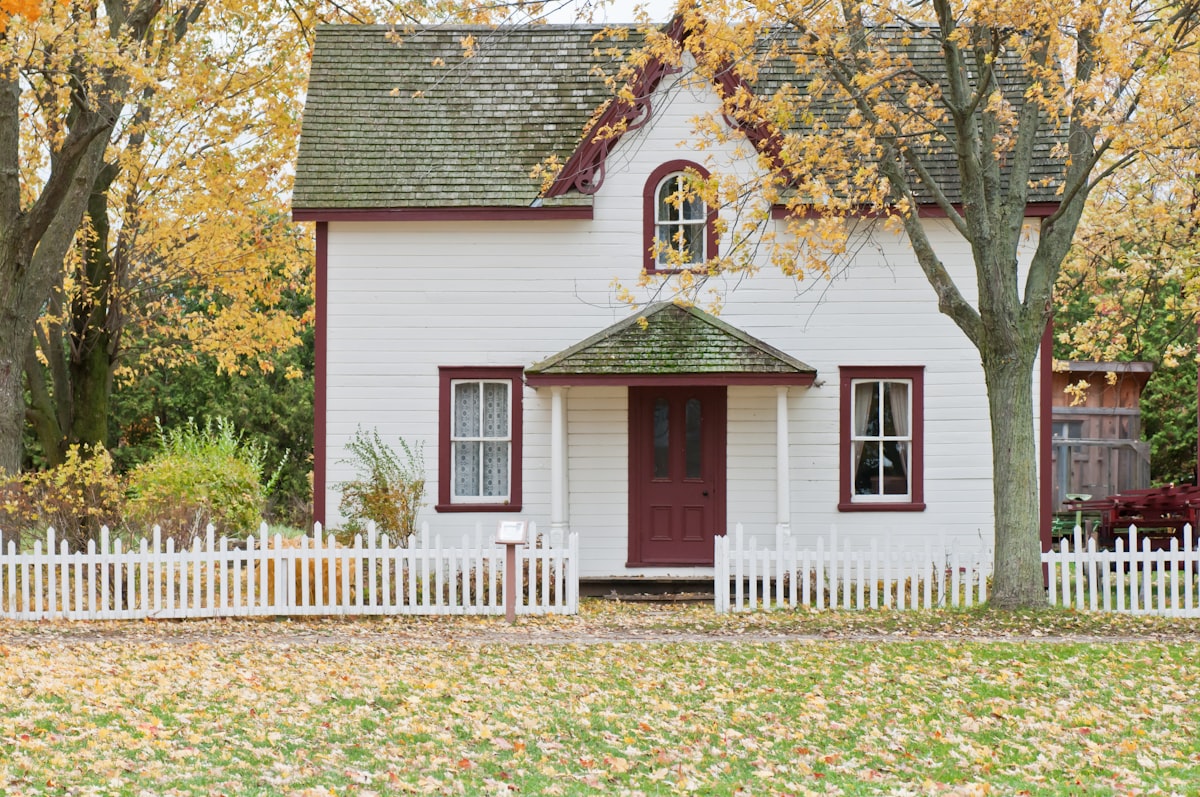
If you live in a Cape Cod-style home in Maine, you already know the upstairs rooms have a mind of their own. Too hot in summer, too cold in winter, and somehow drafty year-round. You have tried heavier curtains, space heaters, window film. Nothing quite fixes it.
The problem is almost always the knee walls. These short walls where the roof slope meets the second-floor living space separate your heated rooms from unheated attic spaces, but in most Maine Cape Cods built before 1990, they do a terrible job of it. After 20+ years since 2006, we can say knee walls are the single most common cause of comfort problems in 1.5-story homes - and one of the most fixable.
What Knee Walls Are and Why They Exist
A Cape Cod (or any 1.5-story home) has a roof that slopes down on both sides. The second-floor rooms are built within that roof structure. At some point on each side, the sloped ceiling meets a short vertical wall - usually 3 to 5 feet tall - that separates the finished room from the triangular attic space behind it.
That short vertical wall is the knee wall. Behind it is an unheated, unfinished triangular space that runs the full length of the house. This space is open to the roof structure above and usually connects to the flat attic space above the second-floor ceiling.
In a well-built home, the knee wall would be insulated, air sealed, and treated as part of the building envelope - the boundary between inside and outside. In most Maine Cape Cods, especially those built in the 1950's through 1980's, the knee wall is none of those things.
Why Knee Walls Leak: The Three-Part Problem
The knee wall assembly has three components that all need to work together, and all three typically fail:
1. The Knee Wall Itself
The wall is usually framed with 2x4 studs and insulated with fiberglass batts. In many homes, the batts are installed backward (kraft paper facing the wrong way) or have fallen out of the cavities entirely. Even when the batts are in place, fiberglass does almost nothing to stop air movement. Wind from the attic space behind the wall blows right through the batts, carrying the heat away.
2. The Floor Behind the Knee Wall
The floor joists behind the knee wall are open on both ends - one end opens to the room below, the other connects to the exterior wall at the eaves. Cold air enters through the soffit vents, travels through the joist cavities, and gets into wall cavities of the rooms below. This is called "wind washing," and it bypasses your insulation entirely.
3. The Attic Space Connections
The triangular space behind the knee wall usually connects to the flat attic above the second-floor ceiling. If that attic has soffit vents (it should, for moisture control), then the entire space behind the knee wall is essentially outdoor air in winter. Your knee wall is the only thing between your bedroom and outdoor temperatures - and as we just described, it is doing a poor job.
How We Fix Knee Walls: The Blocking and Sealing Approach
The key to fixing a knee wall is not just adding more insulation - it is creating a continuous air barrier that stops air from moving through and around the insulation. Here is our step-by-step approach:
Step 1: Assess the Full Assembly
From behind the knee wall, we check insulation condition, whether floor joist cavities are open or blocked, air pathways to the flat attic above, roof sheathing condition, and any mechanical systems running through the space. This determines whether the scope is simple blocking and sealing or a fuller project including new insulation.
Step 2: Block the Floor Joist Cavities
This is the most critical step and the one most often skipped by other contractors. Each floor joist cavity that is open at the knee wall gets a rigid block - a piece of rigid foam board or OSB cut to fit snugly in the cavity between the joists.
The block is pushed into the cavity at the plane of the knee wall (or slightly behind it) and sealed on all edges with foam or caulk. This stops cold air from traveling through the joist cavities and wind-washing the insulation in the walls and floors.
For a typical Cape Cod, we install 15 to 25 of these blocks on each side of the house. It is tedious, hands-and-knees work in a cramped space, but it is the single most impactful thing you can do for a knee wall.
Step 3: Seal the Top and Bottom of the Knee Wall
Where the knee wall meets the ceiling (the sloped rafter bay above) and the floor (the joist space below), there are gaps that allow air to bypass the wall entirely. We seal these intersections with foam, caulk, or rigid blocking, depending on the size of the gap.
The top of the knee wall is especially important because warm air rising through the wall cavity exits here and enters the attic space above. Sealing this joint stops the chimney effect that drives air movement through the wall.
Step 4: Insulate the Knee Wall Properly
With the air barrier in place (blocking in the joist cavities, sealing at top and bottom), insulation can actually do its job. We have two approaches depending on the situation:
Dense-packed cellulose in the wall cavities. Our preferred method. Cellulose fills every gap, does not sag or settle, and resists air movement through the material. Unlike fiberglass batts, it stays in place and performs consistently.
Rigid foam board on the attic side. For shallow cavities (2x4 framing gives only R-13), we add rigid foam to the attic side to increase total R-value and eliminate thermal bridging through the studs.
Step 5: Address the Sloped Ceiling (Rafter Bays)
The sloped ceiling between the knee wall and the flat ceiling above is often another weak point. We insulate these rafter bays with dense-packed cellulose, maintaining a ventilation channel between the insulation and the roof sheathing with proper baffles. This airflow from soffit to ridge is essential for moisture control and preventing ice dams.
Step 6: Verify with Diagnostic Testing
After completing the blocking, sealing, and insulation work, we test the results. A blower door test measures the air leakage reduction. Infrared thermography confirms that the air barrier is continuous and the insulation is performing.
Knee wall projects typically reduce total house air leakage by 10 to 20 percent and make a dramatic difference in the comfort of second-floor rooms. Homeowners consistently tell us it feels like a different house upstairs.
Every Cape Cod is different. A free energy assessment will tell you exactly what your knee walls need. Call (207) 221-3221 to schedule.
Why This Is Not a DIY Project
Without blower door testing and thermal imaging, you cannot see where all the air pathways are or verify your work fixed them. We have seen DIY projects where homeowners added insulation batts but left floor joist cavities wide open. The new insulation made almost no difference because cold air was still wind-washing from behind. The blocking and sealing work is what makes the insulation effective.
What Knee Wall Air Sealing Costs
Professional knee wall blocking, sealing, and insulation: $3,000 to $6,000 for a typical Maine Cape Cod, depending on the length of the knee walls, the number of joist bays, and whether the rafter bays also need work.
Homeowners with knee wall problems typically see heating cost reductions of $400 to $1,000 per year, and the comfort improvement is immediate.
Efficiency Maine offers rebates on air sealing and insulation work that can reduce your cost substantially. Income-qualified homeowners may receive enhanced incentives. Visit our rebates page for details.
Start with an Assessment
Every Cape Cod is different. The age of the house, the quality of the original construction, the existing insulation, and the mechanical systems all affect what needs to be done and what it will cost. The only way to know is to have someone look.
Schedule a free energy assessment or call (207) 221-3221. We will evaluate your knee walls from both sides, test the air leakage, scan with infrared, and tell you exactly what is happening and what it will take to fix it. We have been working on Maine Cape Cods since 2006, and this is one of the problems we know best.
Related Guides
- Attic Hatch Air Sealing Guide for Maine Homes - The access point to your attic is likely leaking too.
- Air Sealing Recessed Lights in Maine Homes - Recessed lights in sloped ceilings near knee walls are especially problematic.
- Chimney Chase Air Sealing in Maine Homes - Chimneys passing through knee wall attic spaces need fire-safe sealing.
- Sealing Plumbing and Wiring Penetrations - Penetrations through the knee wall floor are part of the hidden air leak network.
- Sill Plate Air Sealing for Maine Homes - Complete the envelope by sealing at the foundation too.
Find our guides faster: add Horizon Homes as a preferred source on Google.
Free Home Energy Assessment
Ready to Lower Your Energy Bills?
We identify the improvements that will have the biggest impact on your home's energy use, with clear pricing and rebate estimates.
- Free walkthrough, no equipment, no disruption
- Efficiency Maine rebates identified for you
- Written improvement plan with pricing
Schedule Your Free Assessment
We call within 1 business day.