Weatherization for Westbrook, Maine Homes
A homeowner on Cumberland Street called us last fall. She had bought her home two years earlier - a 1920's workers' cottage, about 1,100 square feet, in one of the neighborhoods between Main Street and the Presumpscot River. Her oil bill the previous winter was over $4,200. The house was drafty in every room. Her kids' bedrooms on the second floor were cold enough that she kept a space heater running in each one from November through March.
We told her we could be there in fifteen minutes. Our shop is at 865 Spring St, about a mile away.
That proximity is not a coincidence. We have been headquartered in Westbrook since 2006, and over 20+ years of insulating and weatherizing homes across Greater Portland, we have done more work in Westbrook than in any other single city. We know the housing stock. We know the neighborhoods. We know the specific energy challenges that Westbrook homeowners deal with - because we drive past them on our way to work every morning.
Westbrook's Housing Stock: A City Built Around the Mills
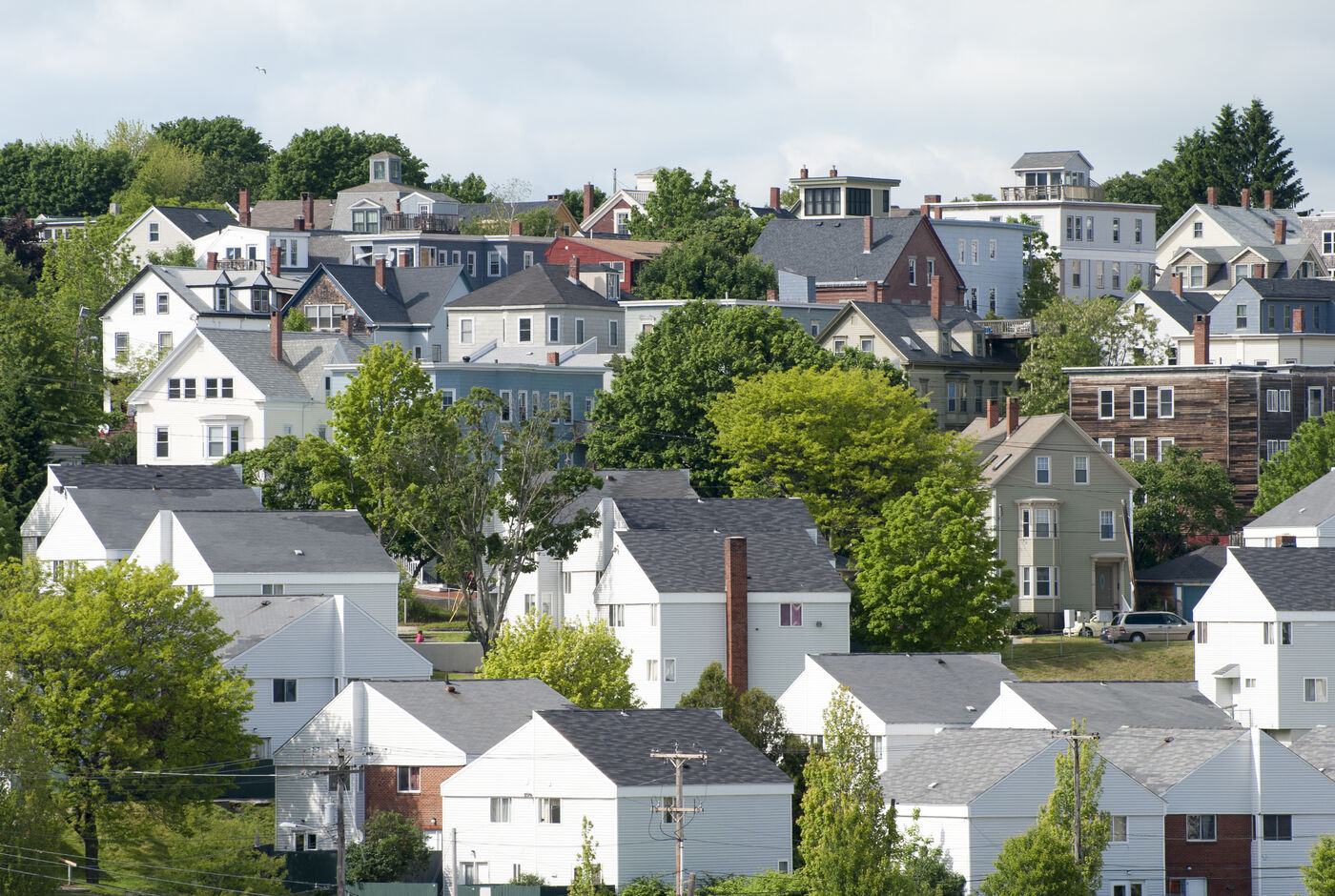
Westbrook's residential neighborhoods were shaped by the paper mills and textile mills along the Presumpscot River. The S.D. Warren mill (now Sappi) was the economic engine that built most of the housing in the city center, and that history shows up in the homes we work on every week.
Workers' Cottages and Small Capes (1880's-1930's)
The neighborhoods closest to the mills - along Cumberland Street, Brackett Street, Lamb Street, and the streets between Main and the river - are filled with small, tightly-spaced homes built for mill workers and their families. These are typically 900-1,400 square feet, one-and-a-half or two stories, with balloon-frame construction, clapboard siding, and fieldstone or brick foundations.
Energy challenges we see consistently in these homes:
- No original insulation. Most were built with empty wall cavities and no attic insulation. Whatever insulation exists was added later - sometimes blown-in, sometimes batts laid over the attic floor, often incomplete.
- Balloon-frame walls. The wall cavities are open from foundation to attic, acting as chimneys that carry warm air up and out of the house. Air sealing the top plates where the walls meet the attic is critical in these homes.
- Fieldstone foundations. Irregular stone-and-mortar foundations cannot be insulated with rigid board. These are the situations where we subcontract closed-cell spray foam to create a continuous insulated barrier on the foundation walls.
- Small rooms, many partitions. The floor plans in these homes were divided into small rooms for heat efficiency (close the door, heat one room at a time). Today, that means more partition walls, more penetrations in the building envelope, and more air leakage paths to seal.
Triple-Deckers (1900's-1930's)
Westbrook has a significant number of triple-decker apartment buildings, concentrated in the neighborhoods around Main Street and Bridge Street. These three-story, three-unit buildings present unique weatherization challenges:
- Three separate heating systems. Each unit typically has its own heating system, but the building envelope is shared. Heat loss through uninsulated common walls between units is less of a concern, but heat loss through the exterior walls and roof affects all three units.
- Shared attic. The top-floor unit bears the brunt of attic heat loss. We regularly hear from third-floor tenants whose heating bills are 40-60% higher than the units below them.
- Coordination between units. Insulation work on a triple-decker requires access to the attic (usually from the third floor) and sometimes to the basement (for rim joist work). When we work with landlords who own the whole building, we can address the full envelope in one project.
Post-War Ranches and Capes (1940's-1970's)
The neighborhoods farther from downtown - along Spring Street, Forest Street, and toward the Gorham line - have more of the ranch and Cape Cod homes built during the post-war suburban expansion. These homes have the same energy issues we see in South Portland and Portland: thin attic insulation, uninsulated walls, and knee wall problems in the Capes.
What Weatherization Actually Means
"Weatherization" is a broad term, and it means different things to different people. When we talk about weatherizing a Westbrook home, we mean a specific sequence of work designed to reduce heat loss, improve comfort, and lower energy bills:
1. Air Sealing
Before we add any insulation, we seal the air leaks. In most Westbrook homes, the biggest air leakage sites are:
- Attic floor penetrations - gaps around wires, pipes, chimneys, and light fixtures where air escapes into the attic
- Balloon-frame wall tops - open wall cavities that vent directly into the attic
- Rim joists - the framing at the top of the foundation wall, typically full of gaps and cracks
- Basement/foundation sill - where the wood framing meets the masonry foundation
Air sealing alone can reduce a home's heating load by 15-25%. It is the single most cost-effective energy improvement in most pre-1970's homes.
2. Insulation
Once the air leaks are sealed, we add insulation where it is missing or insufficient.
Attic: We blow cellulose insulation over the attic floor to reach R-49 or higher. Cellulose is 85% recycled newspaper, has a Class 1 fire rating, zero off-gassing, and delivers consistent performance for 30+ years. For Cape Cod-style homes, we also address the knee walls and rafter cavities.
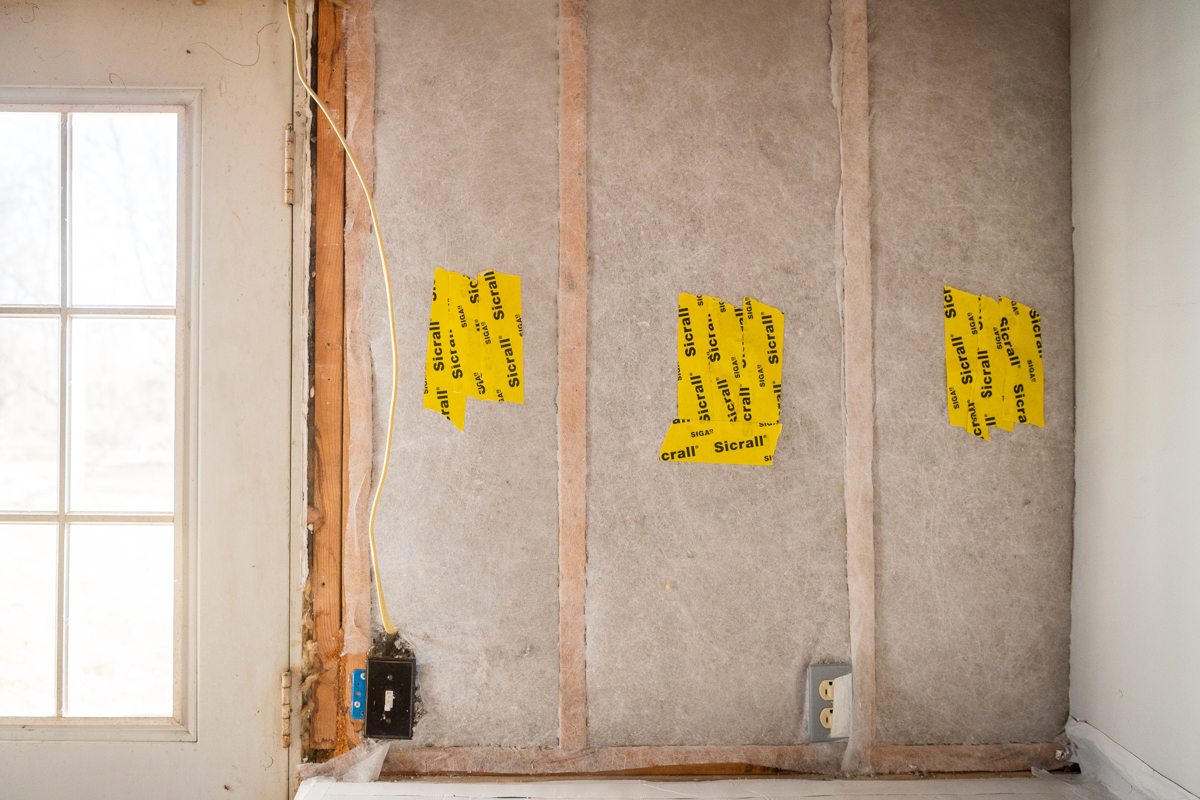
Walls: We blow dense-pack cellulose into exterior wall cavities through small holes drilled in the siding or interior wall surface. Dense-pack cellulose fills the cavity completely, provides R-13 to R-15 in a standard 2x4 wall, and restricts air movement through the wall assembly.
Foundation/Rim Joist: We insulate the rim joist with foam and rigid board. For foundation walls, we use polyiso rigid foam on flat concrete or subcontract spray foam for rubble stone.
3. Mechanical Upgrades
With the envelope tightened and insulated, the home needs less energy to heat and cool. This is where cold-climate heat pumps enter the picture. A weatherized home can be heated with a smaller, less expensive cold-climate heat pump system than the same home before weatherization.
For Westbrook homeowners still on oil heat, the combination of weatherization plus a cold-climate heat pump conversion can reduce total heating costs by 40-60%, depending on the starting condition of the home and the current fuel costs.
Real Numbers From Westbrook Projects
Here is what weatherization looks like in terms of actual costs and savings on homes similar to the ones in our neighborhood:
1920's Workers' Cottage (1,100 sq ft):
- Scope: Attic insulation to R-49, dense-pack walls, air seal attic and rim joists, spray foam on rubble stone foundation
- Cost: $8,000-$12,000 before rebates
- Estimated heating savings: 35-50% reduction in annual heating cost
- Payback: 3-6 years depending on fuel type and rebate level
1950's Cape Cod (1,400 sq ft):
- Scope: Attic and knee wall insulation, dense-pack walls, air seal attic floor and rim joists, rigid foam on basement walls
- Cost: $6,000-$10,000 before rebates
- Estimated heating savings: 30-45% reduction in annual heating cost
- Payback: 3-5 years depending on fuel type and rebate level
Triple-Decker (full building, 3 units):
- Scope: Attic insulation, dense-pack exterior walls, air seal attic and rim joists
- Cost: $15,000-$22,000 before rebates for the full building
- Estimated heating savings: 25-40% per unit
- Payback: 4-7 years (often offset by ability to reduce tenant heating allowances or attract tenants with lower utility costs)
These ranges depend on the specific conditions in each home. Every project starts with a free energy assessment where we measure what is there and calculate what needs to be added.
Efficiency Maine Rebates for Westbrook Homeowners
Efficiency Maine rebates reduce the out-of-pocket cost of weatherization and cold-climate heat pump installations. The specific rebate amounts are income-dependent - some households qualify for standard incentives, while others qualify for enhanced rebates that cover a larger portion of the work.
As an Efficiency Maine Top Contractor for 10+ years, we handle the rebate paperwork as part of every project and apply the rebates directly to your invoice. You do not pay the full amount and wait for reimbursement. See our Efficiency Maine rebates page for current details.
We Are Your Neighbors
This matters more than it might seem. When you call a contractor from across the state, they give you a quote and move on. When you call us, you are calling a company that has been at 865 Spring St for nearly two decades. Our crew members live in Westbrook, Gorham, Windham, and the surrounding towns. We have worked on homes on nearly every street in the city.
That local knowledge translates to practical advantages. We know which Westbrook neighborhoods have balloon framing versus platform framing. We know which streets have rubble stone foundations. We know the common floor plans in the mill-era cottages because we have been inside hundreds of them. That experience means fewer surprises, more accurate estimates, and work that addresses the real problems in your specific home.
Getting Started
If you own a home in Westbrook and you are tired of high heating bills, drafty rooms, or a second floor that is always too cold, the first step is a free energy assessment.
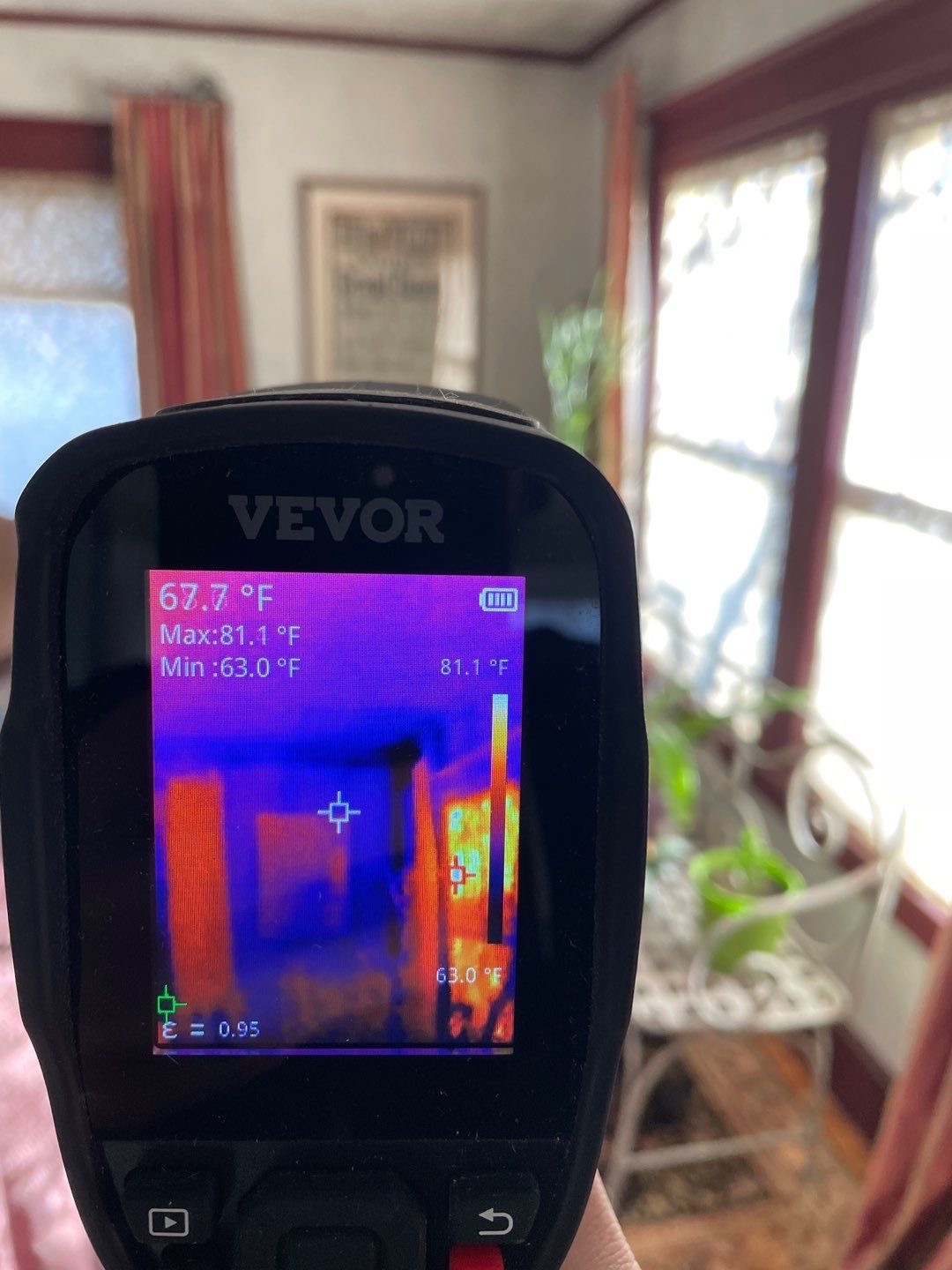
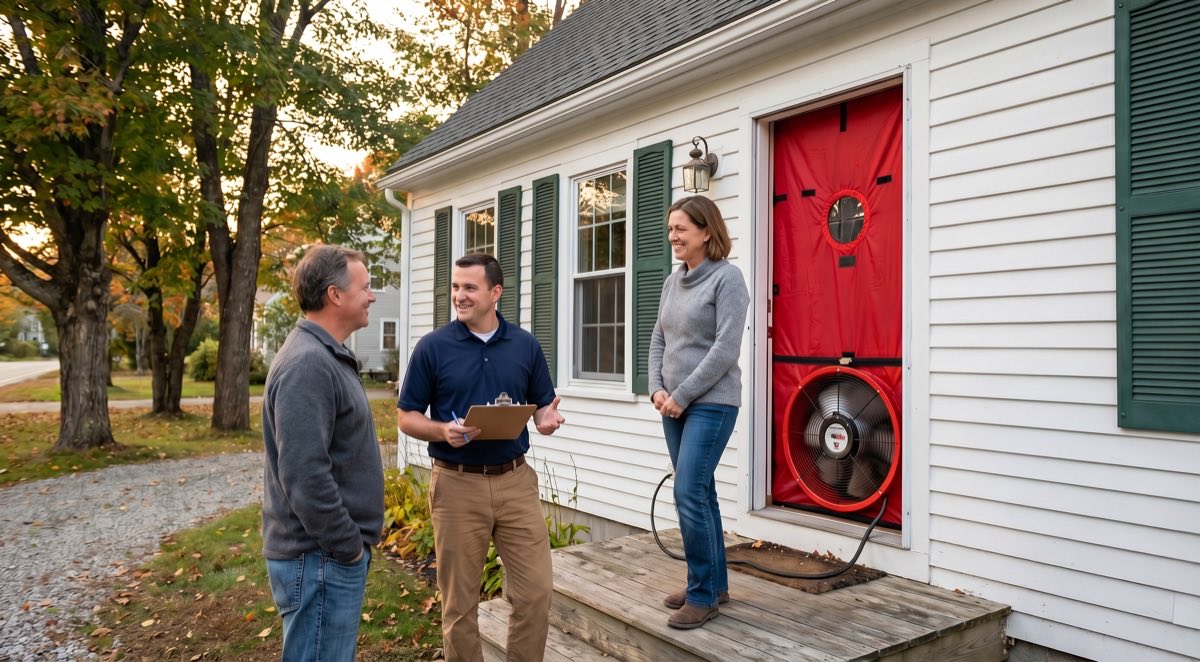
We will walk through your home, check the attic, look at the foundation, and give you a clear picture of where the heat is going and what it takes to keep it inside. There is no sales pitch and no obligation.
Call us at (207) 221-3221 or schedule your free assessment online. We are right down the road.
Find our guides faster: add Horizon Homes as a preferred source on Google.
Free Home Energy Assessment
Ready to Lower Your Energy Bills?
We identify the improvements that will have the biggest impact on your home's energy use, with clear pricing and rebate estimates.
- Free walkthrough, no equipment, no disruption
- Efficiency Maine rebates identified for you
- Written improvement plan with pricing
Schedule Your Free Assessment
We call within 1 business day.