The 5 Best Energy Efficient Home Improvements for Maine Homes (2026)
Editor's note (October 2026): Efficiency Maine changed its insulation and air sealing rebates for work completed on or after October 1, 2026. They are now a fixed amount per zone of the house (attic, walls, basement) instead of a percentage of project cost, so the insulation rebate figures, combined totals, and cost examples below reflect the program when this article was published. See current Efficiency Maine rebates.
Maine has the oldest housing stock in the country by median age, and some of the highest heating costs in the lower 48. Those two facts are connected. Older homes leak heat through thin insulation, unsealed gaps, and outdated heating equipment. The result is energy bills that feel like a second mortgage every winter.
The good news is that energy efficient home improvements can cut those costs by 30-50% in many older Maine homes. The key is doing them in the right order, because each improvement builds on the one before it.
Here are the five upgrades that deliver the most impact for the money, based on hundreds of energy assessments we have performed across Greater Portland.
1. Air Sealing: The Foundation of Every Other Improvement
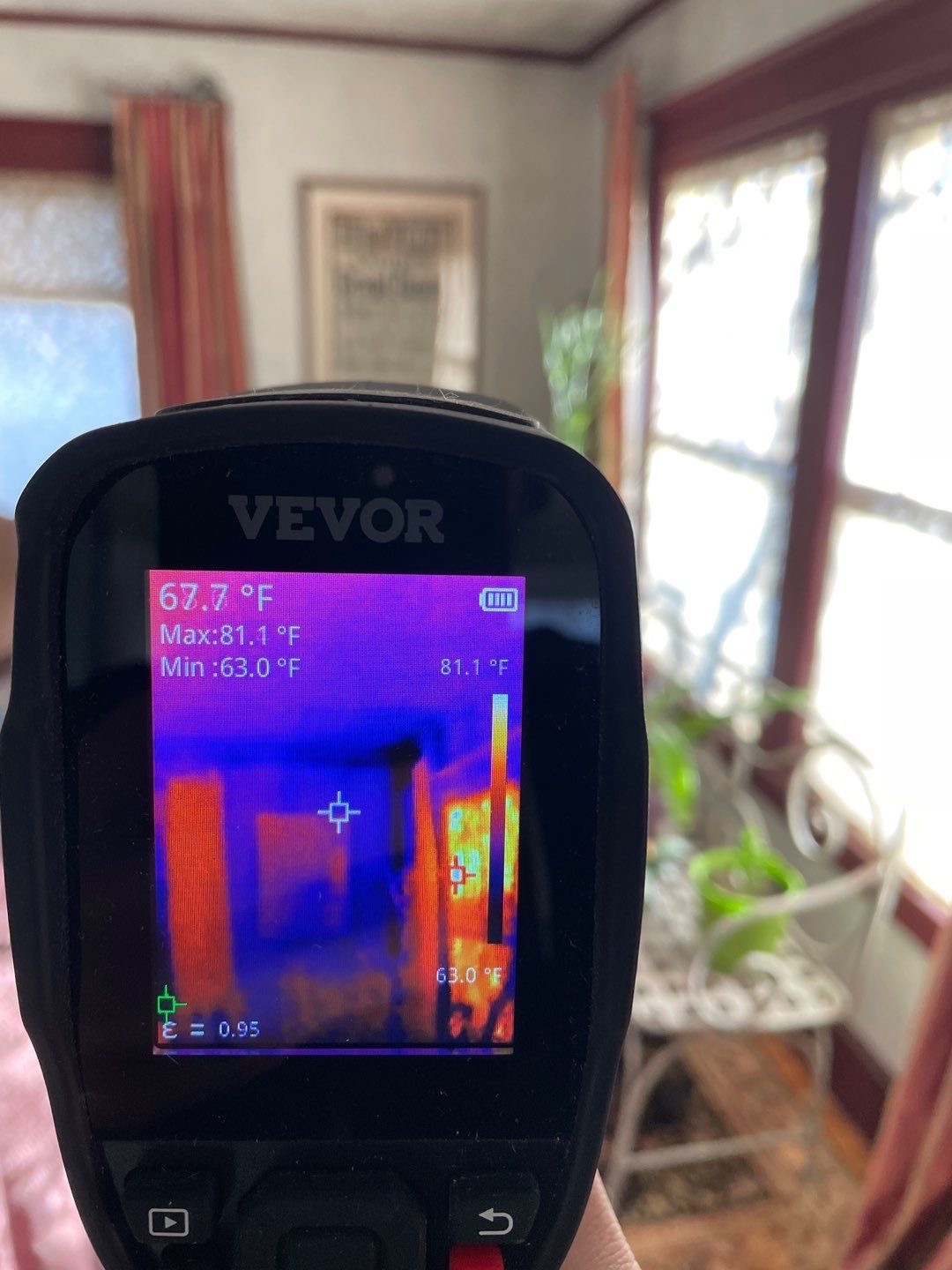
Most Maine homes lose 25-40% of their conditioned air through gaps, cracks, and penetrations in the building envelope. Not through windows. Through the dozens of small openings around wiring, plumbing, recessed lights, and attic hatches that connect your heated living space to the outdoors.
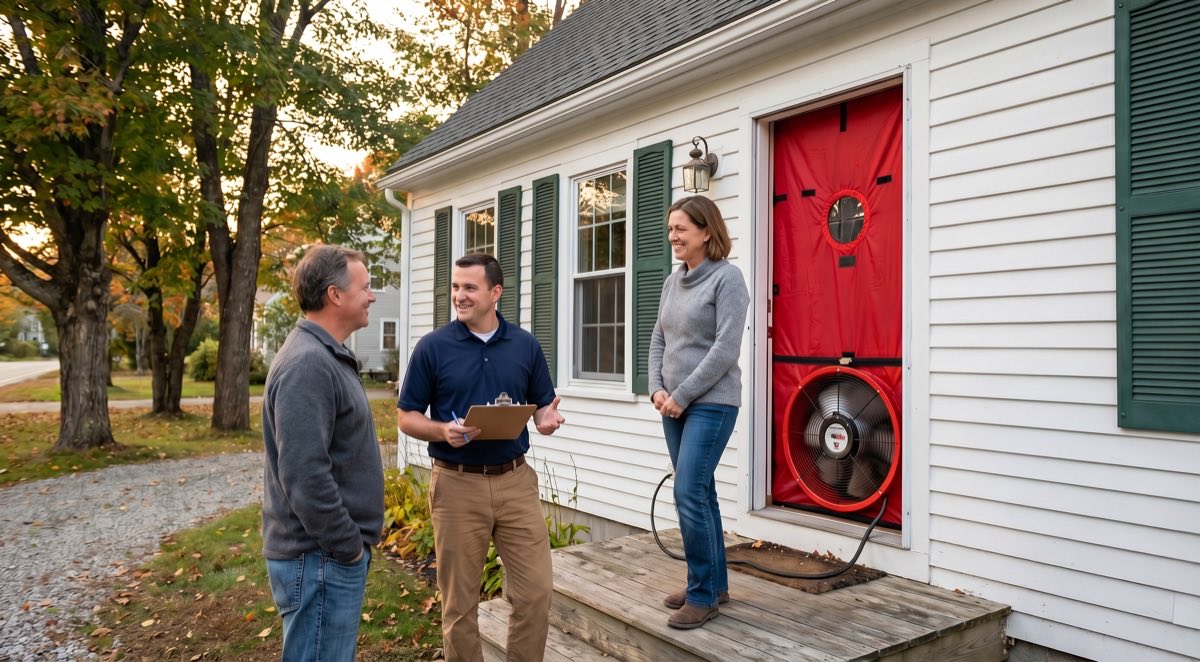
Air sealing closes those paths. A professional air sealing contractor uses a blower door to depressurize the house and find every leak, then systematically seals each one with foam, caulk, or rigid board.
This is always the first step. Insulation performs poorly when air moves through or around it. Sealing first makes every dollar you spend on insulation work harder.
Typical savings: 15-25% reduction in heating costs. On a $3,000 annual heating bill, that is $450-$750 per year.
Cost: $1,500-$4,000 before Efficiency Maine rebates, which pay a fixed amount per zone depending on household income.
2. Attic and Wall Insulation: The Thermal Barrier
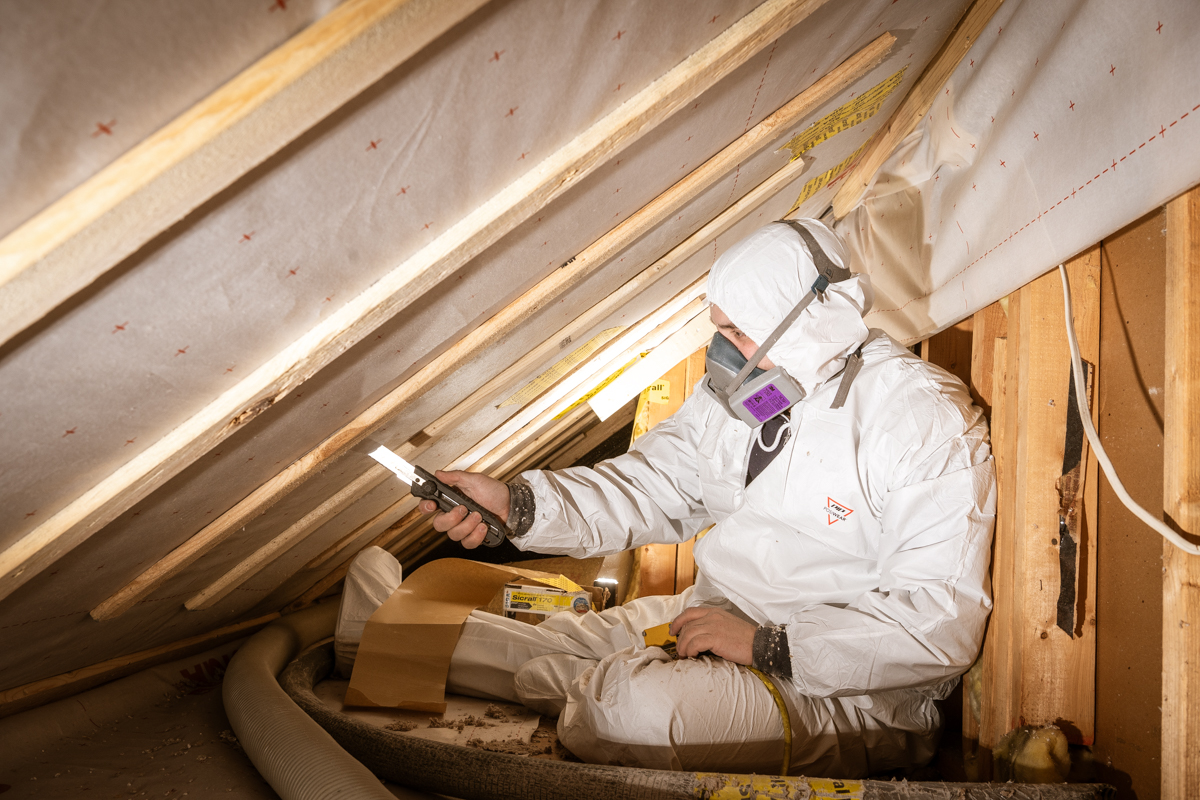
Once air leaks are sealed, blown in insulation slows heat transfer through your walls, ceiling, and floors. Most homes we assess in Greater Portland have R-11 to R-19 in the attic. The target for Maine retrofits is R-50 - roughly 16 inches of blown in cellulose.
Blown in cellulose is our primary insulation material because it fills every cavity completely. Unlike fiberglass batts, it settles around wiring, pipes, and framing members without leaving gaps. It also resists pests and has a Class 1 fire rating.
The priority areas for most homes:
- Attic floor - The single largest source of conducted heat loss. Bringing it to R-50 is the highest-impact insulation upgrade.
- Exterior walls - Dense-pack cellulose blown into existing wall cavities without removing drywall. Minimal disruption, measurable improvement.
- Basement rim joists - The band of framing where the first floor sits on the foundation. Sealing and insulating rim joists reduces drafts on the first floor.
Typical savings: 20-30% reduction in heating costs when combined with air sealing.
Cost: $4,000-$10,000 for attic and walls before rebates. Efficiency Maine pays a fixed amount per zone by income tier, up to $8,600 per home.
3. Cold-Climate Heat Pumps: The Fuel Switch
If you heat with oil, propane, or an older boiler, a cold-climate heat pump is the most impactful single equipment upgrade you can make. Heat pumps move heat rather than burn fuel, operating at 200-300% efficiency compared to 80-85% for a typical boiler.
For a home spending $3,000 per year on heating oil, heat pumps typically reduce annual heating costs to $1,200-$1,800. That is $1,200-$1,800 in savings every year.
The key word is "cold-climate." Standard heat pumps lose capacity as temperatures drop. The Mitsubishi Hyper-Heating systems we install maintain their rated output down to -15F, which is critical for Maine winters.
Why this is improvement number three, not number one: Insulating and sealing first means the heat pump can be sized smaller. A smaller system costs less to install, runs more efficiently, and keeps every room more comfortable. Skipping the envelope work and going straight to heat pumps is one of the most common mistakes we see.
Cost: $4,500-$18,000 depending on the number of units. Efficiency Maine rebates cover $1,000-$3,000 per outdoor unit depending on household income.
4. High-Efficiency Boilers: For Homes That Keep Hydronic Heat
Not every home is ready for a full heat pump conversion. If you have radiators, baseboard, or radiant floors that you want to keep, a high-efficiency condensing boiler is a strong upgrade.
Modern wall-hung condensing boilers operate at 95%+ efficiency, compared to 60-80% for older cast-iron units. That means 15-35% less fuel consumed for the same amount of heat. They work with both natural gas and propane.
Many homeowners combine both: a high-efficiency boiler for primary hydronic heat with cold-climate heat pumps for cooling and supplemental heat. This preserves the comfort of radiant heat and adds zone control. Our guide to compare Maine efficient heating options covers the full decision in detail.
Cost: Varies by system size. Note that high-efficiency boilers are not eligible for Efficiency Maine rebates, but NEIF Energy Plus financing is available.
5. Basement and Rim Joist Sealing: The Overlooked Source of Cold Floors
If your first-floor rooms have cold floors, drafty baseboards, or a persistent chill near exterior walls, the problem is almost certainly in the basement. The rim joist - where the first-floor framing sits on the foundation wall - is one of the leakiest areas in most Maine homes.
We insulate rim joists with polyiso rigid foam sealed at all edges. For fieldstone or rubble foundations, we coordinate with subcontractors for closed-cell spray foam where cellulose cannot do the job. The result is warmer floors, fewer drafts, and a basement that no longer acts as a cold air highway into your living space.
This work is typically bundled with attic insulation and air sealing as part of a whole-home weatherization project, which maximizes both the improvement and the rebate.
Cost: $1,000-$2,500 for rim joists alone. Usually bundled with attic and wall work under a single Efficiency Maine rebate.
The Order Matters
These five improvements are listed in priority order for a reason. Each one builds on the one before it:
- Air sealing makes insulation effective
- Insulation reduces the heating load
- A reduced heating load means a smaller, less expensive heat pump
- A high-efficiency boiler provides primary heat, with cold-climate heat pumps adding cooling and supplemental warmth
- Basement sealing closes the last major leak in the envelope
Doing them out of order means oversized equipment, underperforming insulation, and money left on the table.
Where to Start
The right starting point depends on your home. A 1920's Colonial in Portland with no wall insulation needs a different plan than a 1980's Cape in Scarborough with thin attic insulation.
A free energy assessment replaces guesswork with specifics. We walk through your home, identify where you are losing the most heat, and give you a prioritized plan with costs, rebates, and projected savings. No diagnostic equipment, no obligation.
Schedule your free energy assessment or call us at (207) 221-3221. We have been helping Maine homeowners make their homes more comfortable and less expensive to heat since 2006.
Find our guides faster: add Horizon Homes as a preferred source on Google.
Free Home Energy Assessment
Ready to Lower Your Energy Bills?
We identify the improvements that will have the biggest impact on your home's energy use, with clear pricing and rebate estimates.
- Free walkthrough, no equipment, no disruption
- Efficiency Maine rebates identified for you
- Written improvement plan with pricing
Schedule Your Free Assessment
We call within 1 business day.