Beyond Energy Bills: The Hidden Benefits of Weatherization
Most people call us because their heating bills are too high. That is the reason they pick up the phone. But the improvements we make end up changing things they did not expect, and those changes are often the ones they talk about most.
A couple in Cape Elizabeth had us insulate their attic and air seal their 1960's Colonial last fall. When we followed up a month later, the first thing they mentioned was not the lower oil bill. It was that their bedroom was finally quiet. The road noise they had lived with for fifteen years was gone.
Energy savings get weatherization projects started - energy efficient home improvements typically reduce heating costs by 20-40%. The other benefits are what make homeowners glad they did it.
Comfort That Is Hard to Quantify
The most immediate change after insulation and air sealing work is how the house feels. Not the thermostat reading, but the physical sensation of being in the space.
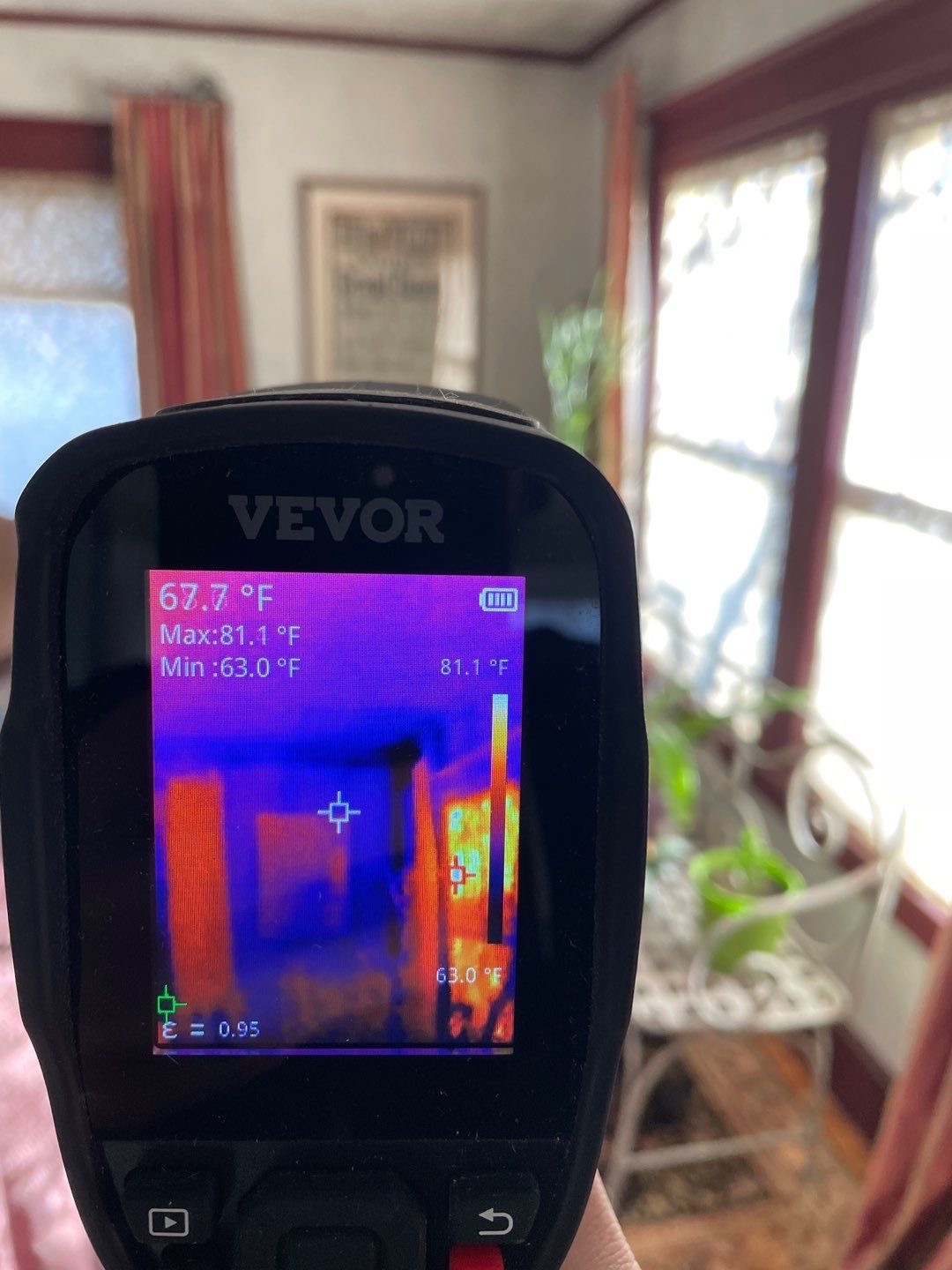
Even temperatures room to room. Before weatherization, most Maine homes have a 5 to 10 degree spread between the warmest and coldest rooms. After a thorough insulation and air sealing project, that spread shrinks to 1 to 3 degrees. The house feels consistent.
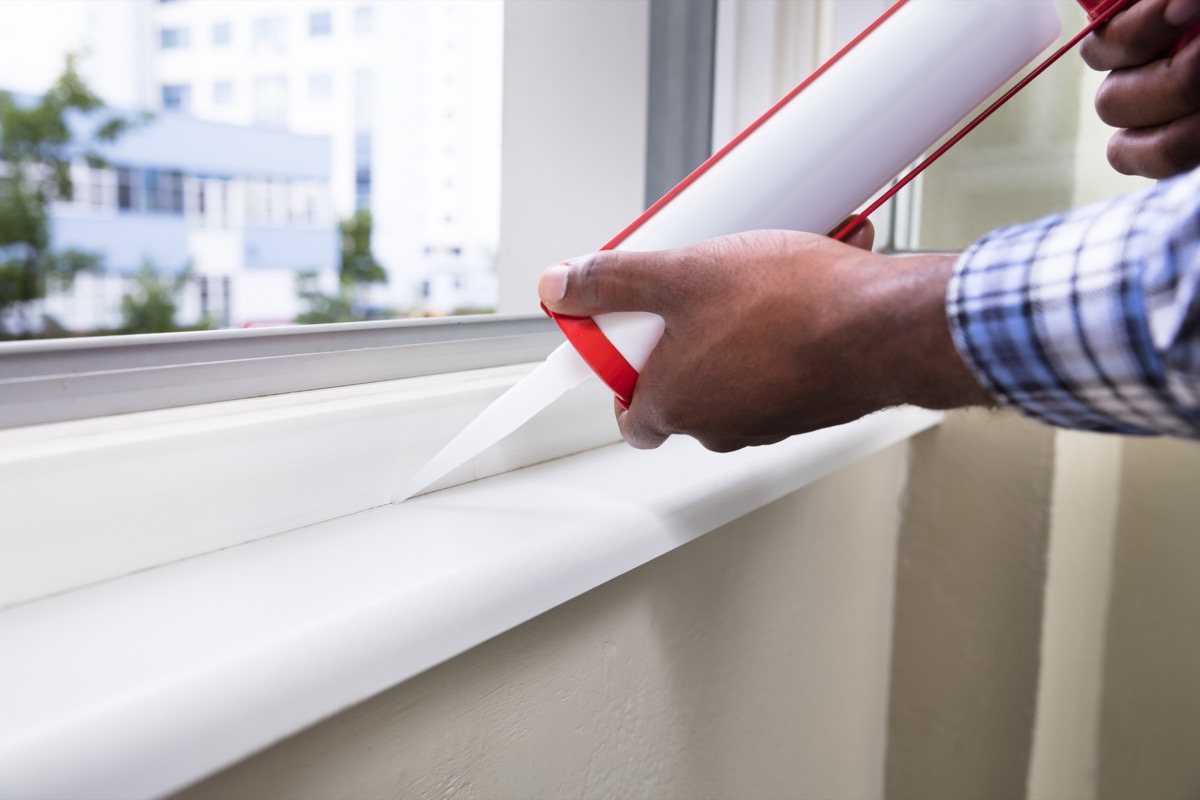
No more cold drafts. That chill you feel sitting near an exterior wall or by a window on a windy day is usually not the window leaking. It is air moving through the wall cavity and through gaps in the building envelope. Sealing those paths eliminates the drafts.
Warmer floors and walls. In an uninsulated or under-insulated home, interior wall surfaces can be 10 to 15 degrees colder than the air temperature. Your body radiates heat toward those cold surfaces, making you feel chilly even when the thermostat says 68. After insulation, wall and floor surface temperatures rise, and that radiant chill disappears.
These changes are hard to put a dollar value on, but homeowners notice them immediately.
Quieter Living Spaces
Sound travels through the same paths as air. Every crack, gap, and thin spot in your building envelope is also a path for noise.
Dense-pack cellulose insulation is particularly effective at reducing sound transmission. The dense, fibrous material absorbs sound waves rather than transmitting them. Homeowners regularly tell us they notice a difference in:
- Road and traffic noise (especially homes near Route 1, the Turnpike, or busy intersections)
- Wind noise during storms
- Airplane noise (a common complaint in Scarborough, South Portland, and Cape Elizabeth near the Portland Jetport)
- Noise between floors in two-story homes
We have never had a homeowner tell us their house got louder after insulation work.
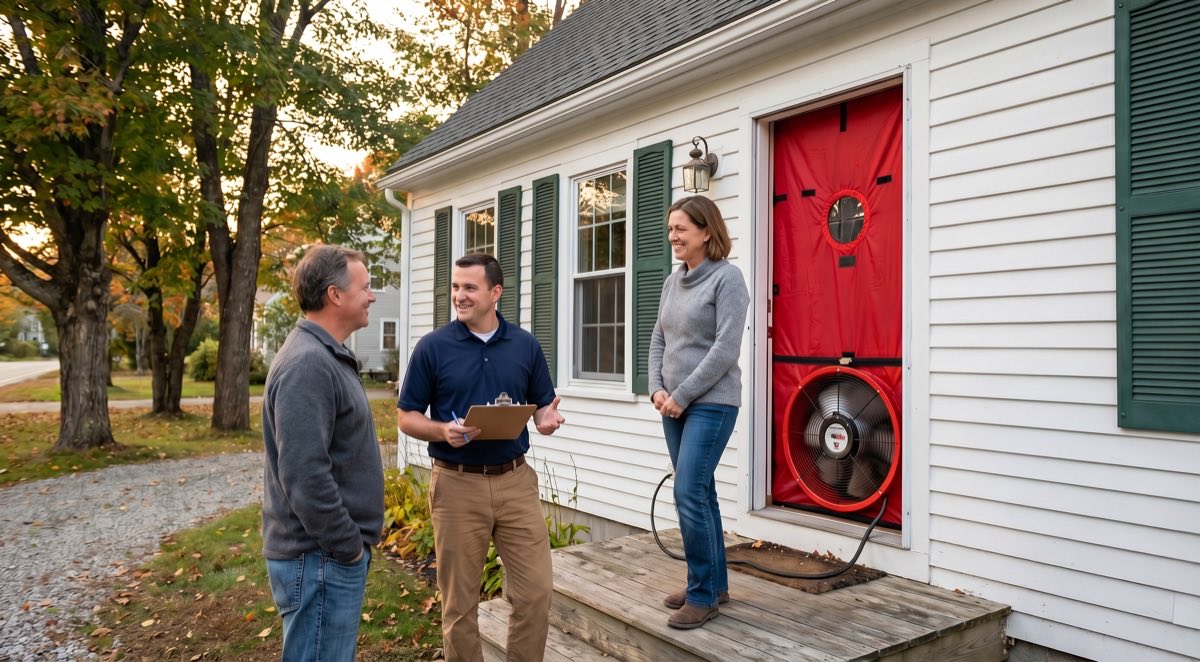
Schedule a free energy assessment and we will identify where your home is losing energy and comfort.
Better Indoor Air Quality
This one surprises people, because the instinct is that sealing a house tighter would trap pollutants inside. The opposite is true when the work is done correctly.
In a leaky home, air enters through cracks in the basement, crawlspace, and exterior walls. That air carries dust, soil gases, pollen, and whatever else is in the ground and outside air near those openings. It enters unfiltered and distributes throughout the house.
After air sealing, those uncontrolled paths are closed. Fresh air enters through intentional paths, often through a mechanical ventilation system that filters incoming air. The result is cleaner indoor air, not dirtier.
Research by the Department of Energy has documented measurable improvements in indoor air quality after weatherization work, including reductions in particulate matter, radon levels (when combined with proper sub-slab ventilation), and moisture-related pollutants.
For homeowners with allergies, asthma, or sensitivity to dust, the difference can be meaningful.
Reduced Moisture Problems
Moisture causes more damage to Maine homes than any other single factor. Wood rot, mold growth, paint failure, and rusting fasteners all trace back to excess moisture in the wrong places.
Weatherization addresses moisture in two ways:
Air sealing stops warm, moist indoor air from entering wall and attic cavities. This is the primary cause of hidden moisture problems in cold-climate homes. When you seal the gaps that let warm air into cold spaces, you cut off the moisture's path.
Insulation keeps surfaces above the dew point. A warm wall does not collect condensation. An insulated basement rim joist stays warm enough that humid summer air does not condense on it. Warmer surfaces mean drier surfaces.
Homeowners who have struggled with basement dampness, window condensation, or musty attic smells often find those problems reduced or eliminated after a thorough weatherization project.
Higher Home Value
Energy-efficient homes sell for more. A 2024 study by the National Association of Realtors found that energy efficiency improvements were among the top features buyers valued, ranking above kitchen updates in several markets.
In Maine specifically, homes with documented energy improvements, especially those with Efficiency Maine project histories, stand out in listings. Buyers recognize that a home with R-50 attic insulation, sealed air leaks, and a cold-climate heat pump will cost less to heat than one without.
We provide documentation of every improvement we make, including materials, R-values, and before-and-after measurements. That paperwork becomes part of your home's value story if you ever decide to sell.
Lower Maintenance and Repair Costs
A well-weatherized home puts less stress on its mechanical systems. When the building envelope does its job, the heating system runs fewer hours, cycles less frequently, and operates closer to its designed conditions. That translates to:
- Fewer heating system repairs from overwork and short cycling
- Longer equipment lifespan for boilers, heat pumps, and water heaters
- Less ice dam damage to roofing, gutters, and siding
- Reduced risk of frozen pipes in exterior walls and poorly insulated areas
- Less paint peeling and wood rot from moisture intrusion
These are costs that accumulate quietly over years. Avoiding them is not as visible as a lower heating bill, but it adds up.
The Compounding Effect
The real power of weatherization is that these benefits stack on top of each other. You are not choosing between lower bills, better comfort, cleaner air, and a quieter home. You get all of them from the same work.
And because many of these benefits improve quality of life in ways that go beyond dollars, homeowners consistently rate weatherization projects among the most satisfying home improvements they have done. The Building Performance Association has documented these non-energy impacts extensively, and the data aligns with what we hear from our own customers.
Find Out What Your Home Is Missing
Every older Maine home has room for improvement. Some need a full weatherization project. Others need targeted work in the attic or basement. The right starting point depends on your home's age, construction, and current condition. If you want a quick overview of which upgrades deliver the highest return, see our guide to the 5 best energy efficient home improvements for Maine homes.
Schedule your free energy assessment and we will walk through your home, show you where the biggest opportunities are, and help you plan the improvements that will make the most difference. Or call us at (207) 221-3221.
Find our guides faster: add Horizon Homes as a preferred source on Google.
Free Home Energy Assessment
Ready to Lower Your Energy Bills?
We identify the improvements that will have the biggest impact on your home's energy use, with clear pricing and rebate estimates.
- Free walkthrough, no equipment, no disruption
- Efficiency Maine rebates identified for you
- Written improvement plan with pricing
Schedule Your Free Assessment
We call within 1 business day.