What a Home Energy Audit Revealed About Our 1940's Portland Cape
Editor's note (March 2026): The federal 25C tax credit referenced in this article expired December 31, 2025 and is only available for qualifying work completed before that date. Efficiency Maine rebates remain available.
Every week or two, we get a call from a homeowner in Greater Portland who says some version of the same thing: "Our house is drafty and our heating bills are out of control. We think we need new windows." Nine times out of ten, the windows are not the problem. The problem is hiding in places they have never looked.
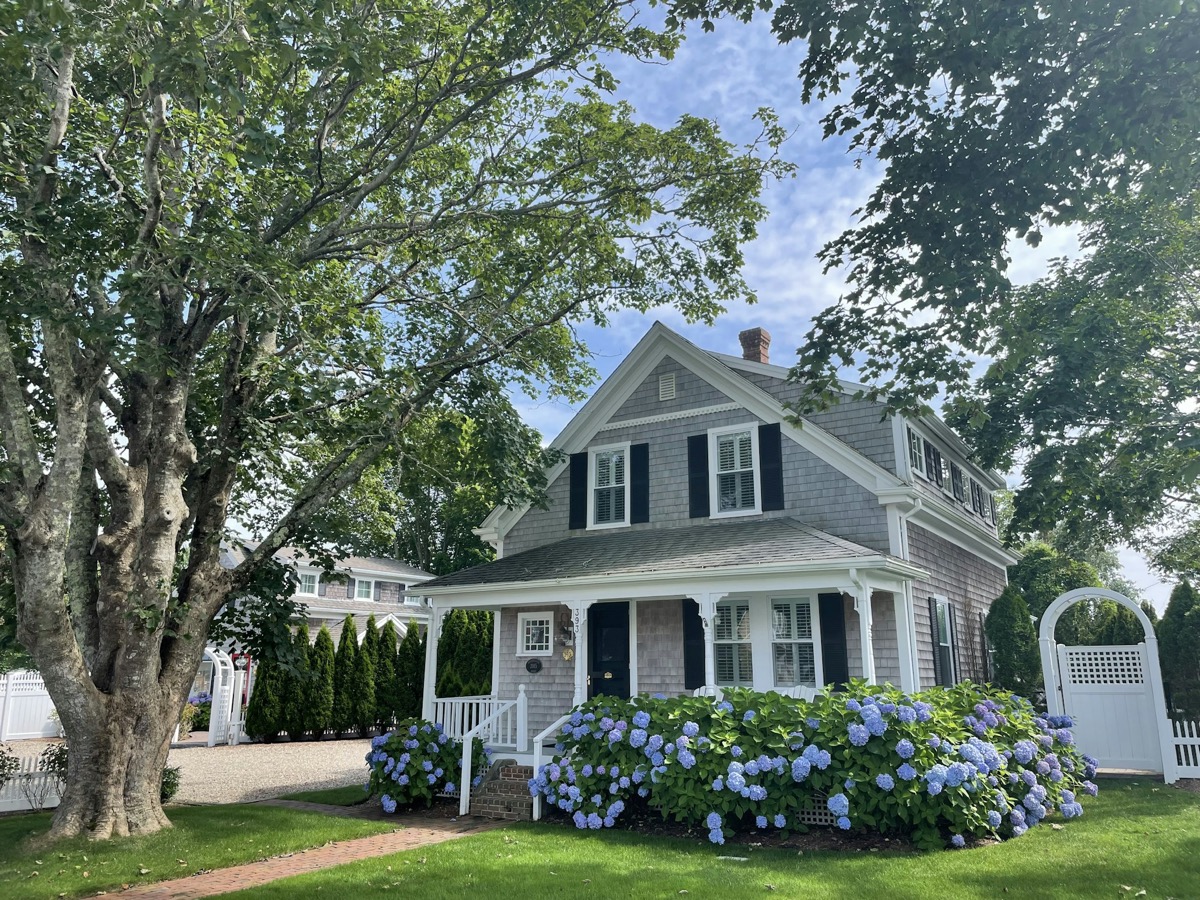
That is what happened with Mike and Jess, who bought a 1940's Cape in Portland's Woodfords Corner neighborhood in the spring of 2024. The house had good bones: hardwood floors, original plaster walls, a solid foundation. It also had heating bills that hit $3,800 per year on oil, and a living room that felt ten degrees colder than the kitchen no matter how high they set the thermostat.
"We figured the living room was cold because of the windows," Jess told us. "They are old double-hung windows and you can feel air around the frames. We were pricing replacement windows at $15,000-$20,000 when a neighbor suggested we get an energy audit first."
That neighbor gave good advice.
What the Home Energy Audit Found
Our energy advisor visited Mike and Jess's home on a Saturday morning in October for a free walkthrough. The initial assessment identified the problem areas visually. When Mike and Jess decided to move forward, the diagnostic testing as part of the job confirmed what we already suspected.
The Blower Door Test
We set up a blower door in the front doorframe. This is a calibrated fan that depressurizes the house to 50 Pascals (about the equivalent of a 20 mph wind hitting every surface of the home at once) and measures how much air leaks through the building envelope.
Mike and Jess's house tested at 4,200 CFM50. That means 4,200 cubic feet of air per minute was leaking through gaps, cracks, and holes in the shell of the house. To put that in perspective, 4,200 CFM50 is equivalent to having a hole roughly 2.5 square feet open to the outside. Imagine cutting a window-sized opening in your wall and leaving it open all winter. That is what their house was doing, spread across hundreds of small leaks.
For a 1,600 square foot Cape built in 1940, a reasonable target is around 2,000-2,500 CFM50. They were nearly double that.
Infrared Camera Findings
With the blower door running, we scanned the walls and ceilings with an infrared camera. The thermal images showed the cold air pathways in real time:
- Missing wall insulation. Two entire wall bays in the living room showed no insulation at all. The surface temperature on those sections was 12 degrees colder than the insulated bays beside them. This was the "drafty living room" problem, and it had nothing to do with the windows.
- Unsealed attic bypasses. The plumbing stack, the electrical wiring penetrations, and the gap around the chimney chase were all open to the attic. Warm air from the house was streaming up through these pathways constantly, pulling cold air in at the bottom of the house to replace it.
- Rim joist leakage. The basement rim joists (where the wood framing meets the foundation) had no insulation and no air sealing. Cold air poured through these gaps, and the infrared showed the floor above them running 6-8 degrees cooler than the rest of the first floor.
Insulation Levels
The attic had original fiberglass batts at about R-11. Current code for Maine calls for R-49. Their attic insulation was providing roughly one-fifth of the thermal resistance it should have been. That missing insulation was driving heat loss through the ceiling around the clock from November through April.
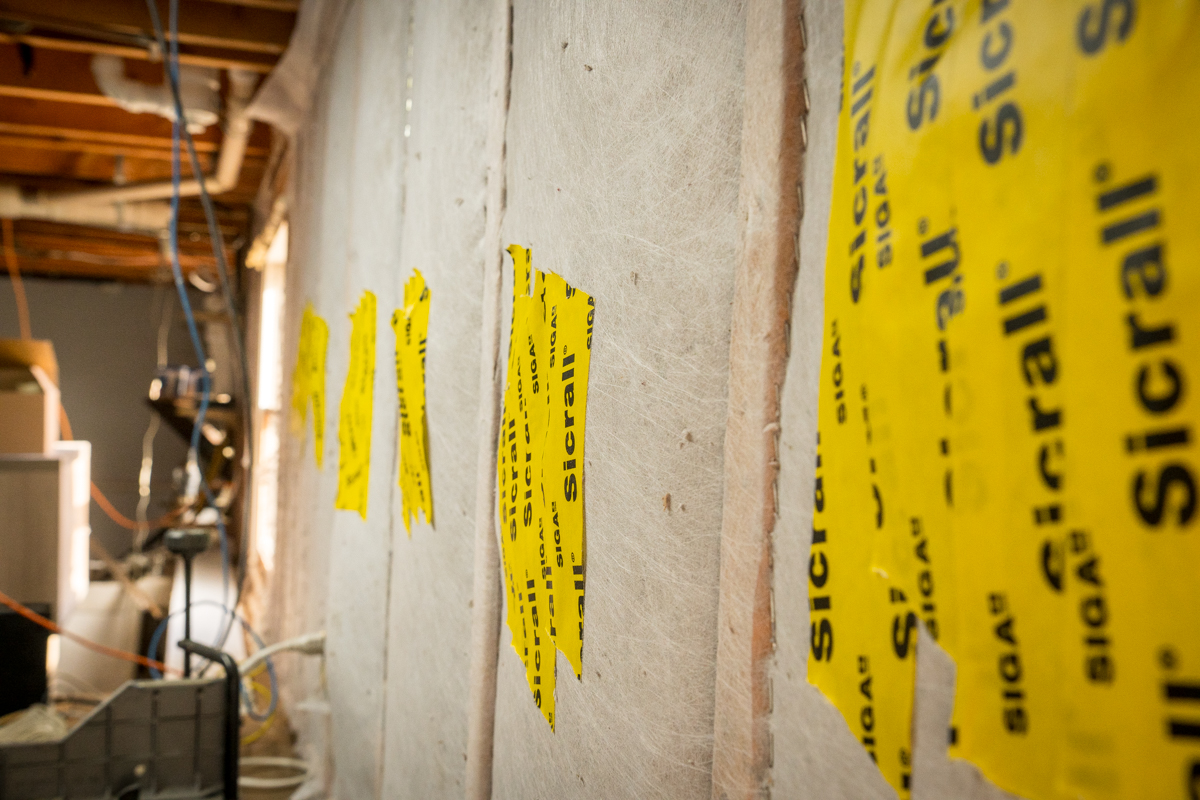
The rim joists in the basement were bare. No insulation, no air barrier.
What We Recommended (In Priority Order)
Based on the audit findings, we put together a prioritized scope of work. Not everything needs to happen at once, and we always recommend starting with the improvements that deliver the most savings per dollar spent.
Priority 1: Attic air sealing and insulation. Seal all the bypasses (plumbing, wiring, chimney, partition wall tops) and blow cellulose insulation to R-49. This is the single highest-impact improvement for almost every Maine home, because heat rises and an unsealed, under-insulated attic loses more energy than any other part of the building envelope.
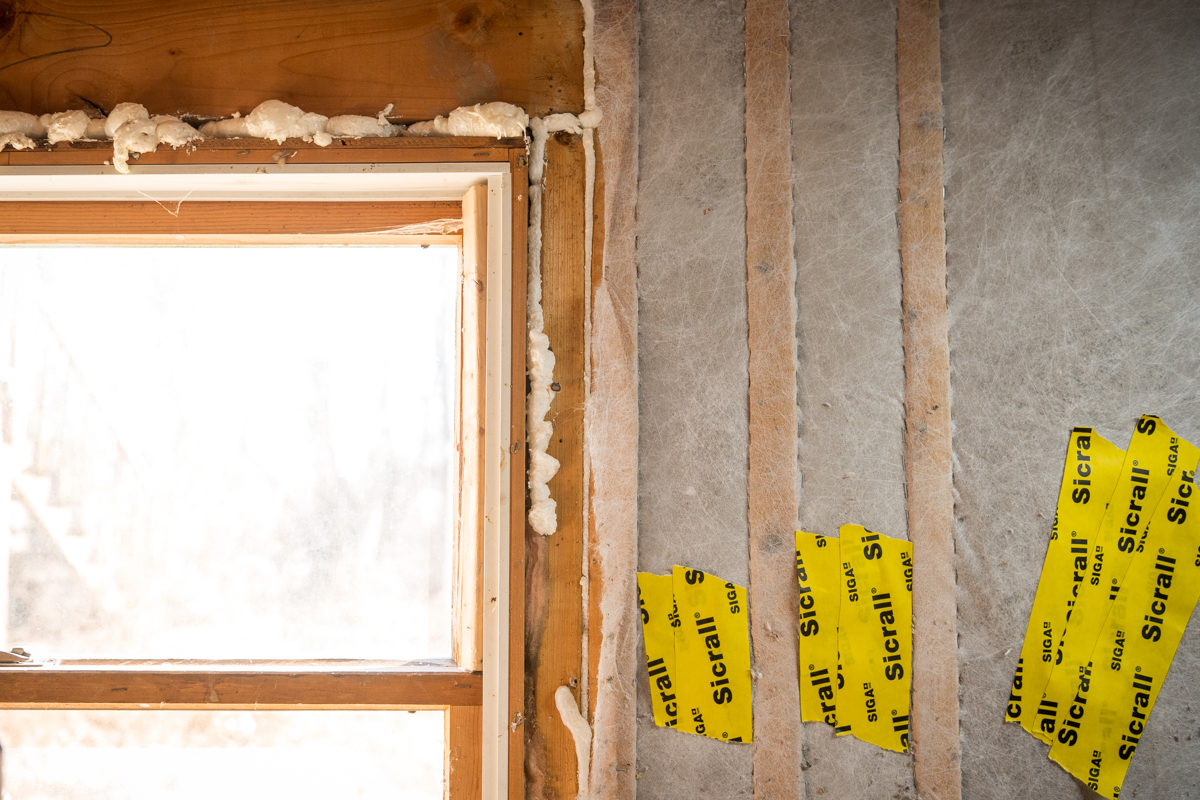
Priority 2: Rim joist insulation and air sealing. Seal and insulate the rim joists in the basement with rigid foam and spray-applied foam. This addresses the cold floors and the large volume of air leakage at the foundation level.
Priority 3: Wall dense-pack insulation. Blow dense-pack cellulose into the wall cavities from the outside (small holes drilled through the siding, filled and patched). This fixes the missing insulation bays and brings the entire wall assembly up to a consistent thermal performance.
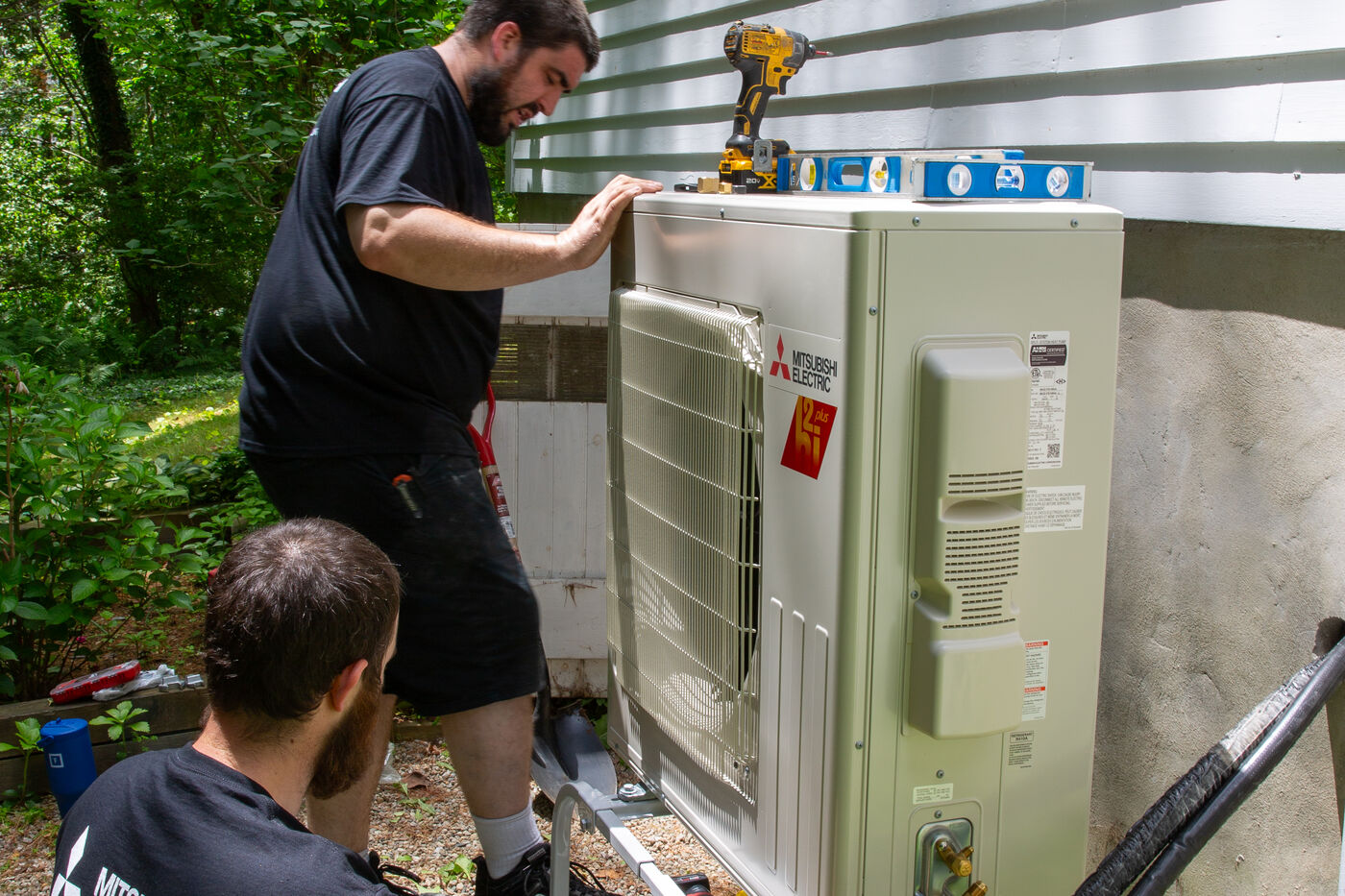
Priority 4: Heat pump consideration. Once the envelope is tight and well-insulated, evaluate a cold-climate heat pump system to replace or supplement the oil boiler. A tight house needs a smaller heating system, which means lower equipment costs and better performance.
What Does a Home Energy Audit Reveal?
If you are wondering what a home energy audit would find in your home, it usually uncovers the same types of issues we found here: air leaks you cannot see, insulation that is missing or degraded, and heat loss patterns that explain the comfort problems you have been living with. The audit gives you a clear picture of where the energy is going and which fixes will make the biggest difference.
Schedule a free energy assessment to find out what is happening in your home.
What Mike and Jess Did First
Like most homeowners, Mike and Jess did not want to take on every improvement at once. They chose Priorities 1 and 2: attic air sealing and insulation, plus rim joist work.
The total cost for the project was $5,800. Here is how the costs broke down after incentives:
- Gross project cost: $5,800
- Efficiency Maine rebate: $2,000 (attic zone + foundation zone)
- Out-of-pocket after rebates: approximately $3,800
The work took two days. Our crew sealed all the attic bypasses on day one, then blew cellulose to R-49 across the attic floor and insulated the rim joists on day two.
For a full breakdown of how Maine insulation rebates work, see our rebate guide.
The Results
We came back six weeks later for a post-work blower door test. The numbers told the story:
- Before: 4,200 CFM50
- After: 2,100 CFM50
- Reduction: 50%
They cut the air leakage in half with two days of work. The remaining leakage is mostly in the walls (the dense-pack will address that in Phase 2), but 2,100 CFM50 puts them in a reasonable range for an older Cape.
Over the first winter after the work, Mike and Jess tracked their oil deliveries carefully:
- Previous winter heating cost: $3,800 (approximately 950 gallons at $4.00/gallon)
- Post-work winter heating cost: $2,660 (approximately 665 gallons)
- Annual savings: approximately $1,140 per year (30% reduction)
- Payback period on net investment: about 2.3 years
The drafty living room problem was also solved. The attic air sealing stopped the stack effect that had been pulling cold air through the leaky wall bays. Even though those bays still lack insulation (until Phase 2), the air movement through them dropped enough to eliminate the cold spots.
"I expected the upstairs to feel warmer, because that is where the attic insulation went," Mike said. "But the living room is where we noticed the biggest difference. The house stopped pulling cold air in from the basement."
That is stack effect in action. When you seal the top of the house, you reduce the driving force that pulls air in at the bottom. It is one of the reasons we always start with the attic.
Phase 2 Plans
Mike and Jess are planning to have the walls dense-packed with cellulose this coming spring. Based on the infrared findings, we expect this to bring their blower door number down to around 1,400-1,600 CFM50 and reduce their heating bills by another 15-20%.
After that, they are considering a cold-climate heat pump system. With the envelope already tight and well-insulated, they would need a smaller system (likely two or three indoor heads) and their operating costs on a heat pump would be lower than what they are paying for oil today. Efficiency Maine offers rebates on heat pumps as well, which further reduces the upfront cost.
Does This Sound Like Your Home?
If you own a Cape, Colonial, or any pre-1980 home in Portland, South Portland, Westbrook, Falmouth, Scarborough, or the surrounding area, your house likely has some of the same issues Mike and Jess found. The specifics vary, but the pattern is consistent: air leaks and missing insulation account for most of the energy waste in older Maine homes.
A home energy audit takes about an hour and gives you a clear, prioritized plan. No guesswork, no pressure. If you are wondering what one costs and what you should expect to pay, see our full breakdown: how much does a home energy audit cost in Maine?
Schedule Your Free Energy Assessment
Book a free energy assessment with Horizon Homes. We will walk through your home, identify where you are losing energy, and give you a clear roadmap with costs and rebate estimates.
Or call us at (207) 221-3221. We serve Greater Portland and surrounding communities.
Note: This case study is based on a composite of real projects completed by Horizon Homes in the Greater Portland area. Names and specific details have been changed to protect client privacy. Results vary by home.
Find our guides faster: add Horizon Homes as a preferred source on Google.
Free Home Energy Assessment
Want Results Like These in Your Home?
Every home is different, but the approach is the same. We start with a free walkthrough to identify what will make the biggest difference.
- Free walkthrough, no equipment, no disruption
- Efficiency Maine rebates identified for you
- Written improvement plan with pricing
Schedule Your Free Assessment
We call within 1 business day.