Branch Box Heat Pumps: The System Installers Skip
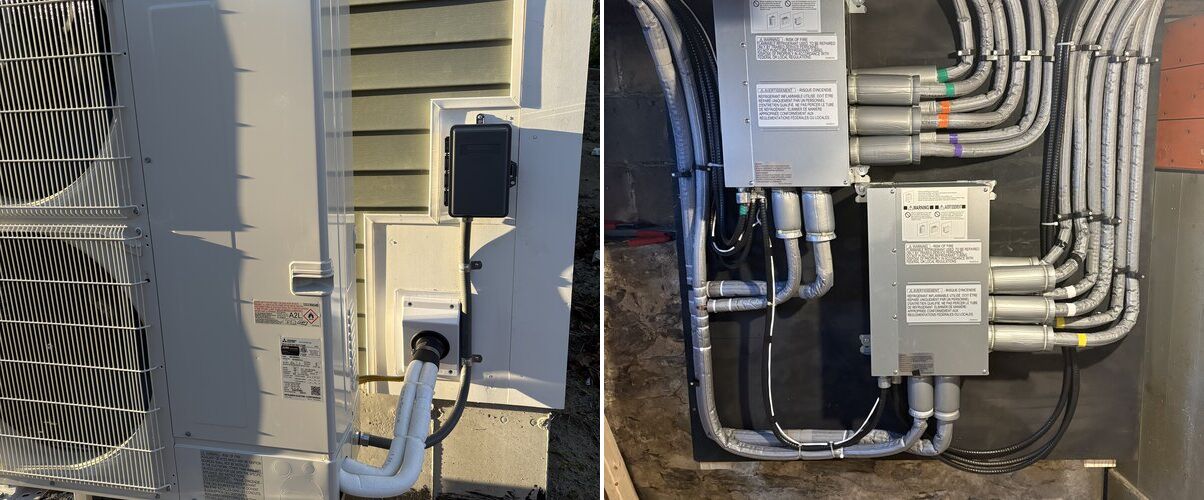
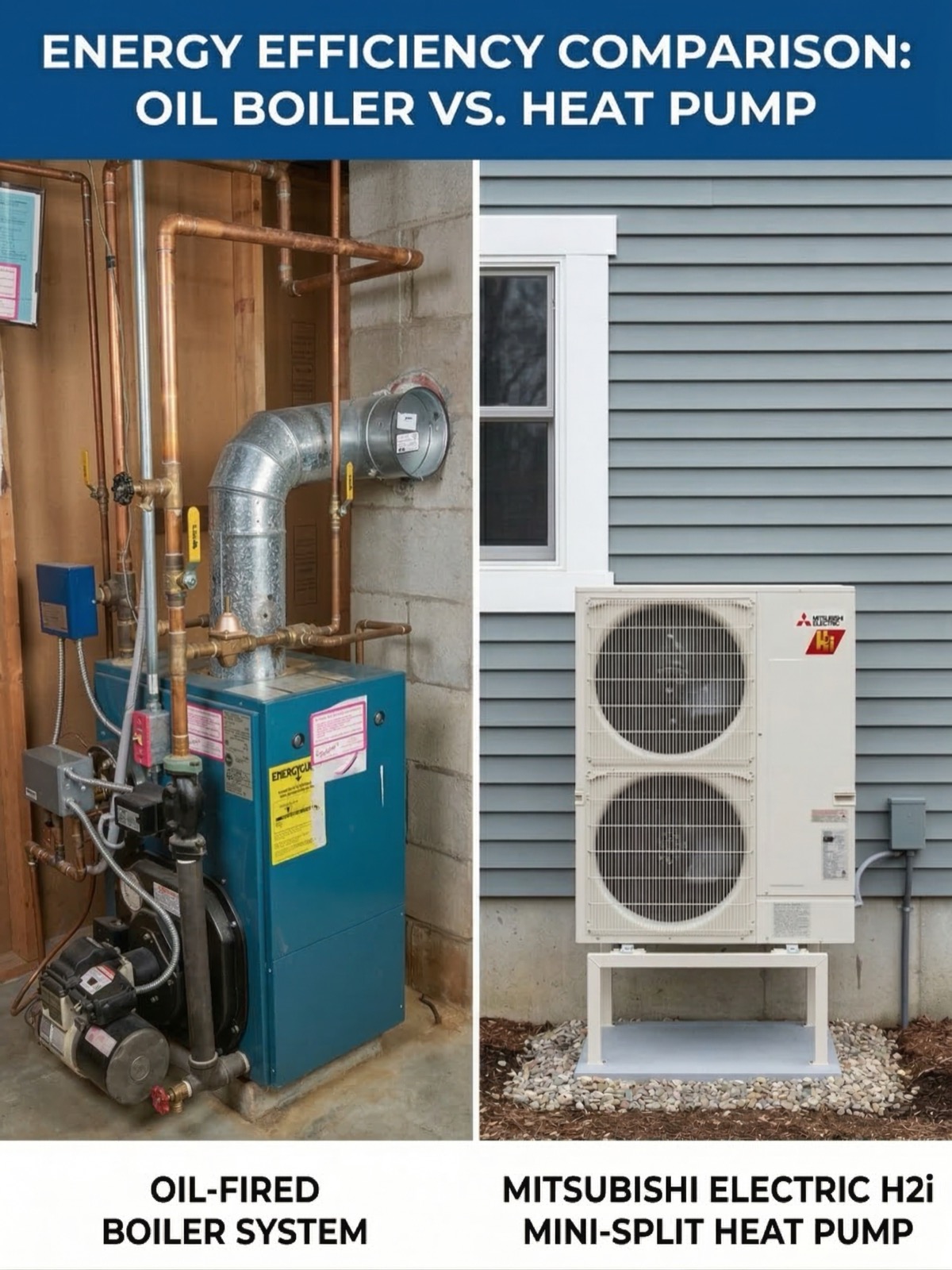
We pulled three outdoor units off a Cape Elizabeth home last month and replaced them with one. The homeowner had hired another contractor two years ago to install a multi-zone cold-climate heat pump system. They put in three separate outdoor units, each connected to one or two indoor heads. Three condensers lined up along the foundation, three sets of refrigerant lines running up the siding, three electrical disconnects. It worked, but it looked like a mechanical room had exploded onto the side of the house.
The fix was a branch box system. One outdoor unit, one set of refrigerant lines going inside, and a small distribution box in the basement that routes refrigerant to all six indoor units. Same heating and cooling capacity. One third of the outdoor equipment.
What Is a Branch Box?
A branch box is a refrigerant distribution manifold. It sits between a single outdoor condensing unit and multiple indoor units, typically in the basement, attic, or a mechanical closet. Inside the box are electronic expansion valves that control exactly how much refrigerant flows to each indoor unit based on what each zone is calling for.
Think of it like a breaker panel for your heat pump system. One main feed comes in from the outdoor unit, and the branch box splits it out to each zone independently.
Mitsubishi calls theirs the PAC-MKA series. It comes in 3-port and 5-port configurations. Two boxes can be daisy-chained together to support up to eight zones from a single outdoor unit. Other manufacturers like Daikin and Fujitsu offer similar branch box configurations, and we install those systems when they are the right fit for the home. But the Mitsubishi SMART MULTI line is what we install most often, and it is what we have the most field experience with in Maine conditions.
Branch Box vs. Multi-Port: What Is the Difference?
Most homeowners researching multi-zone cold-climate heat pumps will encounter two system types. Understanding the difference matters because it affects cost, performance, and how well the system heats your home in January.
Multi-port (traditional multi-zone): One outdoor unit with multiple refrigerant connections built into the condenser. Each indoor unit gets its own dedicated line set running directly from the outdoor unit. The MXZ series from Mitsubishi is the most common example. These work well for two or three zones, but each additional zone means another set of copper lines running from the outdoor unit to the indoor unit. In a two-story Colonial, that can mean line sets running 40 to 60 feet.
Branch box system: One outdoor unit with a single set of refrigerant lines running to a centrally located branch box. From there, shorter line sets run to each indoor unit. The branch box handles distribution and allows the system to serve six, seven, or eight zones without the outdoor unit turning into an octopus of copper tubing.
The practical differences:
- Fewer line penetrations. A multi-port system serving six zones needs six separate wall penetrations and six line set runs on the exterior. A branch box system needs one.
- Shorter total line length. Placing the branch box centrally means each indoor unit connects with a shorter run. Shorter runs mean less refrigerant, less pressure drop, and better performance.
- One outdoor unit. For Maine homes where curb appeal matters, going from three condensers to one is a meaningful upgrade. Historic homes in Portland, South Portland, and Cape Elizabeth benefit the most.
- More precise zoning. The electronic expansion valves in the branch box give each zone independent control. One bedroom can heat while the living room cools. That flexibility matters in shoulder seasons, when the second floor is warm from solar gain but the first floor still needs heat.
When Does a Branch Box System Make Sense?
Not every home needs one. Here is how we think about it during an energy assessment.
Branch box is the right choice when:
- You want four or more zones from a single outdoor unit
- You are replacing oil heat entirely and need whole-home coverage
- Your home has limited exterior wall space for outdoor units (common with historic properties)
- You care about how the system looks from the outside
- You want simultaneous heating and cooling capability across zones
A simpler multi-zone system works fine when:
- You only need two or three zones
- Line runs from the outdoor unit to each indoor unit are short and direct
- Budget is the primary concern (multi-port systems cost less to install for small zone counts)
Schedule a free energy assessment and we will walk through your home to determine which system configuration delivers the best performance for your specific layout.
How Mitsubishi's SMART MULTI Line Works in Maine
The Mitsubishi SMART MULTI (MXZ-SM) series is the current generation of branch box outdoor units for residential applications. As a Mitsubishi Diamond Contractor, we have been installing these since the line launched, and we have enough field data now to speak to how they perform through a full Maine winter.
The key specs that matter here:
- 100% heating capacity at 5 degrees F. The system does not derate until temperatures drop well below zero. For reference, Portland's average January low is 13 degrees F. The system runs at full capacity on a normal winter night.
- Continuous heating to -13 degrees F. During the cold snap last January when Portland hit -8 degrees F for three consecutive nights, our branch box installations kept running. Output reduces at those extremes, but the systems did not shut down.
- Factory-installed base pan heater. The outdoor unit has a built-in heater that prevents condensate from freezing in the drain pan. This is a detail that matters in Maine and that cheaper systems skip.
- Available in 36,000 to 60,000 BTU/H configurations. That range covers most single-family homes in Greater Portland once the envelope has been properly insulated and air sealed.
That last point is worth emphasizing. A 48,000 BTU/H branch box system can heat a 2,000 square foot home comfortably if the insulation and air sealing are done right. If the envelope is leaky, you need a bigger system, which costs more to buy and more to run. This is why we always recommend addressing the building envelope first.
What About the Indoor Units?
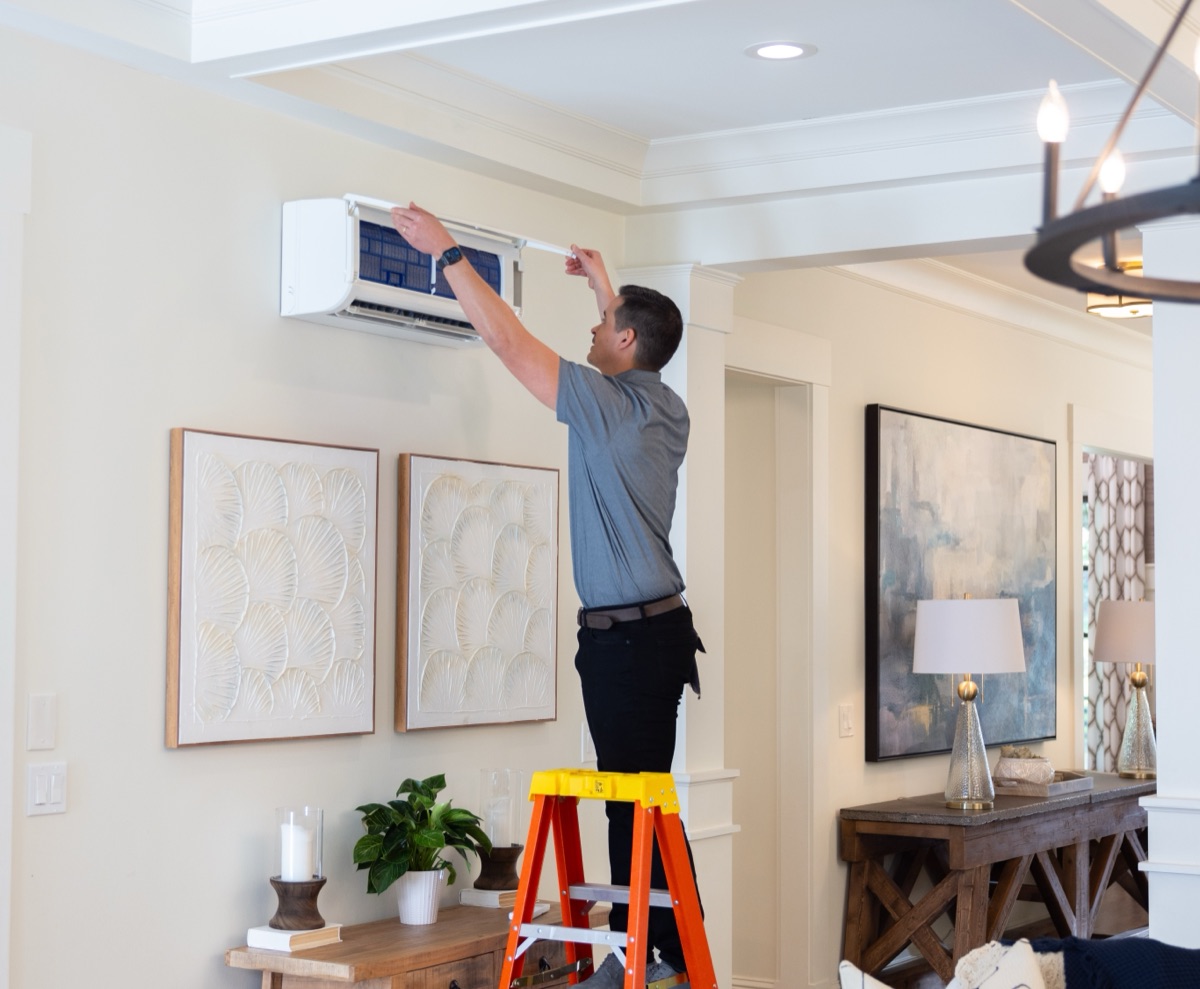
A branch box system works with the same indoor units you would use in any Mitsubishi mini-split installation. Wall-mounted heads, floor-mounted units, ceiling cassettes, and ducted air handlers all connect to the branch box the same way.
This gives you flexibility room by room. A wall-mounted unit in the bedroom. A ceiling cassette in the kitchen where wall space is limited. A ducted air handler in a finished basement where you want conditioned air distributed through short duct runs without visible equipment.
The branch box does not limit your indoor unit choices. It expands them by giving you more zones to work with from a single outdoor unit.
The Rebate Reality
Here is the trade-off you need to know about. Efficiency Maine's heat pump rebate program does not cover multi-zone or branch box systems. Rebates apply to single-zone outdoor units only. A homeowner who installs three separate single-zone units can qualify for three rebates. A homeowner who installs one branch box outdoor unit serving six zones gets zero heat pump rebates from Efficiency Maine.
That is a real cost difference, and we are upfront about it.
So why would anyone choose a branch box system? Because for some homes, the benefits outweigh the rebate gap. Lower total installation cost (one outdoor unit, one set of line sets, fewer electrical circuits), cleaner aesthetics, better zone-by-zone control, and the ability to heat and cool every room from a single system. For homeowners replacing oil heat entirely across a larger home, the branch box system can still cost less overall than installing four or five separate single-zone units, even without rebates.
We run the numbers both ways for every project during the assessment. Sometimes single-zone units with rebates win on total cost. Sometimes a branch box system wins despite the rebate exclusion. Sometimes a hybrid approach makes the most sense. The right answer depends on your home's layout, zone count, and budget.
What to Expect During Installation
A branch box installation is more involved than a standard multi-zone setup. Here is what the process looks like.
Day 1: Outdoor unit and branch box. The crew mounts the outdoor condenser, runs the main refrigerant line set to where the branch box will sit, and installs the branch box. In most homes, the branch box goes in the basement near the mechanical area. In homes without a basement, the attic or a utility closet works.
Day 2-3: Indoor units and connections. Each indoor unit gets mounted and connected to the branch box with its own short refrigerant line run. Electrical connections, condensate drains, and controls get wired.
Final day: Vacuum, charge, and commissioning. The crew pulls a deep vacuum on the entire system to remove moisture, charges the system with the correct amount of refrigerant, and commissions each zone. This step is where installation quality matters most. Improper vacuum procedures or incorrect refrigerant charges are the leading cause of premature heat pump failures. Our BPI-certified crews and licensed HVAC technicians follow Mitsubishi's commissioning protocol on every install.
Total timeline for a typical six-zone branch box system: three to four days.
One Outdoor Unit. Every Room Comfortable.
A branch box system is not the right choice for every home. But for homeowners who want to replace oil heat entirely, heat and cool every room independently, and keep their home's exterior clean, it is the most capable option available in residential cold-climate heat pump technology.
We have been installing these systems across Greater Portland since 2006. As a Mitsubishi Diamond Contractor and Efficiency Maine Top-Rated Vendor for 10+ years, we know how to size, design, and install branch box systems that perform through Maine winters.
Schedule your free energy assessment and we will walk through your home, evaluate your current heating system, and show you what a branch box configuration would look like for your specific layout. Or call us at (207) 221-3221.
Find our guides faster: add Horizon Homes as a preferred source on Google.
Free Home Energy Assessment
Considering Heat Pumps for Your Home?
We evaluate your home's insulation, heating system, and electrical capacity, then give you a clear recommendation with pricing and rebate estimates.
- Free walkthrough, no equipment, no disruption
- Efficiency Maine rebates identified for you
- Written improvement plan with pricing
Schedule Your Free Assessment
We call within 1 business day.