Carbon Monoxide and Combustion Safety in Maine Homes
We were doing an energy assessment in a Windham home last month and noticed the water heater exhaust pipe had separated from the chimney connector. The homeowner had no idea. The CO detector in the hallway was ten feet away and had a dead battery.
Carbon monoxide is not a topic most people think about until something goes wrong. But in Maine, where the majority of homes burn oil, propane, or natural gas for heat, combustion safety should be part of every homeowner's awareness.
Why Maine Homes Face Higher Risk
Carbon monoxide is produced when any fuel burns incompletely. Oil boilers, gas furnaces, propane water heaters, wood stoves, and gas ranges all produce CO during normal operation. When everything is working correctly, combustion gases vent safely outside through a chimney or flue pipe.
Problems start when venting fails. And in Maine, several conditions make venting failures more common:
Old heating equipment. Many Maine homes still have oil boilers or furnaces that are 20 to 30 years old. Older equipment is more likely to have cracked heat exchangers, corroded flue connections, and degraded venting systems.
Chimney deterioration. Masonry chimneys in New England take a beating from freeze-thaw cycles. Cracked mortar, collapsed liner tiles, and blocked flues are common in homes built before 1980. A blocked or partially blocked chimney traps combustion gases inside the home.
Negative pressure. This is the one most people do not know about. Exhaust fans, clothes dryers, and even a strong stack effect can pull air out of a home faster than it enters. That creates negative pressure, which can cause combustion gases to backdraft down the chimney instead of venting up and out.
Tight homes without makeup air. When a home is air sealed without accounting for combustion appliances, the reduced air leakage can starve the boiler or furnace of combustion air. This leads to incomplete combustion (more CO) and increased backdrafting risk.
How Combustion Appliances Vent
Understanding the venting basics helps explain why things go wrong:
Natural draft (atmospheric) venting relies on hot combustion gases rising up the chimney through convection. This is the oldest and most common venting method in Maine homes. It works when the chimney is warm, clear, and the house is at neutral or positive pressure. It fails when the chimney is cold, blocked, or the house is under negative pressure from exhaust fans.
Power venting uses a fan to push combustion gases through a flue pipe, typically out a sidewall. This is more reliable than natural draft because it does not depend on chimney temperature or house pressure. Most modern high-efficiency boilers use power venting or direct venting.
Direct vent (sealed combustion) draws combustion air from outside through a dedicated pipe and exhausts through a separate pipe. The combustion process is completely isolated from indoor air. This is the safest configuration because backdrafting is physically impossible.
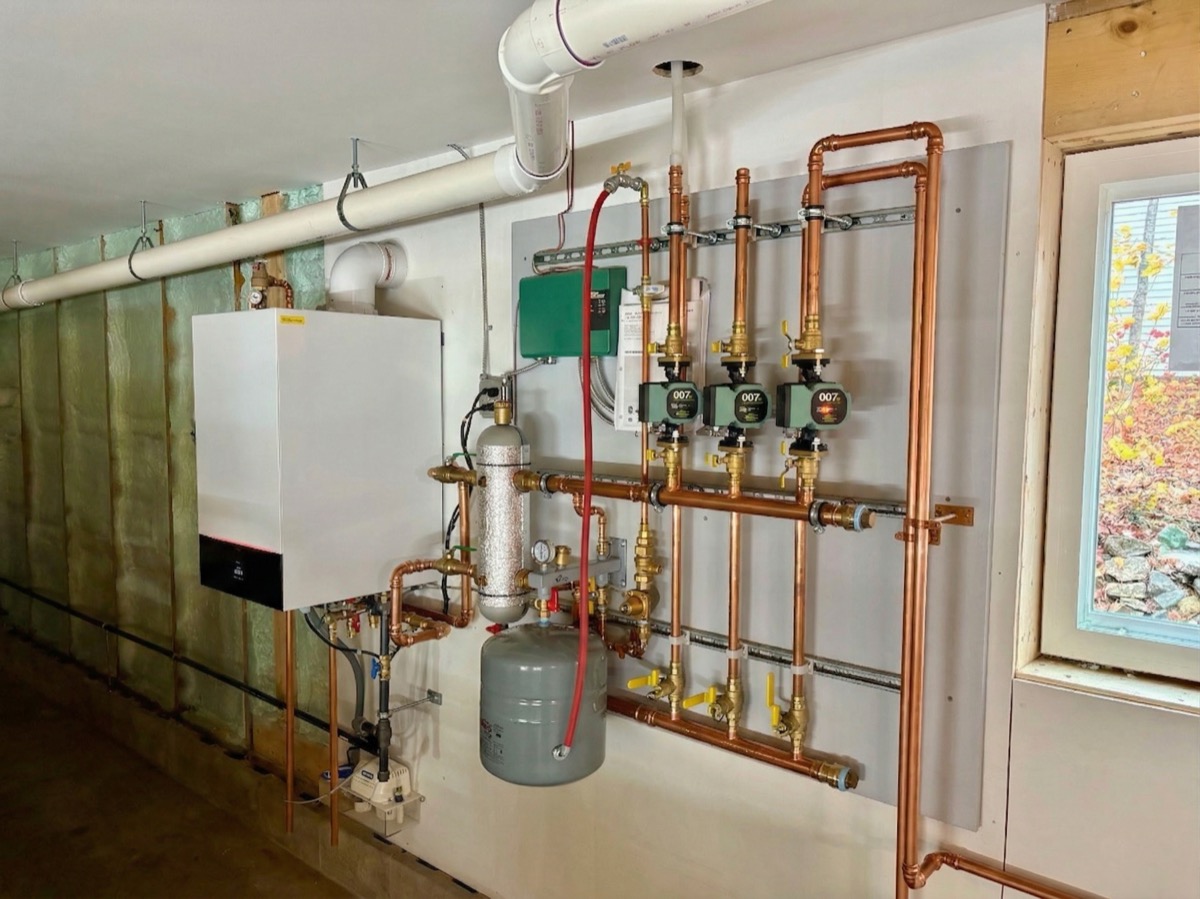
When we install high-efficiency boilers, they use sealed combustion venting. This eliminates the backdrafting risk entirely, which is one of several safety advantages over older atmospheric-vent equipment.
Schedule a free energy assessment and we will check your combustion appliances and venting as part of our walkthrough.
Warning Signs to Watch For
You cannot see, smell, or taste carbon monoxide. But there are visible signs that your combustion venting may not be working properly:
- Moisture or staining around the chimney or flue pipe. Condensation near the flue connection or at the chimney cleanout often indicates poor draft or backdrafting.
- Soot marks around the boiler or furnace. Black soot on or near the equipment, especially around the burner or draft hood, suggests incomplete combustion.
- A persistent chemical or exhaust smell near the heating equipment, especially when the system first fires.
- The pilot light or burner flame is yellow or orange instead of blue. A healthy gas flame is blue with a small yellow tip. A mostly yellow flame indicates incomplete combustion.
- Disconnected or corroded flue pipes. Check the pipe that runs from your boiler or water heater to the chimney. Rust, gaps, or separated joints are serious.
- Chronic headaches, nausea, or dizziness that improve when you leave the house. These are classic low-level CO exposure symptoms that are often mistaken for the flu.
If you notice any of these signs, open windows for fresh air and call a licensed HVAC technician.
CO Detectors: The Minimum
Maine law requires carbon monoxide detectors in all residential buildings with fuel-burning appliances. But the minimum legal requirement, one detector near the sleeping area, is just that: a minimum.
Best practices for CO detector placement:
- One on every floor of the home, including the basement
- Within 10 feet of every bedroom door
- Near (but not directly above) combustion appliances like the boiler, water heater, and gas range
- At breathing height (wall-mounted at 5 feet, or on a nightstand, not on the ceiling)
Replace CO detectors every 5 to 7 years (check the manufacturer's recommendation). The sensing element degrades over time and older units may not respond to dangerous levels.
Test your detectors monthly. Replace batteries annually, or invest in sealed-battery units that last the life of the detector.
What We Check During Energy Work
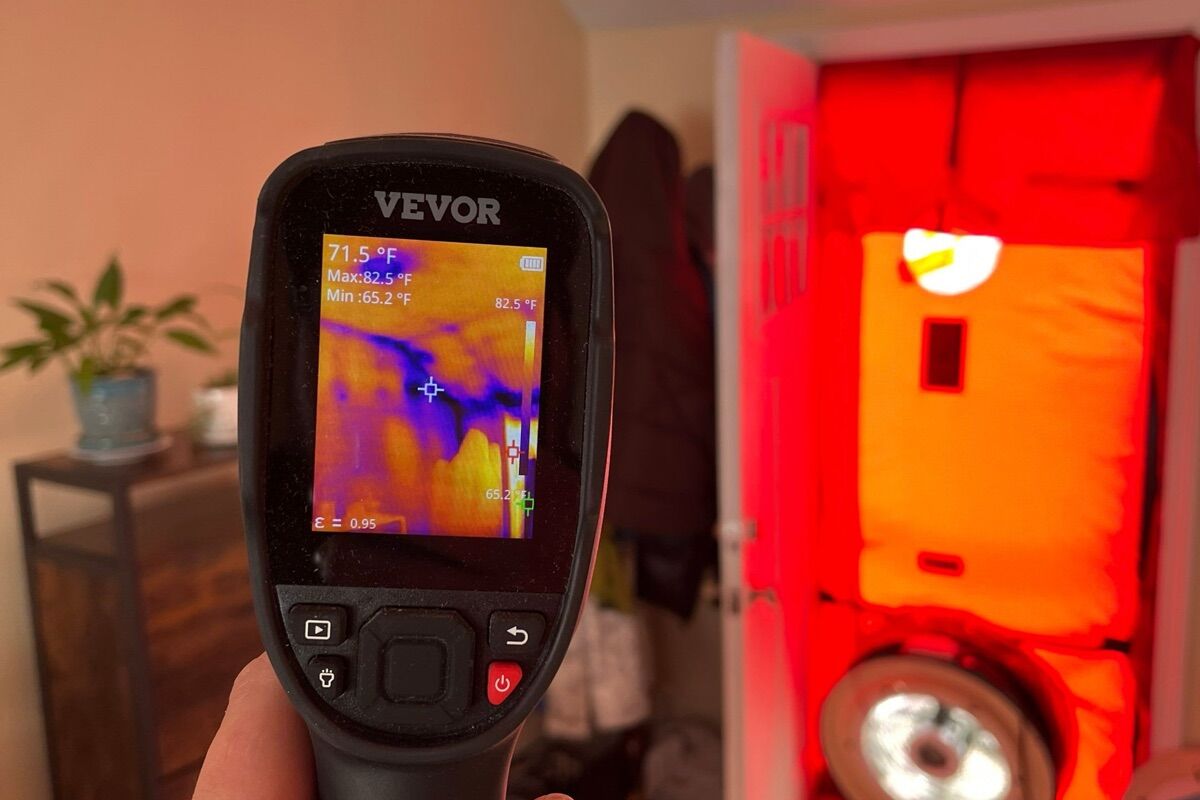
Combustion safety is part of how we approach every project. When we do air sealing work on a home with combustion appliances, we are changing the pressure dynamics of the house. Responsible contractors account for that.
Here is what we check:
Venting condition. We visually inspect flue pipes, chimney connections, and draft hoods for damage, corrosion, and proper slope.
Backdraft potential. We assess whether the home's exhaust fans, dryer, and air sealing work could create enough negative pressure to cause backdrafting.
Combustion air supply. Older naturally aspirated boilers and water heaters need adequate air supply for safe operation. If air sealing significantly tightens the building envelope, we evaluate whether the combustion equipment has sufficient air.
Recommendation for upgrade. In many cases, the safest long-term solution is replacing an old atmospheric-vent boiler with a sealed-combustion high-efficiency boiler or a cold-climate heat pump that eliminates combustion entirely. We will tell you when that is the case and why.
The Building Performance Association considers combustion safety testing a foundational part of any home performance project, and we agree. You cannot separate energy efficiency from occupant safety.
The Electrification Safety Advantage
One of the under-discussed benefits of switching from oil or gas to cold-climate heat pumps is that you eliminate combustion from your home entirely. No fuel burning means no carbon monoxide risk from heating. Combined with a heat pump water heater and an induction cooktop, a fully electrified home has zero combustion appliances and zero CO risk.
This does not mean every homeowner should electrify tomorrow. But for homeowners who are already planning a heating system replacement, the safety benefit of going electric is worth considering alongside the energy and cost calculations.
Protect Your Household
Carbon monoxide safety does not require expensive equipment or specialized knowledge. It requires working detectors, annual heating system maintenance, and awareness of the warning signs.
If your boiler or water heater is more than 15 years old, if your chimney has not been inspected recently, or if you are planning energy improvements that will tighten your home, it is worth having someone who understands both energy performance and combustion safety walk through your home.
Schedule your free energy assessment and we will include a combustion safety check as part of our walkthrough. Or call us at (207) 221-3221.
Find our guides faster: add Horizon Homes as a preferred source on Google.
Free Home Energy Assessment
Dealing With This in Your Home?
Most comfort problems trace back to insulation, air sealing, or heating system issues. A free walkthrough identifies the root cause.
- Free walkthrough, no equipment, no disruption
- Efficiency Maine rebates identified for you
- Written improvement plan with pricing
Schedule Your Free Assessment
We call within 1 business day.