Indoor Air Quality and Weatherization: The Connection
"If you seal up my house, where does the air come from?"
That is hands-down the most common concern we hear when discussing air sealing and insulation work. The worry makes intuitive sense: if you plug all the holes in a house, you must be trapping stale air, pollutants, and moisture inside. Right?
Wrong. But the reasoning behind the concern is worth unpacking, because the relationship between weatherization and indoor air quality is more nuanced - and more positive - than most people realize.
The Myth: "A Tight House Traps Bad Air"
This misconception has been floating around for decades. The basic argument goes like this: old houses breathe, and that natural breathing keeps the air fresh. Seal them up, and you create a stuffy, unhealthy box.
Here is the problem with that argument: old houses do not "breathe" in any controlled or beneficial way. What they do is leak. Air moves through gaps, cracks, and holes in a completely random pattern driven by wind, temperature differences, and the stack effect (warm air rising and escaping through the upper parts of the house, pulling cold air in at the bottom).
That leakage brings in:
- Unfiltered outdoor air - Including pollen, dust, vehicle exhaust, and whatever else is in the air outside your home
- Air from unconditioned spaces - Attic air (which may contain rodent droppings, insulation fibers, or mold spores) gets pulled down into living spaces through recessed lights and ceiling penetrations
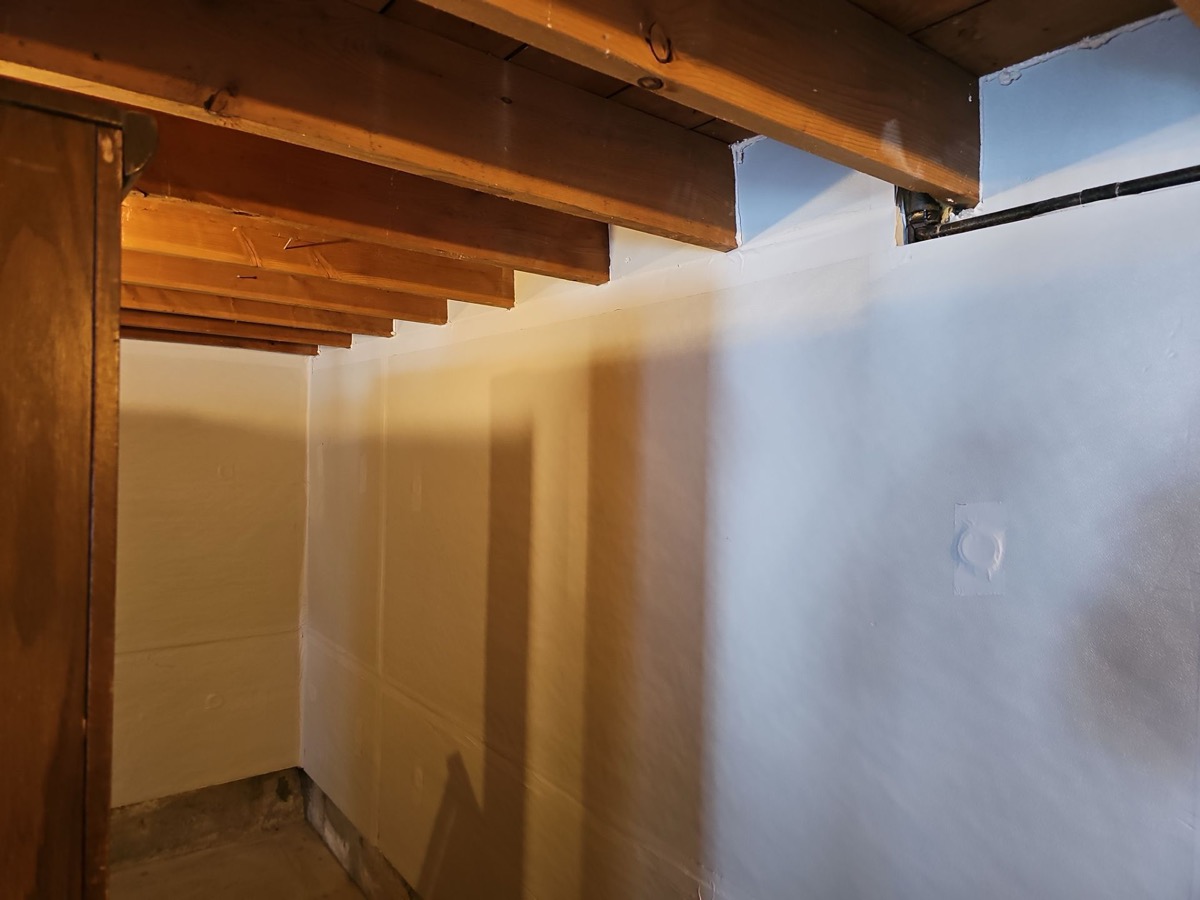
- Basement and crawlspace air - Damp, musty air from below the home rises into the living space through floor gaps and around pipe penetrations
- Wall cavity air - In homes without wall insulation, air moves freely through wall cavities, picking up dust, mold, and debris along the way
This is not "breathing." This is uncontrolled contamination passing through the dirtiest spaces in the building before reaching your living rooms.
What Actually Happens When You Weatherize
When we air seal and insulate a home, three things change that directly affect indoor air quality:
1. Contaminated Air Pathways Get Blocked
The biggest indoor air quality improvement from weatherization is not about fresh air at all - it is about stopping dirty air from reaching your living space.
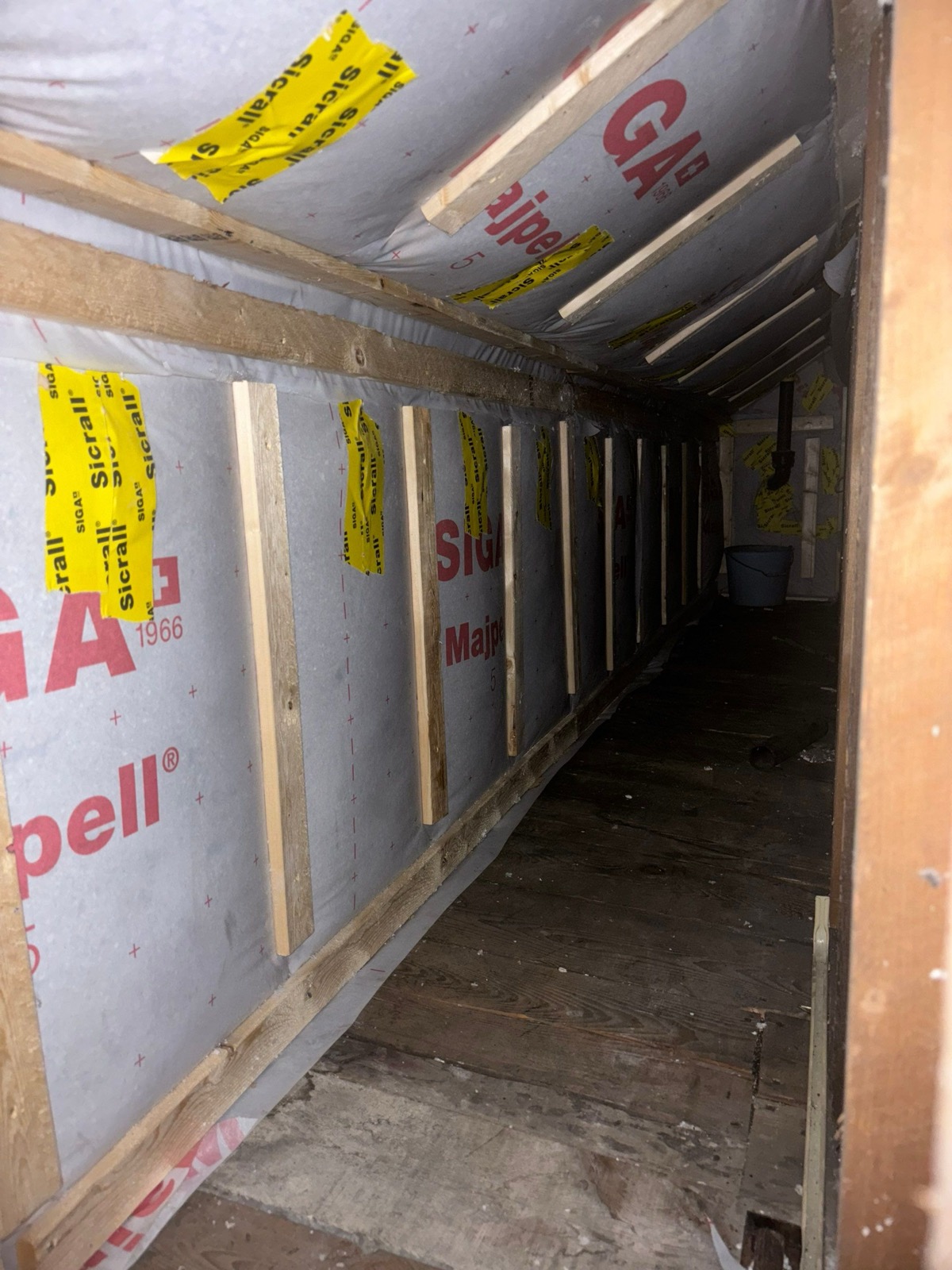
Sealing the attic floor prevents attic air (with its dust, insulation particles, and potential biological contaminants) from being pulled into your bedrooms and living room. Sealing basement penetrations stops damp, musty basement air from rising into the home. Closing wall cavities with dense-pack cellulose insulation eliminates the air channels that carry dust and allergens through the building structure.
For homeowners with allergies, asthma, or sensitivity to dust, this change alone can be noticeable within days of the work being completed.
2. Moisture Conditions Improve
Moisture is the number one driver of indoor air quality problems in Maine homes. Mold, mildew, dust mites, and wood decay all require moisture. And the biggest source of unwanted moisture in most homes is not leaky pipes - it is condensation caused by warm, humid indoor air meeting cold surfaces.
In an uninsulated home, the interior side of exterior walls can be cold enough in winter to cause condensation inside the wall cavity. That hidden moisture feeds mold growth that you may never see but can absolutely smell and breathe.
Proper insulation keeps wall surfaces warmer, which reduces condensation. Proper air sealing prevents warm, humid indoor air from reaching cold surfaces in the attic or wall cavities where it would otherwise condense.
The result is a drier building structure with fewer conditions that support biological growth.
3. You Gain Control Over Ventilation
This is the critical piece. A leaky house gives you no control over air exchange - the wind and stack effect determine how much outside air you get, varying wildly by the hour. A properly weatherized home gives you the ability to choose how much fresh air enters and where it comes from. This is where mechanical ventilation enters the picture.
Build Tight, Ventilate Right
This principle has guided building science for decades, and it is the framework we use at Horizon Homes for every weatherization project.
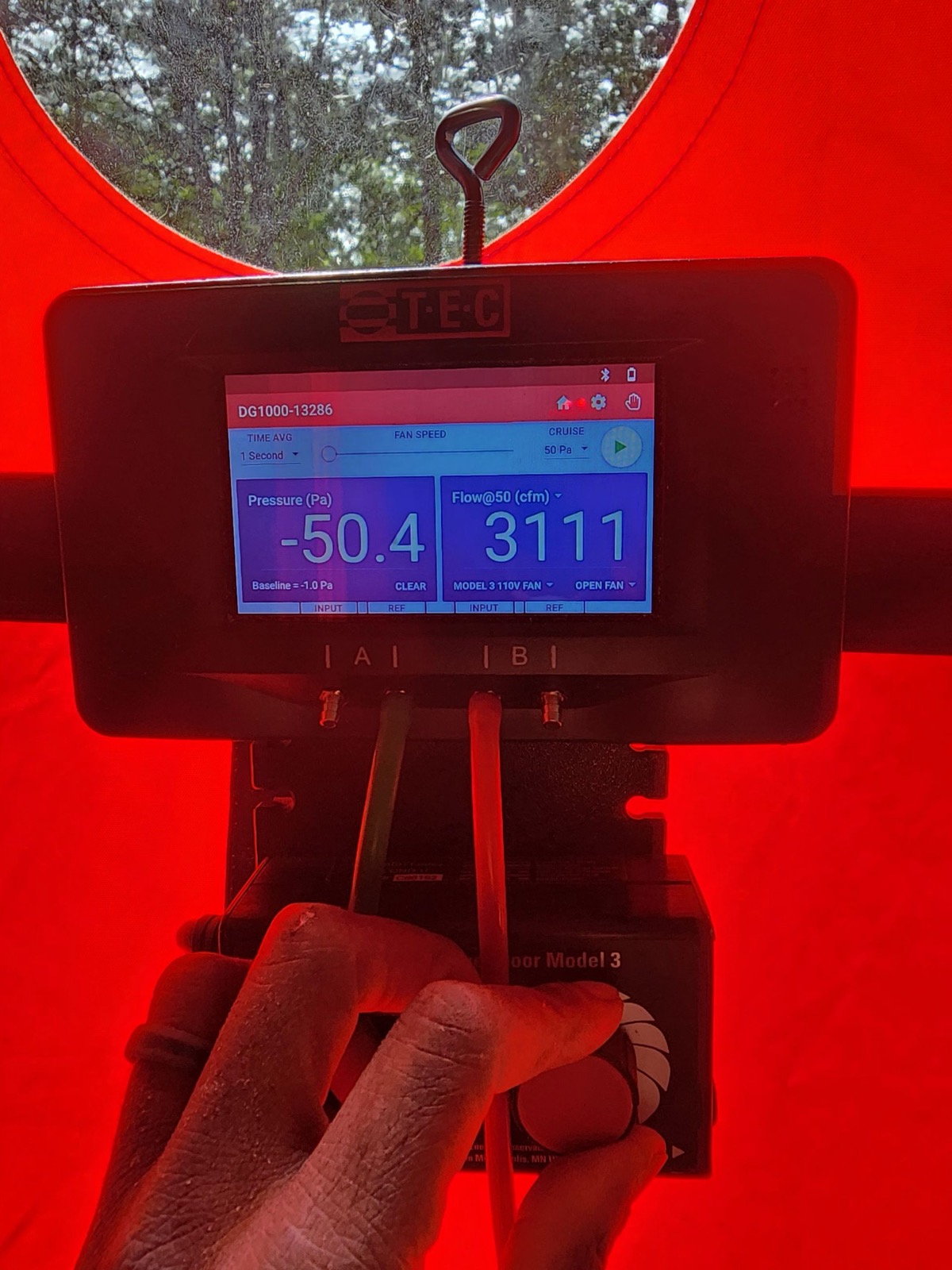
The idea is simple: seal the building envelope to stop uncontrolled air leakage, then install a mechanical ventilation system to provide the right amount of fresh air in a controlled, filtered way.
Controlled ventilation means:
- Fresh air enters through a dedicated intake with filtration that removes pollen, dust, and particulates
- Stale air exits through a dedicated exhaust - typically from bathrooms and kitchen areas where moisture and odors concentrate
- The airflow rate is set to match the home's size and occupancy - not left to chance
- Heat recovery is possible - Energy recovery ventilators (ERVs) and heat recovery ventilators (HRVs) transfer heat from the outgoing stale air to the incoming fresh air, so you get ventilation without throwing away the energy you have already paid to generate
The result is better air quality than the leaky version of your home ever provided, with a fraction of the energy cost.
Common Indoor Air Quality Concerns and How Weatherization Addresses Them
"My house smells musty"
This almost always traces to moisture - usually from a damp basement, crawlspace, or hidden condensation in wall cavities. Weatherization addresses the root cause by insulating cold surfaces (reducing condensation) and sealing the air pathways that carry musty air from below-grade spaces into your living areas.
"We get a lot of dust"
Excessive dust in a home often comes from air leaking through dirty spaces - attics, wall cavities, basements - and depositing particles as it passes through. Sealing those pathways reduces the dust load significantly. Adding filtered mechanical ventilation further reduces airborne particles.
"The upstairs always feels stuffy"
In a leaky home, the stack effect pulls air upward. Fresh air enters at the lower levels (through basement and first-floor leaks), and stale air accumulates on upper floors before eventually escaping through attic leaks. The upper floors often get the worst air quality because they are the last stop before the air exits the building.
Sealing the attic - the top of the stack - disrupts this pattern and allows proper ventilation to distribute fresh air evenly throughout the home.
"We worry about mold"
Mold needs three things: moisture, a food source (organic material like wood or drywall paper), and temperatures above freezing. You cannot eliminate the food source or the temperature in a lived-in home. But you can control moisture. Weatherization reduces the conditions that lead to mold growth by keeping building surfaces warm and dry.
If active mold is present before weatherization work begins, it should be addressed first. We identify visible mold issues during our free energy assessment walkthrough and recommend remediation before proceeding with insulation work.
"What about radon?"
Radon is a real concern in parts of Maine, and it deserves a direct answer. Air sealing your home does not create a radon problem - the radon is already present in the soil beneath the home. However, by changing the air pressure dynamics in the home, weatherization can occasionally alter how soil gases move.
Best practice is to test for radon before and after weatherization work. If radon levels are elevated, a sub-slab depressurization system (radon mitigation) is a straightforward fix that works independently of the weatherization improvements. We can coordinate radon testing and refer qualified mitigation contractors when needed.
"What about combustion appliances?"
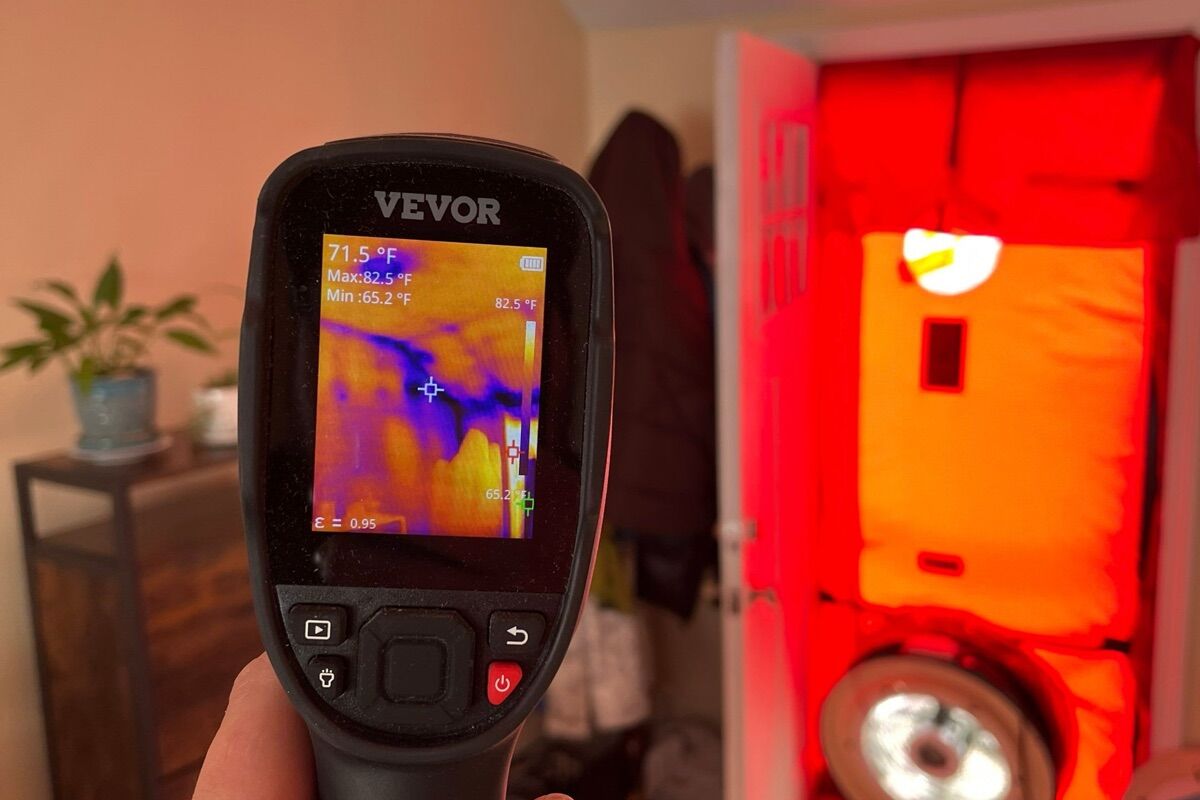
Homes with gas or oil furnaces, boilers, or water heaters need to maintain adequate air supply for combustion. This is called combustion safety, and it is something we take seriously on every project. Before and after air sealing, we test combustion appliances to make sure they are drafting properly and not backdrafting carbon monoxide into the home.
If air sealing work brings a home tight enough to affect combustion appliance performance, the solution is typically either a dedicated combustion air supply or upgrading to sealed-combustion equipment. We identify these situations during our assessment and factor them into the project plan.
The Evidence
Research consistently supports the connection between weatherization and improved indoor air quality. The U.S. Department of Energy's Weatherization Assistance Program evaluation found that weatherized homes showed reduced levels of airborne particulates and improved moisture conditions. Efficiency Maine's own program data shows that homes receiving comprehensive weatherization report fewer comfort complaints and moisture-related issues.
The key finding is consistent: weatherization improves indoor air quality when it includes proper ventilation. Sealing without ventilation can cause problems. Sealing with ventilation produces measurably better results than leaving the home leaky.
How We Handle This at Horizon Homes
Since 2006, we have weatherized hundreds of homes across Greater Portland and the surrounding area. For a plain explanation of the work itself, see our guide to weatherization services in Maine. Our approach to indoor air quality is built into every project:
- Assessment - During the free walkthrough, we note existing moisture issues, ventilation conditions, and combustion appliances
- Combustion safety testing - Before and after air sealing, every project
- Targeted air sealing - We seal the pathways that carry contaminated air from attics, basements, and wall cavities into living spaces
- Insulation for moisture control - Blown-in cellulose keeps building surfaces warm, reducing condensation risk
- Ventilation recommendations - For homes that are sealed to the point where mechanical ventilation is warranted, we discuss ERV and HRV options and can install them as part of the project
The goal is not just lower energy bills - though that is a significant benefit, with typical reductions of 20-40%. The goal is a home that is more comfortable, healthier, and less expensive to operate.
Next Steps
If indoor air quality is a concern in your home, or if you have been hesitant about weatherization because you worry about sealing the house "too tight," a conversation is a good place to start. We can walk through your home, identify the specific air quality factors at play, and explain how a weatherization plan would address them.
Schedule a free energy assessment or call us at (207) 221-3221. We will give you a straightforward picture of your home's current condition and a clear path to improving it - comfort, air quality, and energy costs together.
Find our guides faster: add Horizon Homes as a preferred source on Google.
Free Home Energy Assessment
Dealing With This in Your Home?
Most comfort problems trace back to insulation, air sealing, or heating system issues. A free walkthrough identifies the root cause.
- Free walkthrough, no equipment, no disruption
- Efficiency Maine rebates identified for you
- Written improvement plan with pricing
Schedule Your Free Assessment
We call within 1 business day.